

US Dept of Ag Grants & Loans 2026: Sustainable Funding for the Future
In 2026, the US Dept of Agriculture (USDA), alongside state departments of agriculture and the Department of Food and Agriculture (CDFA), remains the backbone of America’s rural economy, sustainable farming, and environmental stewardship.
With a robust array of department of agriculture grants, loans, and targeted programs, these institutions provide the essential financial tools driving cutting-edge practices, agroforestry advancements, and resilience across agricultural, forestry, and even mining sectors. Now more than ever, the United States requires forward-thinking solutions to nurture food security, enhance economic resilience, and support rural prosperity.
This comprehensive guide explores how USDA grants and loans in 2026 catalyze innovation towards sustainability, rural growth, and a balanced landscape where farming, forestry, and mining can all thrive in harmony.
“In 2025, USDA grants supported over 18,000 sustainable agriculture projects nationwide, boosting resilient food systems and rural prosperity.”
The Critical Role of the US Dept of Agriculture & State Departments in Sustainable Agriculture 2026
As we venture into 2026, the US Dept of Ag and state departments play a pivotal role in shaping the future of American agriculture. Their work ensures robust food systems, fosters innovative farming practices, and addresses local challenges in soil, water, and rural infrastructure. Together, federal and local agencies are not just supporting farmers and ranchers—they are cultivating a landscape where environmental stewardship and economic prosperity go hand in hand.
If you are a producer or entrepreneur in the rural, forestry, or mining sectors, the evolving landscape of grants and loans offers unparalleled opportunities for growth, resilience, and sustainability.
USDA Grants and Loans: Catalysts for Agricultural Innovation
At the heart of sustainable agriculture in 2026 lies the vast portfolio of USDA grants and department of agriculture loans. These tools are indispensable in uplifting farmers, ranchers, and rural entrepreneurs by promoting the adoption of eco-friendly practices, increasing productivity, and enhancing the competitiveness of both staple and specialty crops.
Let us delve into the core grant and loan programs driving these outcomes:
Leading USDA Grant Programs in 2026
- Sustainable Agriculture Research and Education (SARE) Grants: Funds research, education, and the adoption of sustainable farming techniques that conserve natural resources while increasing yields.

- Specialty Crop Block Grant Program: Directs funding toward initiatives that improve the competitiveness of specialty crops—vital for diversification and nutrition security.
- Environmental Quality Incentives Program (EQIP): Supports the implementation of conservation practices on working lands, focusing on soil health, water conservation, and pest management.
- Conservation Stewardship Program (CSP): Rewarding producers for ongoing environmental stewardship and adoption of advanced conservation strategies on working lands.
- Value-Added Producer Grants: Enable farmers to expand operations and market reach by supporting processing, packaging, and direct sales of their products.
- Rural Energy for America Program (REAP): Encourages renewable energy systems and energy efficiency improvements for agricultural operations and rural small businesses.
US Dept of Ag Loans for Sustainable Growth
- Farm Ownership Loans: Provide capital to purchase or expand farmland and facilities; critical for next-generation and underserved producers.
- Operating Loans: Enable purchases of equipment, seeds, livestock, and other inputs necessary to start or scale up sustainable farming.
- Microloans: Streamlined, smaller loans for beginning farmers and those with niche, specialty, or direct-to-market business strategies.
- Guaranteed Loans: Designed to help commercial lenders provide affordable credit to rural entrepreneurs and agricultural ventures.
These grants and loans aren’t merely providing financial support—they are propelling a wave of innovative, sustainable change that underpins America’s future food, mineral, and energy security.

Want to boost your environmental compliance, traceability, or carbon accounting for grant reporting? Discover Farmonaut’s carbon footprinting product—a powerful tool leveraging satellite data for easy, accurate sustainability reporting, supporting effective documentation for grant and loan applicants.
Comparative Grants & Loans Overview Table: USDA Sustainable Agriculture Funding 2026
| Program Name | Type | Purpose | Est. Funding 2026 | Eligibility Criteria | Application Period | Example Sustainable Outcomes |
|---|---|---|---|---|---|---|
| Environmental Quality Incentives Program (EQIP) | Grant/Cost-Share | Adoption of soil health & water conservation practices | $2.3 Billion | Producers, ranchers, forest landowners in the US | Jan-Mar 2026 | Reduces erosion, improves soil & water, increases biodiversity |
| SAR&E Sustainable Agriculture Research and Education Grants | Grant | Research, education, demonstration of sustainable practices | $320 Million | Researchers, universities, farmer groups, NGOs | Oct-Dec 2025 | New farming techniques, workshops, education outreach |
| Specialty Crop Block Grant Program | Grant | Enhance specialty crop competitiveness & diversification | $95 Million | State departments, non-profits, producer organizations | Feb-Apr 2026 | Marketing, pest management, supply chain projects |
| Value-Added Producer Grants | Grant | Expand processing/marketing of farm products | $70 Million | Producers, cooperatives, farmer-owned businesses | Mar-May 2026 | Organic processing, on-farm packaging/branding |
| Rural Energy for America Program (REAP) | Grant/Loan | Renewable energy & energy efficiency on farms | $650 Million | Rural businesses, ag producers | May-July 2026 | Solar, wind, bioenergy systems; energy upgrades |
| Farm Ownership Loan | Loan | Purchase or expand farmland; transition to sustainable ops | $3.2 Billion | Beginning, underserved, and family farmers | Rolling | Land for organic, climate-resilient agriculture |
| Farm Operating Loan | Loan | Capital for equipment, seeds, livestock, or transition | $4.5 Billion | Farmers & ranchers (including small/underserved) | Rolling | Scaling up sustainable/innovative techniques |
| Microloan Program | Loan | Smaller loans for new, niche, or value-added ops | $850 Million | Beginning, direct-market, specialty crop producers | Rolling | Start eco-friendly farm, greenhouse, or local food project |
For more details, access the official USDA Programs & Services page.
State Departments of Agriculture: Bridging Federal Resources to Local Needs in 2026
While the US Dept of Agriculture sets national priorities for grants and loans, each state department of agriculture tailors these resources to address regional challenges and opportunities. This bridging role is especially vital in states like California, Texas, and Iowa, where geography, crops, and risks differ vastly.
California’s Department of Food and Agriculture (CDFA), for instance, administers drought mitigation and wildfire recovery grants—integral for both agricultural and forestry landscapes. Similar targeted investments are echoed in state programs focusing on:
- Water and soil conservation
- Pest management strategies for unique climates
- Restoration and resilience for post-disaster landscapes
- Value-added infrastructure projects—on-farm processing and packaging facilities
- Broadband and rural transportation enhancements
These grants deliver tangible support for producers, not only for core farming but for forestry, rural community development, and often innovative sectors such as controlled environment agriculture (CEA) and agroforestry.

Looking to optimize large and diverse operations? Our Large-Scale Farm Management tool brings satellite monitoring, fleet oversight, and AI-advisory into a single dashboard to maximize productivity, enhance documentation for grant reporting, and support seamless scaling of operations in 2026 and beyond.
Supporting Sustainable Mining and Mineral Extraction in Agricultural Landscapes
The intersection of agriculture and responsible mineral extraction is one of the most exciting frontiers supported by current department of agriculture grants and infrastructure development programs. As demand for minerals, metals, and gemstones critical to green technologies rises, land-sharing approaches—where mining and farming coexist—are gaining new support in grant and loan frameworks.

How do grants support sustainable mining within agricultural regions?
- Funding for restoration of post-extraction soils to promote return-to-farming and biodiversity
- Upgrades to rural roads and utility infrastructure—benefiting both farmers and mining operations
- Resources for mineral and gemstone producers to implement best water conservation and pollution prevention practices
- Education programs for landowners to harmoniously manage both agri and mineral resources
The synergy is clear: co-locating mining and agricultural operations in a sustainable, well-managed landscape provides multiple revenue streams, reducing economic risk for rural areas and helping retain young talent alongside essential environmental stewardship.

Farmonaut provides environmental monitoring, resource management, and project traceability solutions for both agricultural and mining clients. Want to learn more about blockchain-powered traceability and its potential for compliance and premium market access? Visit our Traceability solution page.
Technology Integration: Elevating Sustainable Practices with Satellite & AI Tools
Modern sustainability in agriculture and mining is data-driven. In 2026, technological innovation is a backbone of grant-winning projects—and departments encourage applicants to integrate precision monitoring, AI-driven decision support, traceability, and real-time environmental reporting into their operations.
- Satellite data is used to track crop growth, soil conditions, carbon sequestration, and even mineral extraction impacts on rural landscapes.
- AI-based advisory systems help farmers and ranchers make smarter choices about inputs, irrigation, and harvest timing—reducing waste and increasing productivity.
- Blockchain-based traceability solutions enhance both compliance (for loans, insurance) and open up higher-value markets favoring proof of sustainable origins for food and minerals.
- Resource and fleet management tools improve efficiencies across vast agricultural and mining projects, directly reducing emissions and costs.

Interested in advanced resource and fleet management? Explore how satellite-based, AI-enhanced oversight can streamline fleet efficiency, logistics, and reduce operational costs for rural businesses, visit our Fleet Management page.
“Department of Agriculture loans financed $34 billion+ in eco-friendly farming initiatives by 2026, promoting widespread environmental stewardship across rural America.”
Enhanced Coordination and Inclusive Access: The 2026 Approach
As funding demands grow, 2026 is marking a new era of streamlined, inclusive access for grants and loans. The US Dept of Agriculture and state departments are:
- Improving transparency and user-friendliness for application portals
- Prioritizing underserved applicants, including new, small, minority, and tribal producers
- Aligning funding criteria with climate-smart agriculture, agroforestry, and mineral extraction that enhances the ecosystem
- Encouraging integration of cutting-edge tech—such as satellite, AI, and blockchain tools—into project plans
- Strengthening interagency coordination, reducing overlap, and speeding up reviews/disbursements

If you’re applying for a grant or loan in the agricultural, forestry, or mining sectors in 2026, leverage digital platforms and ensure you have strong sustainability metrics. Consider using Farmonaut’s affordable satellite-driven monitoring and verification tools for crop loan & insurance applications to simplify paperwork and improve access to financing.
Satellite Technology, Data & Sustainability: The Farmonaut Advantage for 2026 and Beyond
Farmonaut is committed to making premium satellite, AI, and blockchain capabilities accessible for everyone—from farmers managing a few acres to large agricultural, infrastructure, and mining operations across the globe.
- Our real-time satellite monitoring supports resource management and operational efficiency—essential for areas validated by state and federal grants.
- AI-based advisory systems like Jeevn AI (see below) boost productivity, reduce input costs, and help meet strict environmental stewardship criteria required by funding programs.
- Through blockchain, we offer traceability solutions—from farm to consumer, or mine to market—supporting compliance, trust, and better loan/insurance outcomes.
- Fleet resource management reduces costs, emissions, and improves safety—aided by data-driven decision support tools.
- Our environmental impact monitoring, such as for carbon footprinting, aligns with grant needs for measurable climate-smart outcomes.
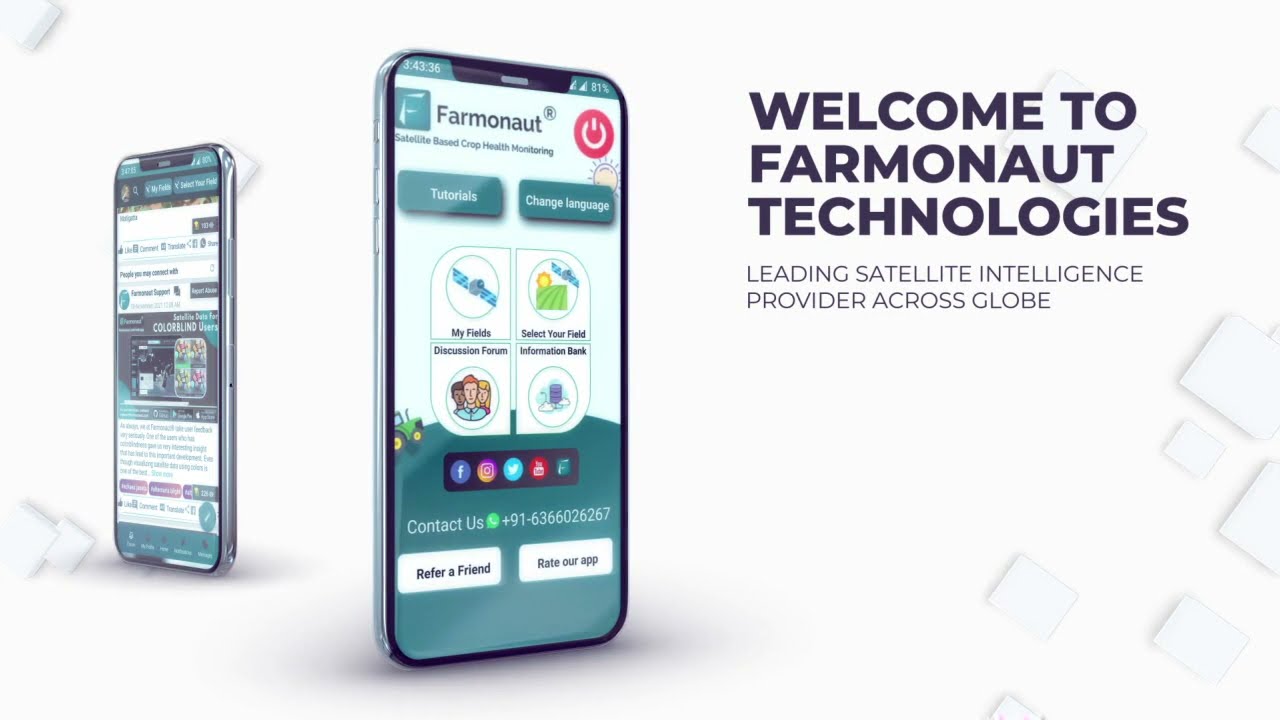
Get started with Farmonaut:



APIs for Developers & Partners: Integrate satellite, weather, and sustainability data via our Farmonaut API or Developer Documentation.
Want to boost your forest plantation or get real-time advisories for agroforestry operations? Check out our Crop, Plantation & Forest Advisory solutions—perfect for staying competitive on grants prioritizing forestry and ecosystem services.
Frequently Asked Questions: US Dept of Ag Grants & Loans 2026
-
Q: Who is eligible for USDA grants and loans in 2026?
A: Eligibility varies by program but generally includes farmers, ranchers, forestry operators, mineral/gemstone producers, researchers, and value-added food entrepreneurs. Special priority is given to beginning, small, minority, women, and tribal producers. -
Q: What types of sustainable practices are prioritized in grant/loan evaluations?
A: Soil health restoration, water conservation, agroforestry, pest/environmental management, renewable energy, and traceability/impact measurement technologies are frequently prioritized. -
Q: How can technology integrations improve my application?
A: Leveraging satellite data, AI, or traceability platforms to monitor progress, measure impacts, or demonstrate resource stewardship will usually enhance both your sustainability scores and your documentation for funds received. -
Q: When can I apply for USDA grants and loans for 2026?
A: Most major programs open between late 2025 and mid-2026—see our comparative table above for typical windows, but always check the USDA’s website for current calls. -
Q: Can I use Farmonaut’s services for my operations if I am not in the US?
A: Yes. Farmonaut’s platform and mobile apps support agricultural, mining, and forestry clients globally, providing access to satellite-driven insights for grant documentation and sustainability reporting in multiple jurisdictions. -
Q: What documentation is needed for loan verification?
A: Applicants should submit business plans, operational/production data, sustainability reporting, and any project/budget documentation. Farmonaut’s loan and insurance verification services help streamline the data-gathering and reporting process.
Conclusion: Investing in Sustainability, Innovation, and Rural Prosperity
USDA and state department grants and loans are more than just financial instruments—they are the cornerstones of America’s sustainable future. Through targeted support for soil health, water conservation, innovative technologies, and the integration of agriculture, forestry, and mineral/gemstone sectors, these programs underpin food security, economic resilience, and environmental stewardship.
As climate challenges intensify and technology advances, success in 2026 and beyond will go to those who embrace innovation, sustainability, and data-driven management. Whether you are a new farmer revitalizing a family plot, a large operation seeking diversification, or a rural entrepreneur exploring value-added or mineral ventures, the opportunities unlocked by USDA grants and loans are truly transformative.
Farmonaut remains dedicated to empowering you with affordable, accessible satellite-driven technology—providing the tools to compete for funding, optimize your projects, and lead in a sustainable, resilient rural America.
Ready to make sustainable agriculture your foundation for success in 2026?
Further Reading: Carbon Footprinting | Large-Scale Farm Management | Fleet Management | Product Traceability

 Grow Indigo
 FFBS
FFBS Jontra
 Kalustyan
 Tucor
Tucor Geno
Geno Hayleys Agriculture
 Linx Agritech
 Adinet
 Save Your Soils
 Grandstream Algérie
 XOS Realty
 Geospatial Lab Africa
 Agro La Gándara
 HIPSAC
 ZOL Zimbabwe
 Juligerm
