

Utah Department of Agriculture and Food: Boost Utah Farmland Through Sustainable Stewardship
“Utah farmers using sustainable practices have improved soil health by up to 30% over the past decade.”
Introduction: Utah Department of Agriculture and Food’s Pivotal Role
The Utah Department of Agriculture and Food (UDAF) functions as the primary steward for safeguarding, optimizing, and enhancing the Utah farmland that underpins the state’s heritage, economy, and food security. Operating within a region characterized by unique hydrological, climatic, and ecological constraints, the UDAF is renowned for its strong policy framework, technical assistance, research extension, and regulatory oversight—all of which are tailored to the diverse landscapes spanning valley orchards to extensive high-desert rangelands. The central mission is to balance soil health, crop productivity, and the long-term welfare of agricultural communities through supporting, implementing, and advocating for sustainable practices.
In this comprehensive guide, we’ll examine how sustainable agriculture, advanced soil and water management, regulatory programs, and cross-regional influences converge in Utah. We’ll also explore how advanced satellite-based technologies, like those offered by Farmonaut, can play a revolutionary role in supporting crop health monitoring, soil management, water efficiency, and environmental stewardship.
Context: Stewardship and Sustainable Agriculture in Utah Farmland
The context of Utah’s farmland is shaped by the intricate interplay between natural resource constraints, economic viability, and the necessity for environmental stewardship. The UDAF actively facilitates the adoption of sustainable agricultural practices, soil health improvements, and water management strategies critical to boosting yields and preserving future productivity. Utah’s farming sector thrives through innovation, policy guidance, and ongoing technical support—enabling adaptation to challenges such as drought, soil degradation, shifting climatic patterns, and variable market demands.
- Stewardship: UDAF’s stewardship ensures that agricultural lands are managed to sustain both food production and environmental integrity.
- Sustainability: Core focus on soil health, biodiversity, and water-use efficiency for long-term resilience.
- Community Impact: Strengthening rural communities through outreach, innovation, and equitable resource access.
- Cross-Regional Influence: Learning from policies and approaches applied in Department of Agriculture Region 6, Australia, and Department of Agriculture Caraga—adapting global insights to Utah’s unique ecological conditions.
Core Mission: Safeguarding Soil, Water, Food, and Farm Communities
The core mission of the Utah Department of Agriculture and Food centers on ensuring safe, nutritious food, promoting sustainable agricultural practices, and supporting the economic viability of farms spread across Utah’s diverse landscapes. The UDAF operates as a pivotal steward of both policy and practical implementation, affecting not only farmers and producers but also shaping the broader agricultural ecosystem, including foresters and local communities. Through carefully crafted regulatory oversight, policy intervention, extension outreach, and collaborative planning, UDAF aligns its objectives to foster:
- Robust food safety standards supporting market access and consumer trust
- Integrated land management sustaining long-term soil fertility and crop yields
- Innovative water conservation and irrigation practices
- Community welfare through economic empowerment, policy advocacy, and education
- Continuous adaptation to environmental changes and emerging threats, such as drought and pest outbreaks
Soil Health and Sustainable Practices in Utah Farmland
Healthy soil is the lifeblood of agricultural productivity. The Utah Department of Agriculture and Food carefully designs and encourages sustainable soil management practices to maintain both immediate crop yields and long-term productive capacity. Key sustainable practices optimized for Utah’s conditions include:
Soil Health Stewards: Core Techniques
- Crop rotation—Enhances soil nutrient cycling, breaks pest and disease cycles, and supports yield stability
- Cover cropping—Restores organic matter, prevents erosion, and improves soil microbial health
- Reduced tillage and conservation tillage—Preserves soil structure, retains moisture, and limits disturbance to soil biota
- Precision fertilizer management—Applies nutrients only where needed, reducing runoff and improving resource efficiency
- Integrated pest management (IPM)—Incorporates biological controls and monitoring to minimize pesticide reliance

- ✔ Key benefit: Improved soil structure and water retention means greater yield resilience during drought.
- 📊 Data insight: Adoption of cover cropping in Utah has resulted in measurable organic matter increases in the topsoil layers.
- ⚠ Risk or limitation: Over-reliance on a single crop or tillage practice can degrade soil and increase pest susceptibility.
Soil assessments, agronomic testing, and tailored management plans—offered by UDAF—guide growers in selecting appropriate cultivars, applying fertilizer efficiently, and optimizing rotations for sustainability.
“Efficient water management in Utah agriculture has reduced water usage by nearly 20% while maintaining crop yields.”
Technical Support, Extension Services, and Soil Testing: Optimizing Agricultural Productivity
The Utah Department of Agriculture and Food (UDAF) provides a robust infrastructure of technical assistance, on-site consultations, research-backed guidelines, and laboratory testing offerings tailored to needs of farmers, ranchers, and foresters statewide. These programs and services extend from daily farm management queries to long-term soil and crop health analysis.
- Soil Health Assessments: UDAF testing services evaluate organic matter, micronutrient deficiencies, structure, and microbial activity.
- Fertilizer Management Plans: Field-specific nutrient recommendations designed to maximize efficiency and minimize environmental impact.
- Integrated Pest Management (IPM) Guidance: Regular scouting, pest identification, and targeted intervention reduce chemical inputs and resistance development.
- Cultivar Selection Advisory: Tailored advice on choosing crop varieties for specific locations, microclimates, and market goals.
- Precision Agriculture Support: Digital tools, maps, and analytics improve resource use and decision-making.
- Yield Optimization: Maximizing productivity by matching crop, soil, and water variables.
- Erosion and Conservation Planning: Recommendations to minimize topsoil loss and sustain farm landscapes.
- Water Management Technology: Scheduling and sensor support for aligning irrigation with crop needs.
- Extension Workshops and Webinars: Community education on new agricultural technologies and sustainable strategies.
- Guidance for New and Small Farms: Outreach programs demystify compliance, soil health, and recordkeeping for first-time producers.

Top Benefits of Extension and Testing Services:
- 📈 Evidence-based recommendations for efficient resource use
- 🔬 Science-driven pest and soil management controlling costs and maximizing ROI
- 💡 Innovation diffusion to keep farmers competitive
- 🌳 Environmental protection supporting natural resource integrity
- 🎯 Personalized farm planning for every operation size
Water Management in Arid Utah: Best Practices and Innovations
Water is central to successful agricultural production in Utah, a state characterized by arid-to-semiarid climates and unique hydrological constraints. The UDAF’s water management efforts focus on optimizing irrigation, minimizing waste, and empowering farmers and irrigation districts to weather unpredictable drought.
Core Water Management Strategies:
- 💧 Efficient Irrigation Scheduling: Applying water only when crop moisture sensors indicate necessity.
- 📉 Soil Moisture Monitoring: Deploying real-time monitoring systems to reduce water waste and stress.
- 🌾 Crop Selection: Choosing cultivars and species adapted to arid soil and water conditions.
- 🔄 Drought Preparedness: Capacity-building for risk management and rapid response.
- 🏞️ Watershed Conservation: Joint planning with conservation agencies and local governments to protect common water resources.
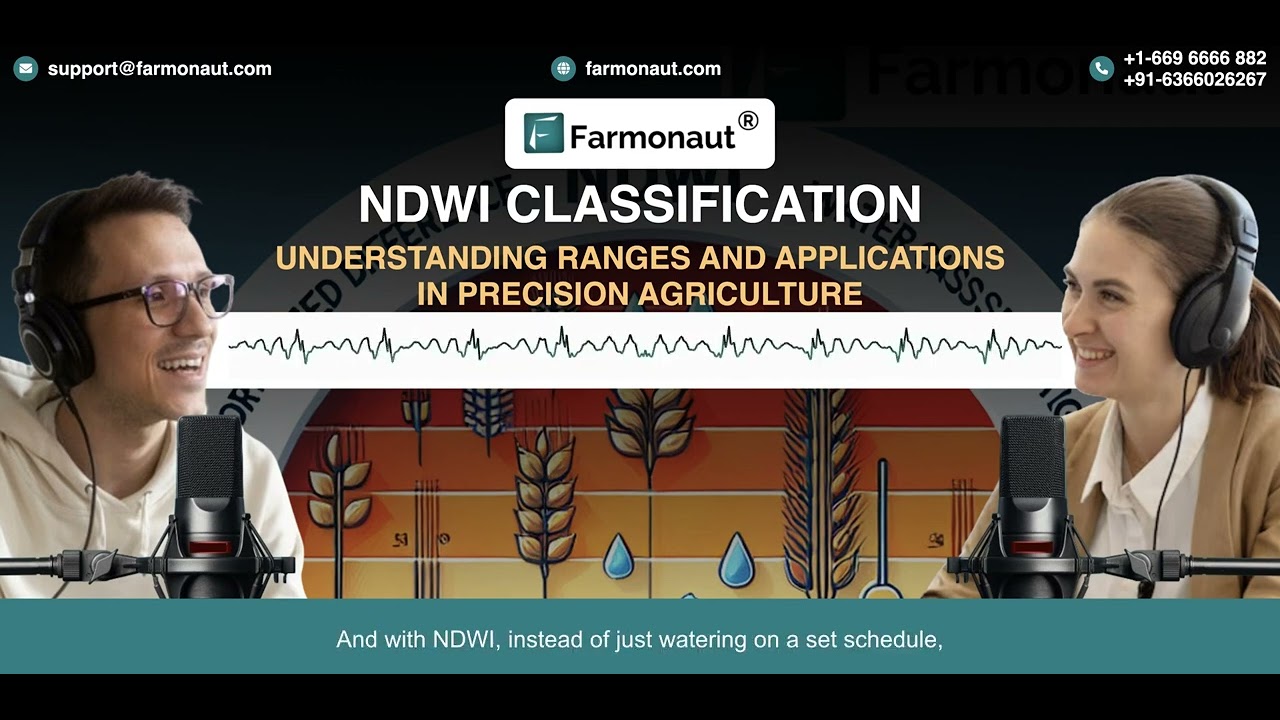
The department also works hand-in-hand with irrigation districts, water user associations, and watershed councils to implement best irrigation practices and advocate for water conservation incentives. This collaborative approach ensures that Utah’s agricultural sector sustains yields while preserving critical local water sources.
Sustainable Forestry and Rangeland Stewardship: Extending the Impact
Utah’s forestry and rangelands are integral to watershed health, erosion prevention, and agricultural biodiversity. The UDAF leads the way in guiding landowners and foresters towards sustainable woodlot management, rangeland improvement, and integrated conservation practices—all of which ultimately benefit farmland, grazing productivity, and community resilience.
- Monitoring forest health: Early detection of pest and disease outbreaks, invasive species, and wildfire threats.
- Reforestation initiatives: Planting diverse species for soil stabilization, carbon sequestration, and improved watershed quality.
- Sustainable grazing and range management: Rotational grazing, exclusion fencing, and soil enrichment to prevent overgrazing and desertification.

Regulatory Oversight: Food Safety, Animal Health, and Farm Welfare
The regulatory oversight by Utah Department of Agriculture and Food is the backbone of consumer safety, farm productivity, and trading standards within the state. The department enforces comprehensive food safety standards—from farm gate to market—to protect both producers and consumers, while supporting equitable and sustainable industry growth.
- Produce quality assurance: Licensing, field inspections, and product sampling to uphold market access.
- Animal health monitoring: Extension of disease control programs, biosecurity checks, and livestock traceability.
- Farm certification: Programs to verify sustainable practices, organic production, and pesticide residue management.
- Compliance support: Navigating regulatory requirements and maintaining food safety documentation.
This regulatory framework also extends to protecting intellectual property, labeling accuracy, and ensuring food production traceability—all crucial for promoting trust across the supply chain.
Education, Extension Programs, and Outreach Initiatives: Building Community Capacity
Continuous learning is a critical element of Utah’s agricultural success. The Utah Department of Agriculture and Food (UDAF) sponsors a range of extension services—including workshops, field days, digital resources, and advisory programs—to empower all stakeholders in adopting modern, scalable, and sustainable practices.
- 👨🌾 On-farm workshops guiding proper implementation of new technologies
- 🌱 Soil health and irrigation field demonstrations for hands-on learning
- 📚 Online resources and publications for continual access to best practices
- 🤝 Producer networks connecting growers, researchers, and input suppliers
- 📈 Farm business planning sessions covering enterprise budgeting and risk management
- 🔗 Collaboration with conservation agencies on rangeland, watershed, and biodiversity initiatives
Key Focus Areas in Extension Outreach
- ✅ Maximizing yield while protecting soil
- ✅ Water resource conservation, especially under drought
- ✅ Pest and disease management using IPM
- ✅ Profitability through resource efficiency
- ✅ Adaptation to local regulations and sustainability plans

By translating research into practical guidelines, the department increases both the productivity and profitability of Utah’s farms—fostering a strong, interconnected agricultural community.
Regional Influence: Cross-Regional Insights from Department of Agriculture Region 6, Australia, and Caraga
Although the Utah Department of Agriculture and Food is focused primarily on the state, it draws on the broader policy and stewardship frameworks that connect agricultural leadership worldwide. Notable regional departments such as Department of Agriculture Region 6, Agriculture Department Australia, and Department of Agriculture Caraga provide valuable reference points for sustainable policy-making—especially in areas such as:
- Adapting drought-proofing strategies for arid lands
- Water rights management and irrigation efficiency
- Soil conservation within extensive grazing and cropping landscapes
- Implementation of adaptive, site-specific IPM programs
Utah’s strategic advantage is its commitment to local adaptability—ensuring that global best practices are customized to Utah’s microclimates, water rights context, and land tenure patterns. This results in a dynamic, regionally relevant, and forward-looking stewardship framework.
Comparative Table: Sustainable Agriculture Techniques & Estimated Benefits for Utah Farmland
Below is a summary table that highlights common sustainable practices supported by the Utah Department of Agriculture and Food, with estimated benefits relating to crop yields, water savings, soil health, and overall environmental impact. These strategies exemplify the core mission to maximize productivity while promoting environmental stewardship.
| Practice | Description | Estimated Yield Increase (%) | Estimated Water Savings (%) | Estimated Soil Health Improvement | Environmental Impact |
|---|---|---|---|---|---|
| Crop Rotation | Alternating crops yearly to break pest/disease cycles and enrich soil nutrients | 7–15% | 3–6% | High | Improves biodiversity, reduces input reliance |
| Cover Cropping | Planting non-cash crops (e.g., legumes) between main crops to boost organic matter | 3–10% | 2–5% | Very High | Excellent erosion control, enhances soil life |
| Drip Irrigation | Slow water delivery at root zone; minimizes evaporation and runoff | 10–25% | 25–50% | Moderate | Substantial water saving, reduces salinization |
| Conservation Tillage | Limiting soil disturbance to preserve structure, moisture, and organic matter | 5–12% | 8–18% | High | Reduced erosion, improved habitat for soil organisms |
| Integrated Pest Management (IPM) | Combines scouting, biological controls, and minimal chemical input | 5–10% | 1–3% | Moderate | Minimizes chemical exposure, protects pollinators |
Farmonaut: Satellite Technology Powering Agricultural Stewardship in Utah
Recognizing the need for smart, data-driven stewardship across Utah’s farmland, we at Farmonaut provide advanced satellite-based solutions specifically designed for agriculture, resource, and soil management. Our mission is to make affordable, real-time insights accessible to every grower, business, and policymaker—enabling innovation at every scale.
- 🌍 Satellite Monitoring: Monitor crop health, soil conditions, and moisture variability using high-resolution multispectral imagery.
- 🧠 AI and Machine Learning: Our Jeevn AI Advisory System delivers weather forecasts and tailored crop management insights.
- ⛓️ Blockchain-based Traceability: Secure and transparent product tracking from farm to market (Learn more about our Traceability tools).
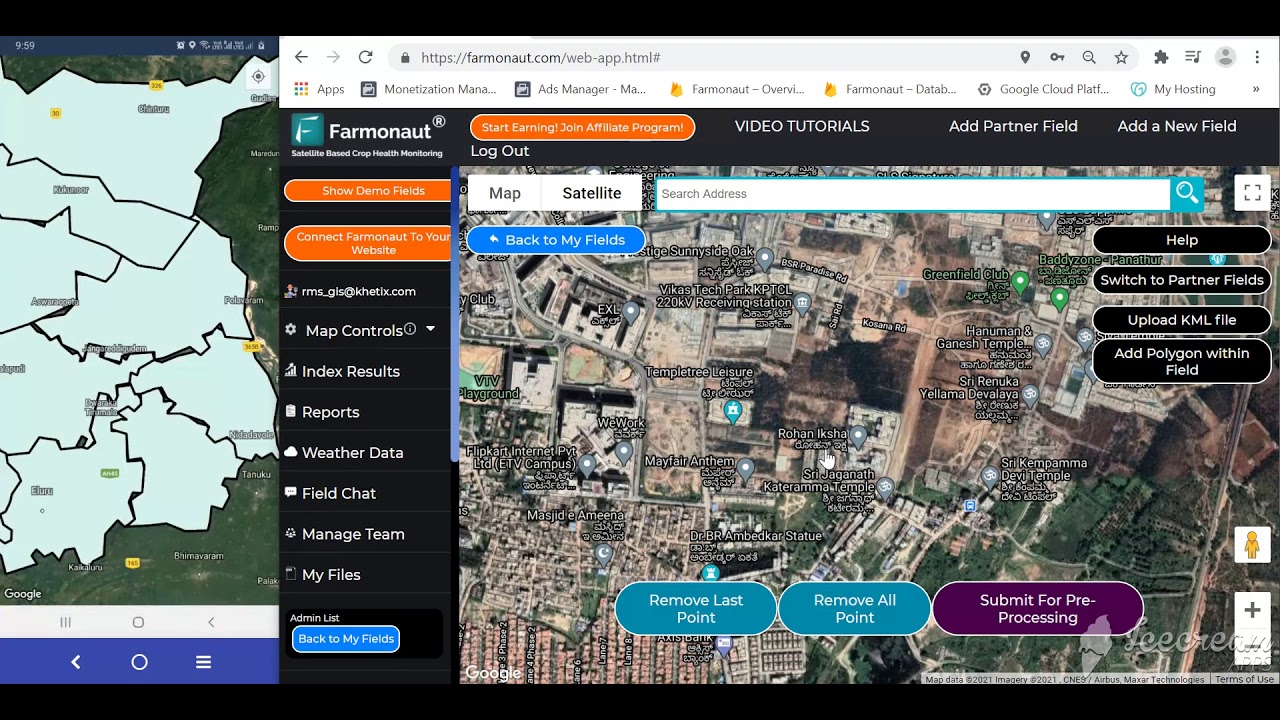
- 👨🌾 Resource Management App: Access our tools via Android, iOS, and web to remotely monitor and optimize every aspect of farm management (Large Scale Farm Management).
- 📊 Environmental Impact Tracking: Get live carbon footprint analytics; support your sustainability reporting and compliance (Explore Carbon Footprinting).



Our suite is accessible by API for seamless integration into other regulatory, business, or farm management systems:
See Farmonaut API |
API Developer Docs
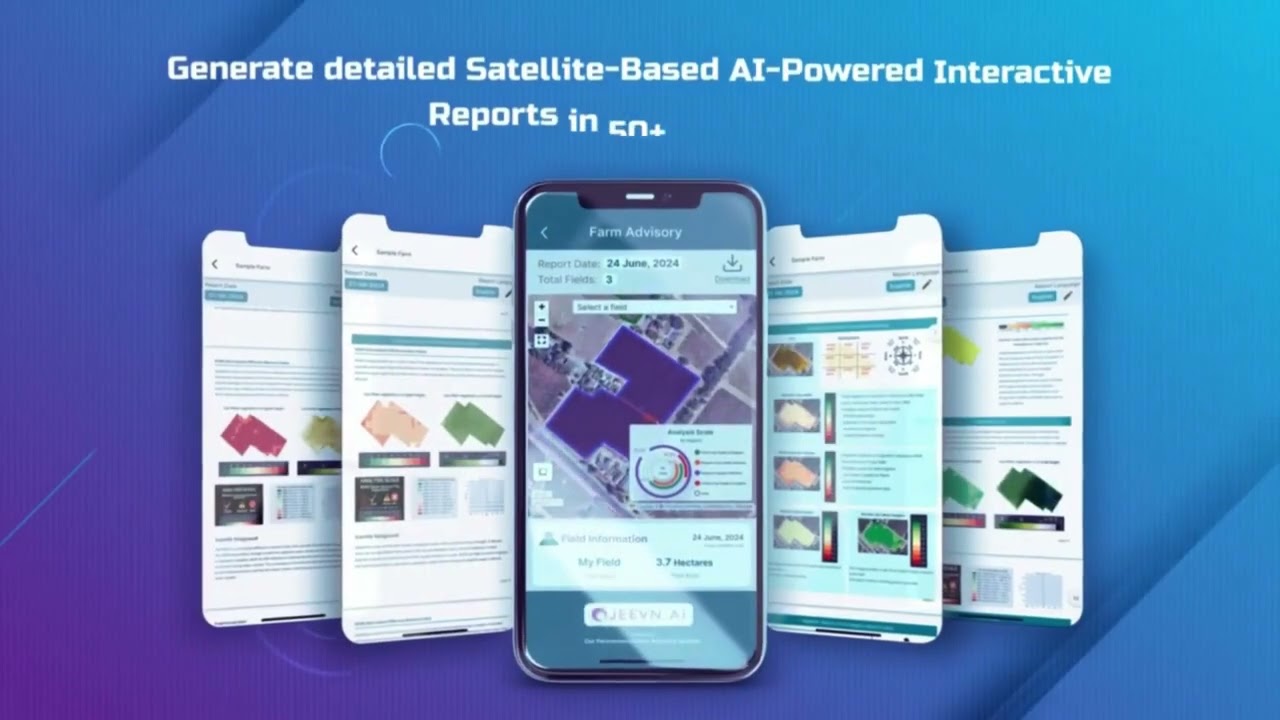
For individual farmers and local producers, Farmonaut’s platform:
- ✔ Enables real-time crop/soil health monitoring without expensive hardware or fieldwork
- ✔ Provides scalable, data-rich fleet and resource management (Fleet Management Solutions)
- ✔ Supports loan and insurance verification through satellite verification (Crop Loan & Insurance Verification)

Key Insights, Pro Tips, and Highlights
Frequently Asked Questions: Utah Agriculture and Stewardship
UDAF centers on soil health, water management, food safety, farm productivity, and long-term community welfare, ensuring a resilient and sustainable agricultural sector in Utah.
Key practices include crop rotation, cover cropping, conservation tillage, integrated pest management, efficient irrigation, and watershed stewardship.
Through technical assistance, soil moisture monitoring, irrigation scheduling, and crop selection adapted to arid conditions, as well as working with local agencies on drought planning.
Satellite monitoring enables real-time soil and crop health insights, resource efficiency, compliance tracking, and scalability, with cost-effective access through web and mobile platforms.
By enforcing rigorous testing, licensing, compliance, and product traceability standards—protecting both producers and consumers.
Explore Utah regulations via UDAF, and digital precision apps and data-driven monitoring via Farmonaut’s platforms.
Unlock the Power of Data-Driven Farming
Begin your journey to higher yields, improved soil health, and sustainable farm management with Farmonaut’s satellite-based solutions. Monitor, analyze, and optimize every field on your farm from your phone or computer.
For additional information on carbon-footprint tracking, resource management, large-scale advisory, or supply-chain traceability, visit our dedicated pages:
• Carbon Footprinting
• Fleet Management
• Large Scale Farm Management
• Traceability Solutions
Conclusion
Utah’s agricultural future is rooted in a deliberate, science-led balance of soil health, sustainable water and land management, economic resilience, and adaptive community stewardship. The Utah Department of Agriculture and Food consistently plays its pivotal role as steward and innovator—enabling climate-smart agriculture, advancing regulatory confidence, and ensuring every resource is optimized for present and future generations. Tools offered by Farmonaut power this transformation, offering affordable, real-time, and actionable insights to everyone from smallholder farmers to large-scale operators.
With strong cross-regional learning, integrated extension networks, and technological access, Utah’s farmers and stewards are well-equipped to secure their legacy, protect their farmland, and continue nourishing both people and planet.

 Godrej Agrovet
 Hayleys Agriculture
 Linx Agritech
 Adinet
 Save Your Soils
 GalaxEye Space
 Grandstream Algérie
 XOS Realty
 Geospatial Lab Africa
 Agro La Gándara
 HIPSAC
 ZOL Zimbabwe
 Juligerm
 AdBio
AdBio MISE Maroc
 NWNS
NWNS Red August Group
 Farm Inc
 WeMe Global
 Agrotoken
 Blue BearX
 Insignito
 DnCubed
 Indosistim Teknologi
 Liquify Digital
 CU Foods
 BeyondTech Global
 Rouge VC
 AgroRisk
 Oath Inc
 Esri North East Africa
 MDCV UK
 Etech Consulting Madagascar
 Vestlandsforsking
 WB Dev
 Sama Premium
 Tres Valles
 Blickwinkel
 Agricultural Credit Policy Council
 eKGIS
eKGIS Mostas Tech
 Andex
Andex Deluxe Conseil
 WICO
WICO Chimera Innovation
 SkyHarvest
 Teledarbas
 Exurbia Geospatial
 FieldZero
