

Surface mining · Consultant's guide
Benefits of Strip Mining: Costs, Data and Best Practices
Strip mining gives lower costs, more output per worker and near-complete recovery of shallow seams. The gains last only while the waste moved per ton stays low and reclamation is funded.
Key takeaways
- US surface coal mines produced 8.94 short tons per employee hour in 2024, against 3.24 underground (EIA, 2025).
- Surface mines supplied about 60% of US coal in 2024, down from about 66% in 2015 (EIA, 2025).
- Surface coal averaged US$29.61 per short ton in 2024 and underground coal US$85.88, though product mix explains part of the gap.
- US coal operators pay a 22.4 cents per ton surface reclamation fee and hold vegetation liability for five or ten years after the last augmented seeding (30 U.S.C. 1232 and 1265).
- The stripping ratio, not depth alone, decides whether a deposit pays.
In this article
- What is strip mining?
- Where is strip mining used?
- Area strip mining vs contour strip mining
- Benefits of strip mining
- Disadvantages of strip mining and when it does not pay
- The stripping ratio decides whether a strip mine pays
- Sustainable strip mining: best practices that hold up
- Reclamation and land restoration: what the law requires
- Strip mining and water management
- What to check before backing a strip mining project
- Frequently asked questions
The main benefits of strip mining are lower cost per ton, higher output per worker and nearly complete recovery of shallow seams. In the US in 2024, surface coal mines produced 8.94 short tons per employee hour against 3.24 at underground mines, according to the EIA Annual Coal Report. Those gains come with large land disturbance and long reclamation duties, so the method only pays where the ratio of waste rock to coal stays low.
This guide is written for consultants, licence holders and investors who need to judge a shallow deposit. It gives the advantages with data, the real limits, the US legal costs that follow a strip mine, and a calculator for testing the stripping ratio on your own numbers.
What is strip mining?
Strip mining is a surface method that removes the soil and rock above a flat-lying deposit in long cuts, digs out the coal or mineral, and then moves to the next cut. The material on top is called overburden. The waste placed back or stored after removal is called spoil.
Infographic
One strip mining cycle in 5 steps
- 1Lift topsoilRemove and store it apart from other rock.
- 2Strip overburdenMove rock above the seam into the previous cut.
- 3ExtractLoad out the exposed coal or mineral.
- 4RegradeShape the spoil to the planned landform.
- 5ReplantReplace topsoil and establish vegetation.
A typical sequence has three parts:
- Overburden removal: topsoil is lifted first and kept apart, then the rock below is drilled, blasted where needed and moved.
- Extraction: the exposed seam is loaded out along the cut, and the next parallel cut begins.
- Progressive reclamation: spoil fills the mined-out cut, the surface is regraded, topsoil goes back and vegetation is planted.
The EIA says surface mining is often used when coal is less than 200 feet underground. That is a rule of thumb, not a limit. The true limit is economic: how much waste must move for each ton sold.
For a wider view of the method family, see our guide to the process of surface mining, and our step-by-step explanation of how strip mining is done.
Where is strip mining used?
Coal is the best documented use. Surface mines supplied about 60% of US coal in 2024: 305.8 million of 512.5 million short tons (EIA, 2025). The older EIA explainer still says about two-thirds, which matches 2015 better than 2024.
Chart
Surface mines’ share of US coal output
Percent of US production, including refuse recovery in the surface figure
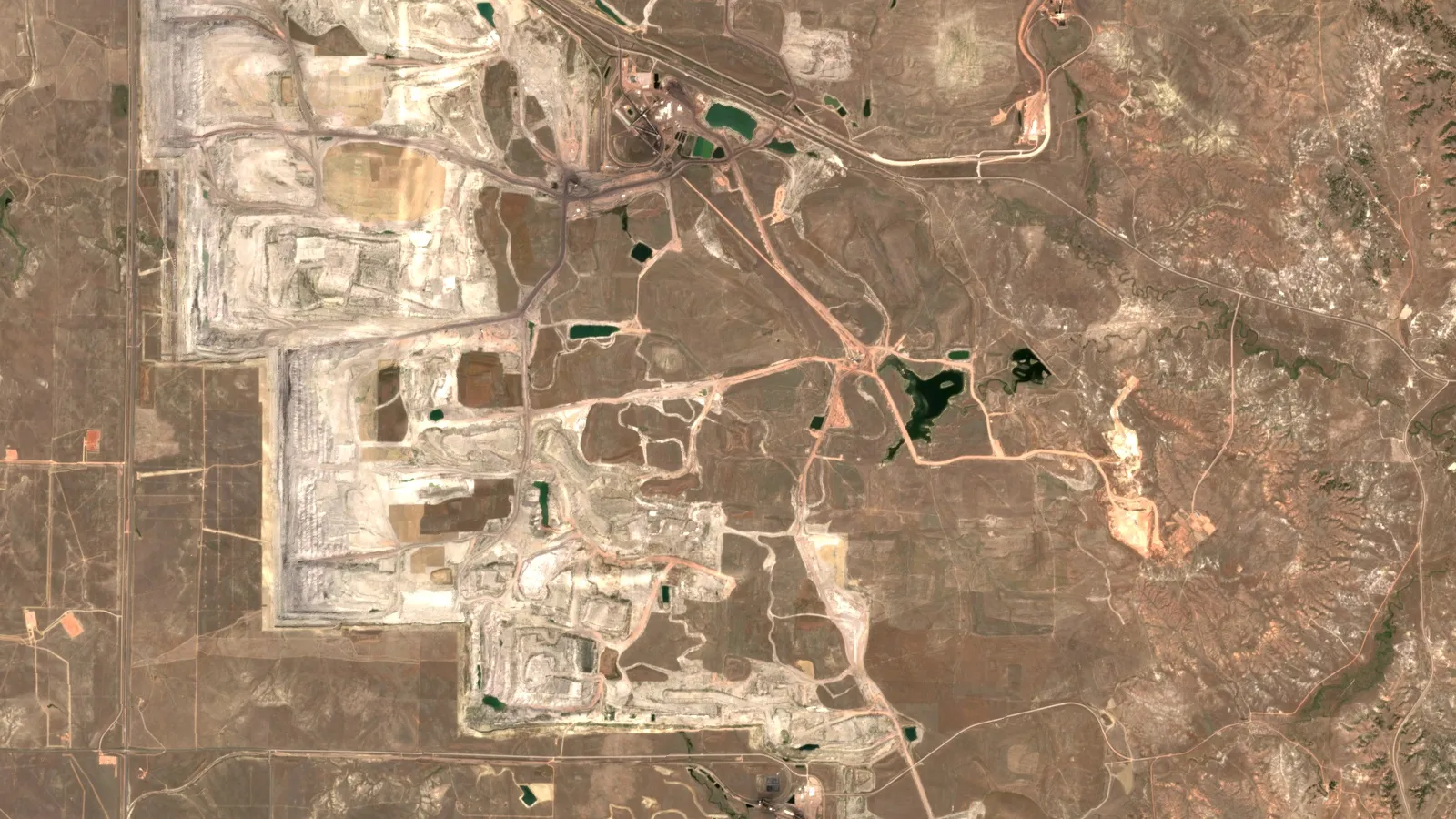
Wyoming dominates. Its surface mines produced 190.7 million short tons in 2024, about 62% of the national surface total (EIA, 2025). Most of it comes from thick, shallow seams in the Powder River Basin, the area shown in the satellite image on this page.
Flat-lying sedimentary phosphate is another common target. The USGS reports that phosphate rock was mined at 10 mines in four states in 2025 (Florida, Idaho, North Carolina and Utah), giving an estimated 20 million metric tons of marketable product. More about the end uses is in our phosphate rock guide.
Strip mining suits a deposit that is shallow, wide and roughly horizontal. A steep gold vein or a deep, narrow orebody needs a different method, such as a deep open pit or underground workings, because the waste would grow too fast with depth.
Area strip mining vs contour strip mining
Area strip mining is used on flat or gently rolling ground. The first cut, called the box cut, opens a long trench and exposes the seam. Overburden from each new cut goes into the empty trench beside it, so the mine advances in parallel strips. Because spoil returns straight to the last cut, regrading can follow close behind the working face. Our page on area strip mining and land impact goes deeper.
Contour strip mining is used in hilly country where a seam outcrops along a slope. The mine follows the seam around the hillside, cutting a bench until the overburden becomes too thick. The result is a narrow, winding cut.
Mountaintop removal is a related method that takes off the top of a ridge to reach seams below. The EPA explains that excess rock from this work often goes into engineered valley fills, because the broken rock will not all fit back in the pit.
| Method | Best fit | Main advantage | Main limit |
|---|---|---|---|
| Area strip | Flat ground, shallow seam | Spoil returns to the previous cut | Large continuous surface area |
| Contour strip | Seam outcropping on slopes | Reaches hillside coal without tunnels | Slope stability and narrow benches |
| Mountaintop removal | Several seams under a ridge | Near-complete recovery of seams | Excess spoil and stream effects |
EIA data shows how little output comes from some of these categories. Its statistics use the headings contour strip, area, open pit and mountaintop mining, and they rest on what mines report. They should not be read as an exact geological split. Wyoming, for example, reports 78.9 million short tons under the contour strip heading.
Benefits of strip mining
These are the advantages of strip mining that can be tested against published numbers.
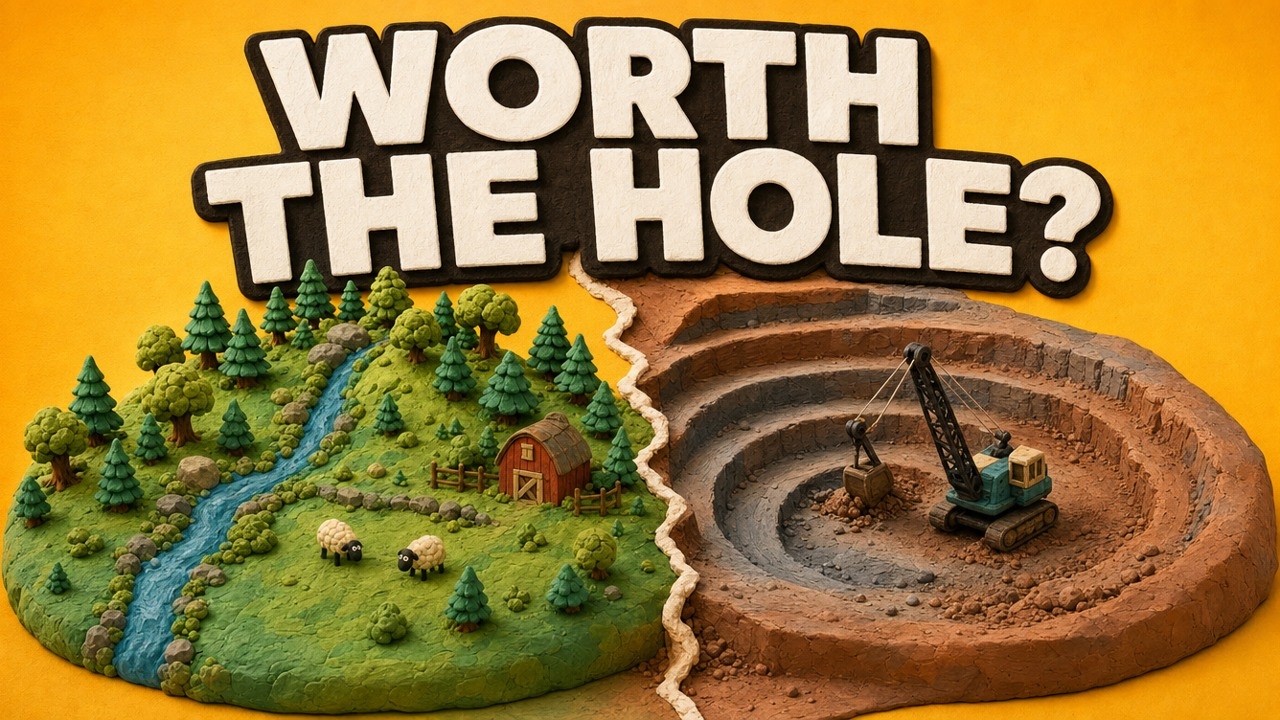
▶ Strip mining pros and cons, explained in clay · 4:37
Chart
Surface coal output by reported method
US, million short tons, 2024
Chart
Output per employee hour by mine type
US coal, short tons per employee hour, 2024
1. Higher output per worker
US surface coal mines averaged 8.94 short tons per employee hour in 2024, about 2.8 times the underground rate of 3.24 (EIA, 2025). The surface sector employed 16,303 people and produced about 306 million short tons. The underground sector employed 27,626 and produced about 206 million.
2. Lower sale price per ton, with a caveat
Coal from US surface mines sold for an average of US$29.61 per short ton in 2024, against US$85.88 from underground mines (EIA, 2025). Part of that gap is cost. Part of it is product mix, because metallurgical coal averaged US$180.02 per short ton that year and thermal coal US$37.85. The EIA also states directly that surface mining is less expensive than underground mining, which is the claim that matters here.
3. High recovery of the seam
The EPA notes that mountaintop and area mining allow almost complete recovery of coal seams. Room-and-pillar underground mines must leave pillars of coal to hold up the roof, so that part of the seam stays in the ground.
4. Large reserves at producing mines
Producing US surface mines reported 5,274 million short tons of recoverable reserves at the end of 2024, close to the 5,319 million at underground mines (EIA, 2025). At 2024 output rates, surface reserves are the shorter-lived of the two.
5. Removes some underground hazards
Working in the open removes roof falls in tunnels and underground gas build-up as daily exposures. It does not make a site safe: haul trucks, highwalls and blasting bring their own risks. The Mine Safety and Health Administration counts 8 coal mining deaths in 2025 and 10 in 2024 across surface and underground work combined, so compare any site with its own safety record and not the method name alone.
6. Land can be returned to use
Because spoil returns to the pit, a strip mine can restore the shape of the land. US law requires this for coal mines, with some exceptions. This benefit is real only if the reclamation is done and paid for, which the next sections cover.
Disadvantages of strip mining and when it does not pay
A fair decision needs the other column too.
Chart
US coal output fell in both mine types
Million short tons, 2023 and 2024
- Land disturbance: the whole surface over the deposit is disturbed, unlike most underground mining.
- Water: the EPA describes effects on small streams and aquatic ecosystems from mountaintop mining and valley fills in Appalachia.
- Waste volume: cost rises steadily with depth because every extra foot of overburden is moved for the same coal.
- Demand risk: US surface coal output fell from about 360 million to about 306 million short tons between 2023 and 2024 (EIA, 2025). Large fixed fleets are hard to run at reduced volume.
- Legacy cost: pre-1977 sites still need public work. Pennsylvania’s abandoned mine bureau lists mine fires, subsidence, dangerous highwalls and affected water supplies among the problems it handles.
The stripping ratio decides whether a strip mine pays
The stripping ratio is the amount of waste moved per unit of product, often in cubic yards per short ton of coal. It is the fastest first check on a shallow deposit.
The geometry is simple. One acre-foot of rock is 1,613 cubic yards (43,560 cubic feet divided by 27). The USGS uses average weights of about 1,750 short tons per acre-foot for lignite, 1,770 for subbituminous coal and 1,800 for bituminous coal. Treat that value as an input and check it against your own density tests. With 60 feet of overburden and a 10-foot seam at 1,750 tons per acre-foot, the ratio is about 5.5 cubic yards per ton.
At a thicker seam, the same overburden costs far less per ton. That is why a 60-foot seam under 200 feet of cover can beat a 3-foot seam under 40 feet. Depth alone does not settle the question, which is why the 200-foot guide above is only a starting point.
Calculator
Does your seam pay at its stripping ratio?
Enter your own seam, costs and price.
- Stripping cost per ton (US$): $17
- Total cost per ton (US$): $32
- Margin per ton at your price (US$): $8
- Break-even ratio (cu yd/ton): 8.26
Example values only, not a benchmark or forecast. Tons are short tons. Tons are short tons. 1,613 cubic yards per acre-foot is arithmetic (43,560 / 27). The default fee is the US surface coal rate in 30 U.S.C. 1232; lignite and low-value coal may pay less, and other countries differ. Use today’s price and your own contractor rates.
Sustainable strip mining: best practices that hold up
The practices below are the ways to strip mine that reduce both long-term liability and impact. In the US, many of them are legal requirements for coal rather than voluntary extras.
1. Plan the final landform first
Decide the post-mining land use, spoil placement and drainage before the box cut. Rehandling spoil later is one of the avoidable costs of a poor plan.
2. Keep topsoil separate
Federal performance standards require coal operators to remove topsoil as a separate layer, and to replace it or store and protect it in a separate pile.
3. Reclaim as the cut advances
Regrade and plant each finished strip as soon as the next cut allows. Less open ground means less erosion, and it brings forward the dates on which bond money can be released.
4. Control water from the first day
Divert clean water around the disturbed area, and route runoff through sediment ponds before it leaves the site. Test upstream and downstream points before mining starts, so there is a baseline to compare with.
5. Use precise survey data
GPS-guided machines and drone surveys help crews dig to the planned grade and measure spoil volumes. Satellite imagery adds a low-effort record of disturbed and revegetated ground across a large property, which is useful for spotting problem areas. It complements field inspections and regulator checks, and does not replace them.
6. Share the plan with neighbours
The law requires notice of blasting schedules to residents within half a mile of a planned blast site (30 U.S.C. 1265). Going beyond the minimum with regular meetings and shared water results is a practical way to reduce disputes.
Reclamation and land restoration: what the law requires
US coal strip mines operate under the Surface Mining Control and Reclamation Act (SMCRA), enacted on 3 August 1977. For anyone costing a project, four rules matter most.
- Restore the shape: operators must backfill and grade to the approximate original contour of the land, removing highwalls and spoil piles, subject to specific exceptions (30 U.S.C. 1265). The detailed grading rules are in 30 CFR 816.102.
- Stay liable for the vegetation: responsibility runs five full years after the last year of augmented seeding or similar work, or ten full years in areas with 26 inches or less of annual precipitation (30 U.S.C. 1265).
- Post a bond and earn it back: under 30 U.S.C. 1269, up to 60% of the bond for an area can be released after backfilling, regrading and drainage control. More is released after revegetation, and the rest when all reclamation is complete.
- Pay the per-ton fee: 30 U.S.C. 1232 sets the abandoned mine reclamation fee at 22.4 cents per ton for surface coal and 9.6 cents for underground coal, or 10% of the value at the mine if less. Lignite pays 6.4 cents per ton or 2% of value, if less. The fee schedule runs to 30 September 2034.
SMCRA covers coal. Phosphate, sand and other non-coal strip operations fall under other federal and state rules, so check with the relevant state regulator. Outside the US, ask the mining ministry or licensing authority what closure plan and security it requires.
Strip mining and water management
Water is usually the longest-running obligation. Bond money cannot be released at the revegetation stage while the land is sending suspended solids off the permit area above the set limits (30 U.S.C. 1269).
- Runoff control: grading, ditches and detention basins hold sediment on site.
- Contaminant reduction: settling ponds and constructed wetlands are common tools. Acid-forming rock should be identified early, then placed so that water and air do not reach it.
- Pond removal: temporary settling ponds must be cleaned out and removed after disturbed areas are stable, unless a permanent impoundment is approved (30 U.S.C. 1265).
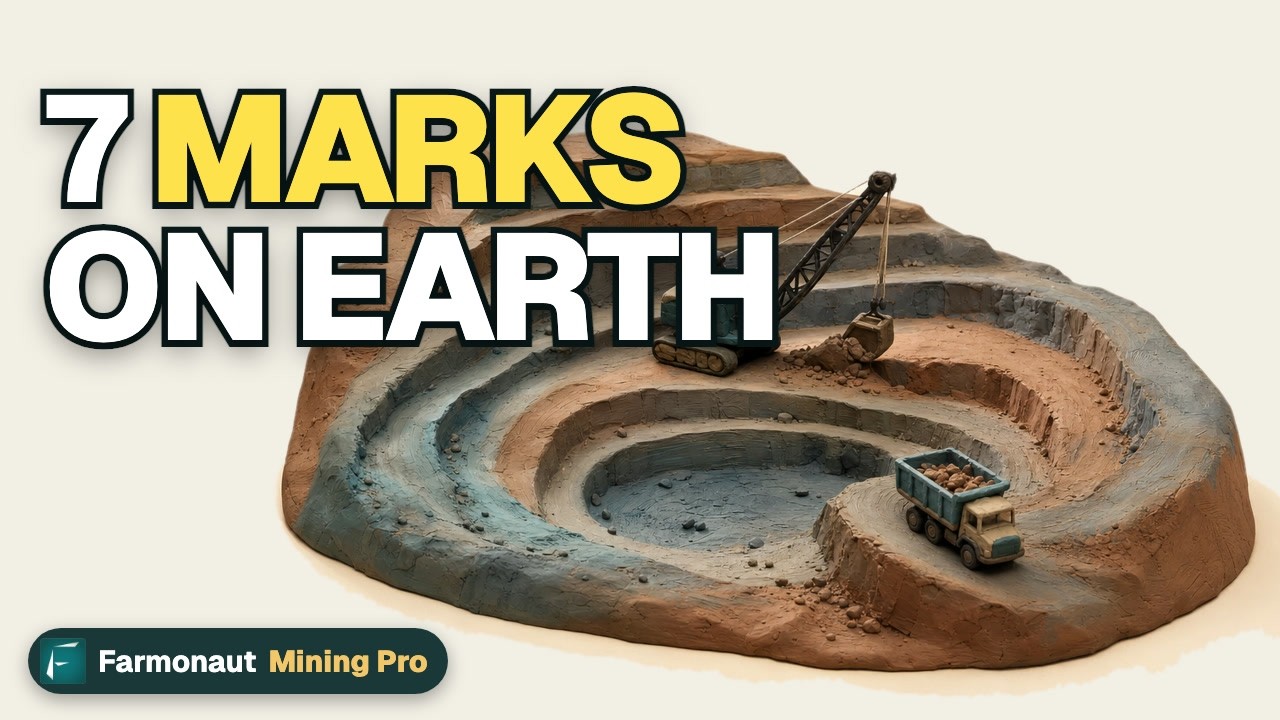
▶ Seven environmental impacts of mining, explained · 2:31
What to check before backing a strip mining project
- Seam geometry: thickness, dip and overburden from drill holes. Calculate the stripping ratio along the planned advance, not only at the best hole.
- Product and price: thermal, metallurgical or industrial mineral, with a dated price and a buyer.
- Surface and mineral rights: who owns each, and whether the surface owner’s consent is needed.
- Bond and closure cost: what a third party would charge to finish the work.
- Water baseline: at least a full seasonal cycle of sampling before disturbance.
- Exit date: the bond and vegetation liability can outlast the last ton of coal by five to ten years or more.
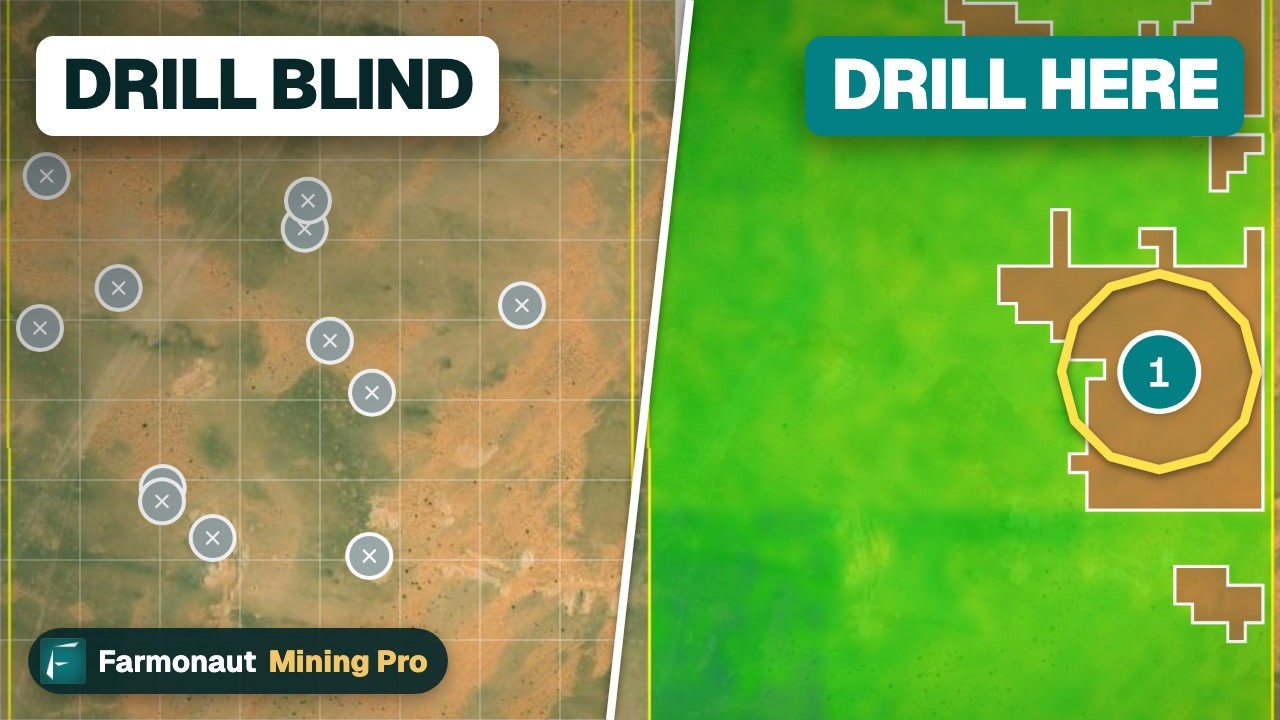
▶ How mining contributes to an economy: exports, jobs and revenue · 5:03
Frequently asked questions
What are the main benefits of strip mining?
Higher output per worker, lower cost than underground mining, and near-complete recovery of shallow seams. US surface coal mines reached 8.94 short tons per employee hour in 2024, against 3.24 underground (EIA, 2025).
What is a strip mine?
A strip mine is a surface operation that removes overburden in long parallel cuts to reach a shallow, flat-lying deposit.
What is the difference between strip mining and open pit mining?
Strip mining advances sideways across a flat deposit and refills earlier cuts. An open pit usually deepens in benches around a thicker or steeper orebody, and waste often goes to dumps outside the pit.
What is area strip mining?
It is strip mining on flat or gently rolling land. Spoil from each new cut fills the previous one.
What is contour strip mining?
It is strip mining along a hillside, following the seam around the slope until the overburden is too thick to remove economically.
Where is strip mining used?
Mostly on shallow coal and flat-lying industrial minerals such as phosphate. Wyoming produced about 62% of US surface coal in 2024 (EIA, 2025).
How deep can strip mining go?
The EIA gives less than 200 feet as a common guide for coal. The working limit is the stripping ratio your coal price can pay for.
What are the environmental impacts of strip mining?
The main ones are land disturbance, habitat loss, dust, sediment and changes to streams. The EPA describes stream effects from valley fills in Appalachia.
How does the EPA describe strip mining?
The EPA page on Appalachia uses the term surface coal mining, covering mountaintop removal, contour, area, highwall and auger mining.
Is strip mining legal in the US?
Yes, with a permit. SMCRA regulates surface coal mining, and non-coal operations follow other federal and state rules.
What does strip mining mean in business?
Outside mining, the phrase is used loosely for taking all the short-term value out of an asset or company without reinvesting. It has no connection with the technical mining method.
More from Farmonaut: agro admin app, carbon footprinting, crop loan and insurance, farmonaut satellite weather api developer docs, fleet management, product traceability, what is phosphate rock used for top 7 benefits explained.
This page is for information only. It is not legal or investment advice. Confirm the rules with the regulator.
Farmonaut mining
Map your mining site from space
Consultants can send a project boundary as KML or a polygon and receive satellite mapping of the ground for early-stage review.

Mining Pro sample view, synthetic data
Keep reading

Sources
- US EIA, Annual Coal Report 2024 (November 2025): eia.gov
- US EIA, Coal explained: mining and transportation: eia.gov
- US EPA, Basic information about surface coal mining in Appalachia: epa.gov
- USGS, Mineral Commodity Summaries 2026: Phosphate rock: pubs.usgs.gov
- MSHA, Coal fatalities 1900 through 2025: arlweb.msha.gov
- 30 U.S.C. 1265, Environmental protection performance standards: law.cornell.edu
- 30 U.S.C. 1269, Release of performance bonds: law.cornell.edu
- 30 U.S.C. 1232, Reclamation fee: law.cornell.edu
- 30 CFR 816.102, Backfilling and grading: law.cornell.edu
- Pennsylvania DEP, Bureau of Abandoned Mine Reclamation: pa.gov
- USGS uses average weights: pubs.usgs.gov
Discussion
Questions, corrections or field experience? Share them below. First-time comments are reviewed before they appear, and your email is never published.
No comments yet. Be the first to add a question or your experience.

 WSP Investment Company
 Dalgety Minerals Pty Ltd
 Vortex Minerals Pty Ltd
 Faith At Work (Pty) Ltd
 Geotech Mining Solutions plc
 Vulcan International Limited
 Kidepo Associates
 GKY Mining
 Alkimy SARL
 Double A Trading
 GemSprout Metals Limited
 Qader Group
 Ileys General Trading
 SG Gold Mining LLC
 VRV Global Pte Ltd
 Omsri International FZE
 G.I.T.T.
 Jaunita Erss Ltd
 Almosi SARL
 SRK Consulting
 Berks Gold Limited
 Mwerezi Minerals Company Limited
 Mining SARL

 Exploration consultancy · South Africa · Gold










