

Where Could I Find Gold? Top Regions Australia, Africa, Canada – 2025’s Guide to Deposits, Technologies & Exploration
“Australia, China, and Africa produce over 45% of the world’s mined gold each year using cutting-edge exploration tech.”
Where Could I Find Gold in 2025? – An Introduction
Gold has long captivated human civilization over the course of millennia. Its allure lies not only in its intrinsic value but also in diverse applications spanning technology, finance, industry, and defense. The fundamental question of where could I find gold – or more specifically, where can I find gold – is more relevant than ever in 2025 and beyond. From infrastructure development to modern mining and resource management, understanding the key regions, geological settings, and technologies involved is critical.
This comprehensive article explores:
- Contemporary, productive locations for gold, from the goldfields of Australia to both primary and secondary deposits across Africa and Canada.
- The geological processes and formations associated with gold-based deposits (including placer and hard rock gold mining).
- Breakthroughs in exploration and extraction technologies that maximize yield and minimize environmental impact.
- How gold powers modern infrastructure and defense sectors.
Let’s embark on a practical and technology-focused journey to answer: Where would you find gold—now, and in the future?
Geological Context: Where Can You Find Gold?
To thoroughly answer where could I find gold, it’s essential to delve into the geological context. Gold is primarily found in two types of geological deposits:
- Primary (Lode) Deposits:
- These refer to gold embedded within rock formations, typically in quartz veins or associated with sulfide minerals like pyrite.
- Extraction involves mining ore directly from the rock, followed by intensive processing to recover gold.
- Secondary (Placer & Alluvial) Deposits:
- Formed when gold erodes from primary sites and is deposited in riverbeds, floodplains, or alluvial sediments.
- This gold is often easier to extract using simple methods like panning and sluicing.
These geological settings—lode vs placer—determine where can I find gold today and guide the creation of modern mining operations globally.
“Canada’s gold output reached 220 metric tons in 2023, driven by advanced 3D geological mapping and automated extraction.”
Overview Table of Top Gold Mining Regions (2025): Geological Features, Reserves & Technologies
| Region / Location | Estimated Gold Reserves (tons, 2025) | Major Geological Deposit Type | Notable Mining Technologies Used (2025) | Innovative Extraction Techniques |
|---|---|---|---|---|
| Western Australia (Kalgoorlie Goldfields) | ~3,000+ | Primary (Lode) within Greenstone Belts, Quartz Veins | Satellite-based remote sensing, Automated drilling, Real-time orebody scanning | Bio-mining, Eco-friendly leaching, AI-guided rock blasting |
| Witwatersrand Basin (South Africa) | ~8,000+ | Primary (Lode), Deeply buried Reefs, Ancient Sedimentary Basins | Autonomous mining fleets, Deep-level seismic mapping, Digital twin monitoring | Hydraulic fracturing, Microbial gold recovery, Advanced ore sorting |
| Abitibi Belt (Ontario & Quebec, Canada) | ~2,800+ | Primary (Greenstone-hosted Lode), Associated with Pyrite & Sulfides | 3D geological modeling, Drones, AI-enabled core analysis | Low-impact cyanide alternatives, Smart sensor processing |
| Yukon/Alaska | ~700+ | Secondary (Alluvial / Placer), Riverbeds & Floodplain Sediments | Satellite monitoring, Portable drilling rigs, AI placer mapping | Sluicing with recovery optimization, Water recirculation tech |
| West Africa (Ghana, Mali, Burkina Faso) | ~2,100+ | Secondary (Alluvial Placer) & Primary (Lode) in Greenstone Belts | Major UAV (drone) surveys, Satellite mineral targeting, Blockchain supply chain | Heap leaching, Eco-planning in ASM, Artisanal mining monitoring tech |
| Mauritania (Sahara, NW Africa) | ~600+ | Primary (Lode) and Alluvial Placer Deposits | Satellite spectral imaging, AI mineral prospecting | Low-water alluvial gold processing, Rapid on-site assays |
| British Columbia (Canada) | ~300+ | Primary (Porphyry & Greenstone-Lode) + Placer | AI soil geochemistry, Satellite-GIS integration | Sequential ore leaching, Closed-loop environmental controls |
Why These Regions?
These areas are globally known for abundant deposits due to key geological features—like ancient greenstone belts, deeply buried reefs, and extensive alluvial plains. Their continued significance in 2025 is driven by relentless technological innovation, allowing mining companies to extract gold from even previously inaccessible or low-grade locations while balancing environmental stewardship.
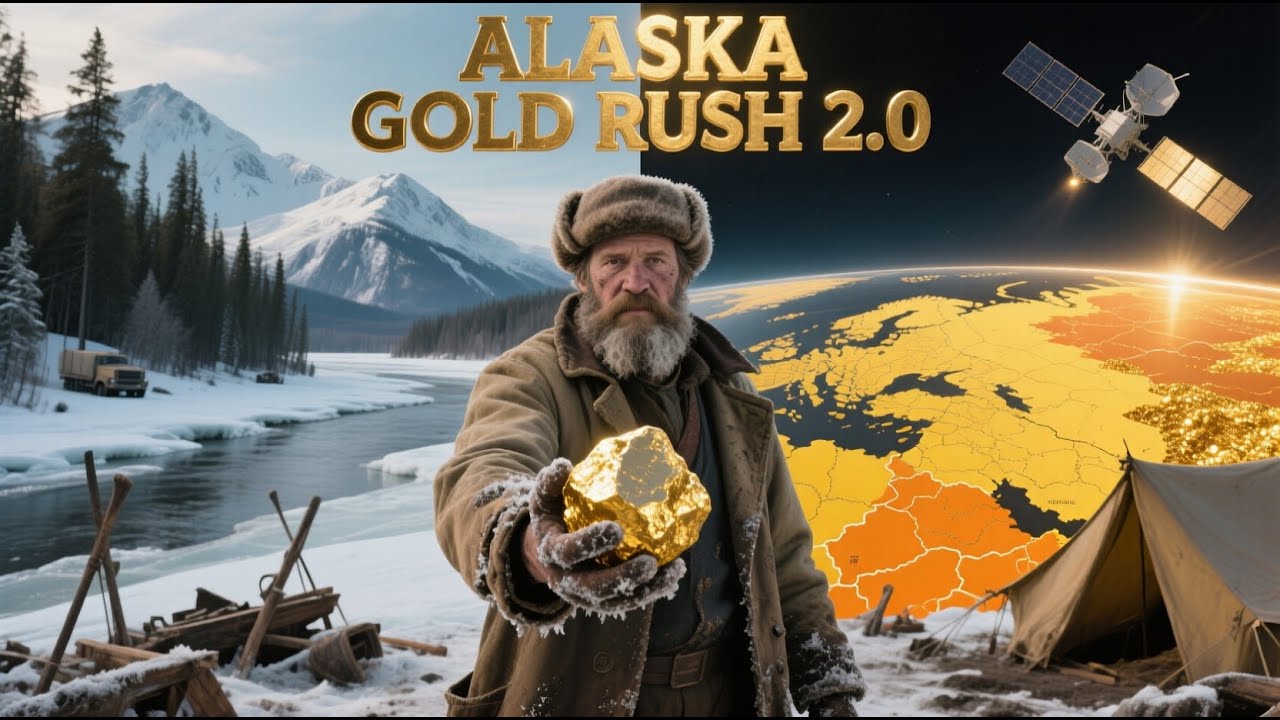
Where Could I Find Gold in Hard Rock Mining Regions?
Greenstone Belts & Deeply Buried Lodes: Australia, Africa, Canada
- Western Australia (Kalgoorlie Goldfields – State’s Gold Crown)
- The Kalgoorlie goldfields—in the state of Western Australia—are among the world’s richest primary deposits.
- Gold is found embedded deep within volcanic greenstone rock sequences, particularly in ancient quartz veins and associated with minerals like pyrite.
- Modern operations employ automated rock drilling, satellite-based surveying for ore targeting, and AI for predicting gold lode extensions.
- The area remains critical for its prolific reserves and continued technological advances in yield and sustainability.
- South Africa (Witwatersrand Basin – The Greatest Basin)
- Witwatersrand Basin is globally important, containing nearly 40% of the world’s known gold.
- This gold is held within deeply buried conglomerate reefs, requiring hard rock mining at extreme depths.
- Mining companies utilize digital seismic mapping, AI-guided drilling, and ultra-deep robotic fleets to maximize orebody yield and safety.
- Canada (Abitibi Greenstone Belt – Ontario & Quebec)
- The Abitibi Belt spans both Ontario and Quebec, hosting some of Canada’s most significant primary gold deposits.
- Gold is often embedded within quartz-pyrite veins, matched with comprehensive 3D geomodelling and AI-enabled sorting.
- Advances in sustainable extraction, including low-impact cyanide alternatives and real-time environmental monitoring, set this region apart for the future.
What Makes These Hard Rock Gold Areas Productive?
- Prevalent ancient greenstone belts (Australia, Canada, West Africa) lead to thick zones of gold-bearing rocks.
- Association with quartz veins and sulfide minerals (pyrite and more).
- Advanced mining and surveying technologies help target deeply buried reefs and maximize exploitation with less environmental impact.
- Persistent development of AI-driven exploration enhances success rates in discovering new primary gold sources.
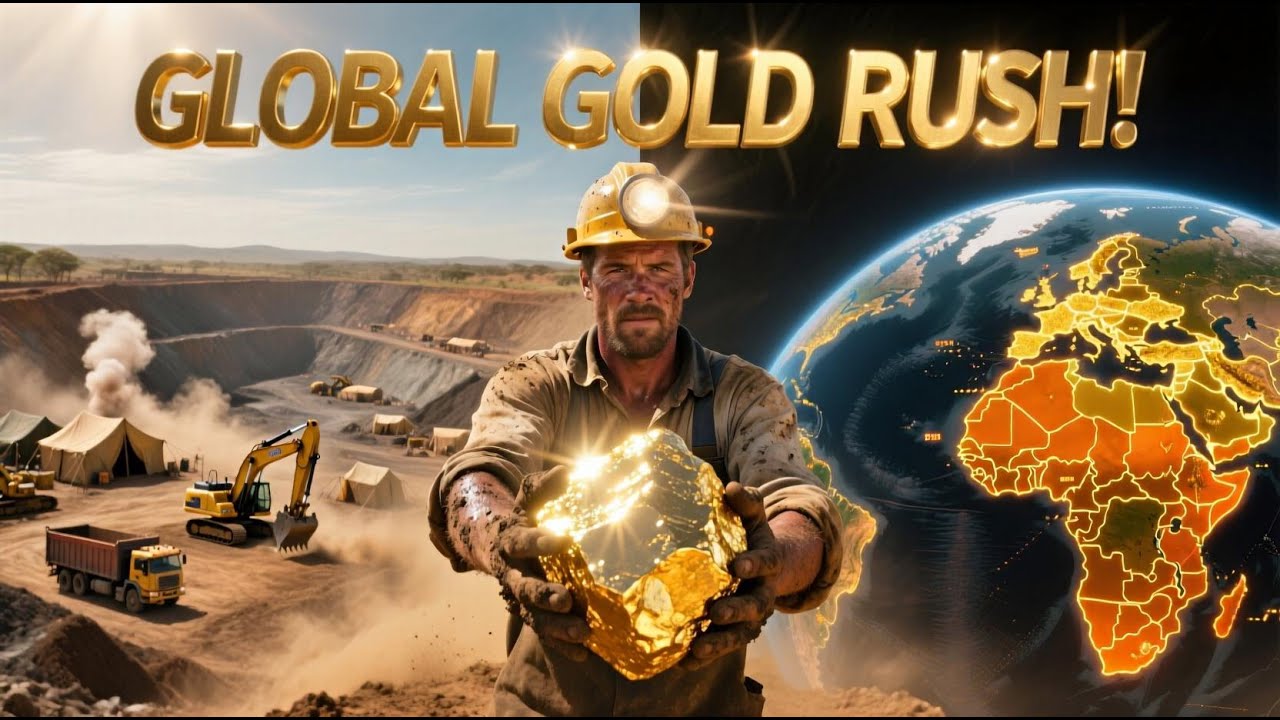
Placer & Alluvial Deposits: Where Can I Find Gold in Riverbeds & Sediments?
Understanding Secondary Gold Deposits: Placer & Alluvial Gold
Secondary gold deposits are formed when primary ore erodes and gold particles accumulate in surface sediments, like riverbeds, floodplains, and alluvial fans.
Key characteristics:
- Easier to extract via panning, sluicing, and portable placer mining rigs, without the need for high-impact excavation.
- Often found in regions with dynamic river systems or recently weathered terrains—making them accessible for small-scale and artisanal miners as well as industrial mining firms.
Major Alluvial Gold Regions in 2025
- Yukon (Canada) & Alaska (USA): Famous placer gold areas with still-active operations both on a small scale and larger, modernized scales—using satellite-guided placer mapping and efficient water-use technologies.
- West Africa (Ghana, Mali): Extensive alluvial gold deposits found in river gravel sediments, fueling a vital sector for rural economies and national exports.
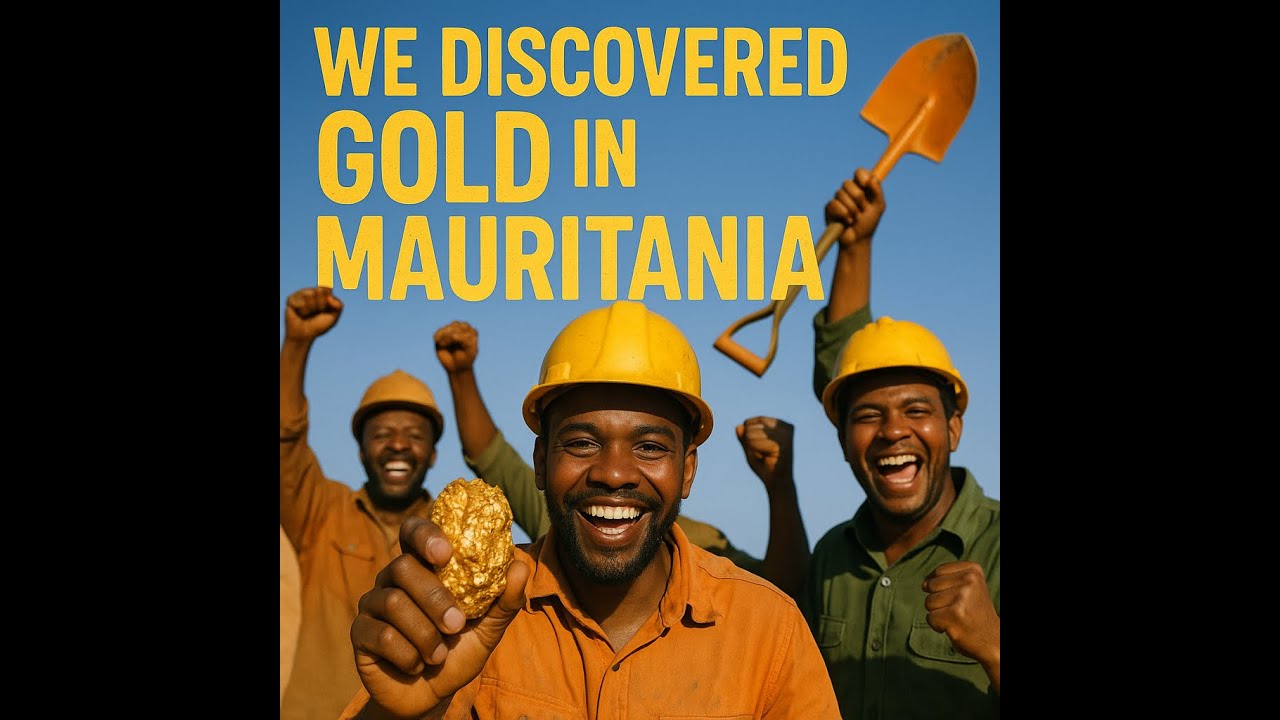
- Mauritania & Sahara-Fringe (Northwest Africa): Growing use of satellite tools has uncovered previously hidden secondary gold deposits, making alluvial mining more productive and sustainable in challenging environments.
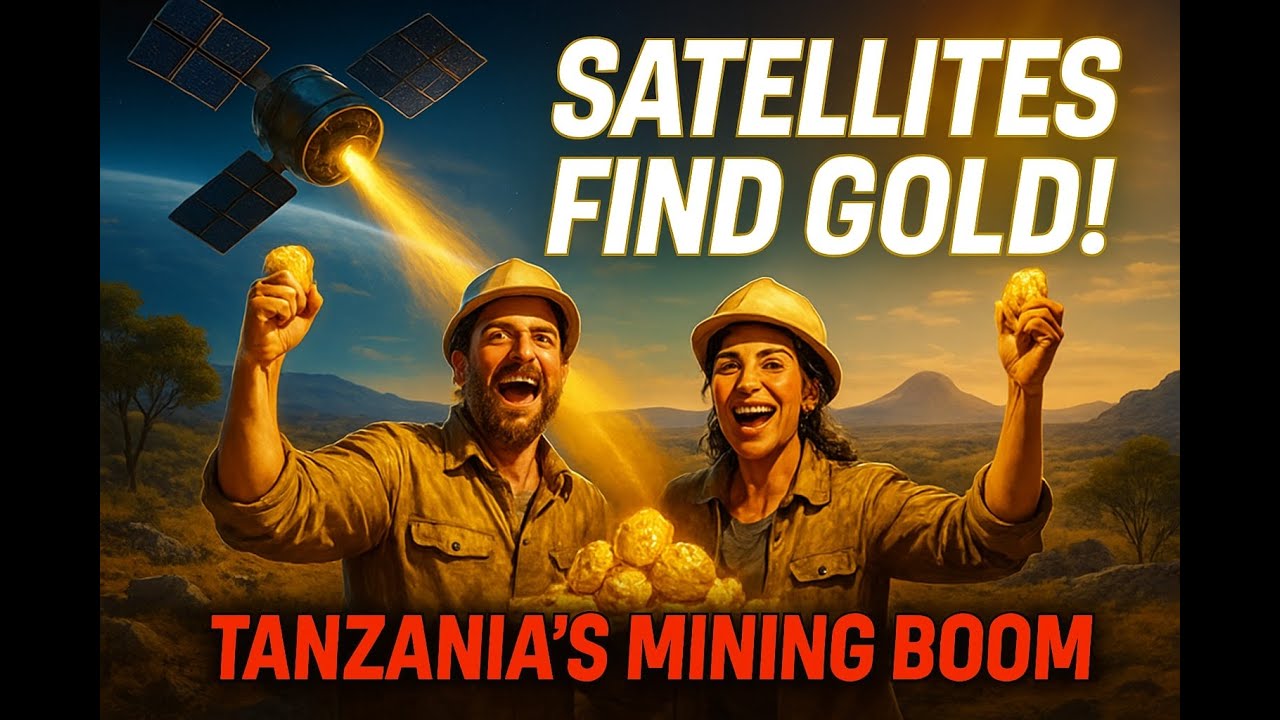
How Is Modern Placer Gold Extraction Evolving?
- Companies are leveraging satellite-based monitoring, drones, and machine learning to pinpoint areas where gold accumulates in newly deposited river sediments.
- Eco-friendly extraction (e.g., water recirculation, non-mercury recovery, real-time environmental sensors) are now standard for reducing the impact of alluvial mining in sensitive river systems.
- Blockchain traceability helps certify gold’s origin, discouraging illegal or unsustainable mining. (Explore more about blockchain-based traceability for mining here.)

Modern Gold Exploration and Extraction Technologies (2025 & Beyond)
The answer to where could I find gold or where can I find gold is increasingly shaped by the latest technologies:
- Satellite-Based Remote Sensing: Multispectral and hyperspectral imaging detect subtle mineralogical signatures on Earth’s surface, accelerating target selection for both lode and placer deposits.
- AI-Powered Mineral Targeting: Machine learning processes satellite, geophysical, and geochemical data at scale to predict high-yield areas with unprecedented precision, drastically lowering search costs.
- Drones & Automated Exploration Fleets: UAVs collect high-resolution data in remote or hazardous terrains, rapidly updating geological models and operational maps.
- Green & Sustainable Extraction:
- Techniques like bio-mining employ bacteria to leach gold from ores with lower environmental impact.
- Environmentally safe chemicals and closed-loop processing minimize waste and water use.
- Digital Twin Monitoring: Real-time digital replicas of mines support efficient, safe resource extraction and help companies comply with environmental targets.
Innovations also enable exploration in sensitive environments, such as protected rainforests or Arctic permafrost, by reducing physical disturbance and maximizing yield per disturbance.

Featured Case: AI & Satellite-Driven Resource Management
Reducing the carbon footprint of gold mining is an emerging imperative. Satellites and data science platforms, like those offered by Farmonaut, provide real-time environmental tracking, helping mining companies balance efficiency and sustainability.
Learn more about carbon footprint monitoring in mining here.

Gold in Defense, Finance & Infrastructure: Why Strategic Mining Matters
Gold’s unique properties—its conductivity, resistance to corrosion, and malleability—mean it is fundamental to far more than jewelry or bullion investment:
- Defense Applications: Used in missile and avionics circuitry, satellite components, and anti-radiation hardware.
- Infrastructure Development: High-dependency electronic connectors (telecommunications, aerospace, GPS).
- Finance & Industry: Gold reserves remain vital to sovereign fiscal policy and serve as a universal trading standard even as central banks worldwide increase their strategic stockpiles.
In 2025 and beyond, mining companies are under increasing pressure to assure supply through ethical sourcing, advanced recycling, and environmental compliance—a process turbocharged by modern monitoring solutions.



Access gold mining monitoring, satellite insights, and resource management tools anytime—download the Farmonaut app for web, Android, or iOS.
Farmonaut’s Advanced Satellite & AI Tools for Mining and Gold Exploration
We at Farmonaut revolutionize mining and resource management by integrating affordable satellite solutions, AI-powered analysis, and real-time monitoring into gold exploration and operations:
- Real-Time Satellite-Based Monitoring: Multispectral and radar imagery helps identify new deposits, monitor daily mining activities, and verify environmental compliance.
- AI Advisory System: Our Jeevn AI platform delivers tailored strategies for optimizing gold yields, mitigating risks, and boosting operational efficiency.
- Environmental Impact Tracking: Real-time carbon footprint and emissions analysis ensures sustainability is central to modern mining operations.
- Blockchain-Based Traceability: End-to-end supply chain verification for gold, securing authenticity and regulatory compliance for both primary and alluvial gold streams. (Explore our traceability solutions here.)
- Fleet & Resource Management: Satellite-enabled vehicle and equipment tracking, maximizing logistics in rugged mining terrain. (See Farmonaut’s fleet management overview here.)
Our platform’s accessibility—via web, Android, iOS, and robust API (see: Farmonaut API)—empowers businesses, individual miners, and government agencies to make informed, data-driven decisions in gold mining and exploration. Developers and tech teams can integrate satellite intelligence with custom workflows (Farmonaut Developer API Docs).
We help our users and clients:
- Reduce cost barriers typically associated with high-tech exploration or continuous environmental compliance.
- Scale solutions as operations grow—from small prospectors tracing alluvial nuggets to large enterprises surveying greenstone belts and hard rock basins.
- Streamline access to financing (such as gold-linked crop and mining loans), supported by objective satellite verification. (More on satellite-supported crop and mining loan solutions.)
Frequently Asked Questions: Where Could I Find Gold?
Where would you find gold most easily in 2025?
The “easiest” gold is generally found in active placer and alluvial deposits, particularly Yukon (Canada), West Africa (Ghana, Mali), and parts of Alaska. These riverbeds and sediments accumulate small nuggets and flakes eroded from primary rock. Extraction remains accessible via panning, sluicing, and lightweight mechanized equipment.
What geological settings should I target if I want to find hard rock gold?
Focus on ancient greenstone belts (such as Western Australia’s Kalgoorlie, Canada’s Abitibi Belt, or West Africa’s Birimian Belt), deep quartz veins, and rock containing visible pyrite and sulfide minerals. Hard rock mining requires specialized machinery and expertise, but yields the largest, deeply buried reserves.
Are new gold deposits still being discovered in 2025?
Absolutely. With AI, satellite mapping, and machine learning, companies are detecting gold even in previously explored regions. Advances in soil geochemistry, hyperspectral imaging, and automated geologic analysis have led to new commercial finds in North America, Africa, and South America.
How important is technology in modern gold mining?
Today, technology is crucial to:
- Increase discovery rates and minimize false positives;
- Optimize extraction with less environmental impact;
- Meet international standards for gold’s traceability and sustainability.
Satellite-driven platforms like Farmonaut provide a competitive edge at every mining stage.
Is all gold equally valuable in industrial and defense applications?
While all gold has high intrinsic value, high-purity gold (99.99%) is required for microelectronics used in infrastructure and defense. Some gold from certain regions may require more advanced refining, which is why traceability and supply chain transparency (using platforms like Farmonaut Traceability) are so important.
How can I use satellites or technology to help find gold?
Modern satellite imagery—like that available through Farmonaut—identifies key geological, vegetation, and structural features indicating gold presence. Coupled with AI, these insights help pinpoint high-potential zones before expensive on-ground exploration. Find out more about Farmonaut’s Satellite & AI Mining API.
Where Could I Find Gold? A Practical Guide for 2025 & Beyond
To summarize, the core answer to where can I find gold—for anyone engaged in mining, infrastructure, defense, or resource management—depends on two key deposit types (primary lode and secondary placer/alluvial) and an ability to target globally significant regions:
- Primary (lode) deposits: Look to ancient greenstone belts, deeply buried quartz veins, and basin reefs in Western Australia, Witwatersrand Basin (South Africa), and Abitibi Belt (Canada).
- Placer/alluvial gold: Target river gravels, floodplains, and alluvial fans in Alaska, Yukon, Ghana, Mali, and sections of Mauritania and British Columbia.
The 2026+ gold rush is defined by technology. Satellite monitoring, AI-driven geochemistry, blockchain traceability, and advanced extraction enable sustainable practices, maximize economic return, and reduce risk for all stakeholders.
Whether you are a mining operator, infrastructure developer, or part of defense and finance planning, prioritizing the right locations, geological contexts, and technology platforms will empower you to make gold exploration safe, responsible, and profitable in the contemporary era.
Ready for actionable satellite insights, gold monitoring, and mining data-driven decisions? Download the Farmonaut app for Android, iOS, or web, or explore enterprise satellite/API solutions now.
- Optimize your mining fleet and reduce operational cost – Learn about Farmonaut Fleet Management
- Track the full carbon footprint of gold mining sites – Explore our Carbon Footprinting Tools
Your search for “where could I find gold” just took a leap into the future. Tap into advanced technology, data-driven knowledge, and the world’s most productive regions for transformative gold mining—making every ounce count.
Discussion
Questions, corrections or field experience? Share them below. First-time comments are reviewed before they appear, and your email is never published.
No comments yet. Be the first to add a question or your experience.

 Southbridge & Wess PDC Ltd
 Qader Group
 Ileys General Trading
 SG Gold Mining LLC
 VRV Global Pte Ltd
 Omsri International FZE
 G.I.T.T.
 Jaunita Erss Ltd
 Almosi SARL
 SRK Consulting
 Berks Gold Limited
 Mwerezi Minerals Company Limited
 Mining SARL
 SenGold Invest SAS
 Sean Mining Limited
 NTS Group (Pty) Ltd
 Mine4Africa
 Lithspo Minerals Limited











