

Farm drones · Buyer list
Best Agriculture UAV Drones: 7 Ranked by Farm Job
The best farm drone depends on the job: big spray drones such as the DJI Agras T100 (100 L tank) or XAG P150 (70 kg payload) for spraying and spreading, small multispectral drones for scouting. US spray drones treated an estimated 16.4 million acres in 2025 (ASDC survey).
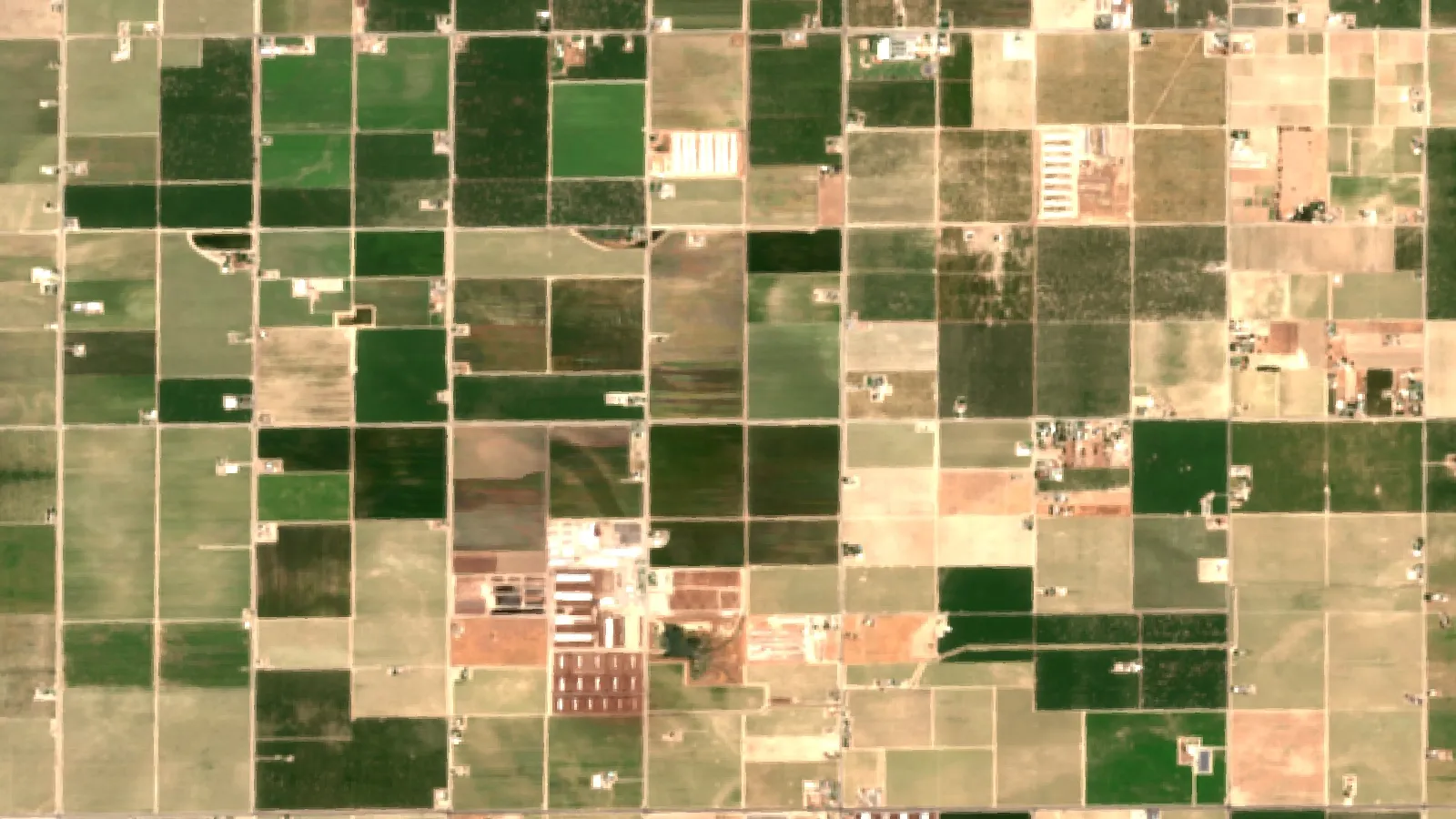
Key takeaways
- For large-acre spraying, the DJI Agras T100 has a 100 L spray tank; the T50 has 40 L and the T25 has 20 L (DJI spec pages).
- The XAG P150 carries up to 70 kg and suits spreading fertilizer or seed; Hylio builds spray drones in Texas.
- For scouting, the DJI Mavic 3 Multispectral flies up to 43 minutes; the WingtraRAY maps up to 550 ha per flight (maker specs).
- US spray drone sales fell from about 8,950 units in 2024 to about 3,711 in 2025 after import restrictions on DJI (ASDC 2025 survey).
- The average US custom spraying price was $13 per acre in 2025, down from $21 in 2024 (ASDC survey average).
In this article
- Best agriculture UAV drones at a glance
- What is an agriculture UAV drone?
- How we chose and ranked the drones
- The 7 best agriculture UAV drones ranked by farm job
- How big is the spray drone market in the US?
- Which drone type fits your farm?
- Buyer guide: how to choose an agricultural drone
- Supply limits for US buyers
- Rules for flying farm drones
- Hire a drone service or buy your own?
- Where drones save inputs: precision spraying
- Drones and satellite monitoring together
- Safety and daily operation tips
- FAQ
The best agriculture UAV drones depend on the job: big spray drones such as the DJI Agras T100 (100 L tank) and XAG P150 (70 kg payload) for spraying and spreading, and small multispectral drones such as the DJI Mavic 3 Multispectral for crop scouting. In the US, spray drones treated an estimated 16.4 million acres in 2025, up 58.7% on 2024, according to the American Spray Drone Coalition (ASDC) 2025 survey.
This guide ranks seven farm drones by the job they do best. Each entry has a “Best for” line, the key numbers from the maker’s own spec page, and the catch. It ends with a buyer checklist, the rules in the US, Canada and the UK, a hire-or-buy calculator and an FAQ.
Best agriculture UAV drones at a glance
The table sums up the seven drones. Specs come from each maker’s website (checked October 2026). Spray and spread figures are maker claims measured in their own test conditions, so real field output will be lower.
| Drone | Best for | Key spec (maker) | Watch out for |
|---|---|---|---|
| DJI Agras T100 | Large-acre spraying and spreading | 100 L spray tank, 150 L spread tank | US import limits on DJI |
| DJI Agras T50 | Mid-size row-crop farms | 40 L spray tank, 75 L spread tank | US import limits on DJI |
| DJI Agras T25 | Small or odd-shaped fields | 20 L spray tank, 52 kg max takeoff weight | Many refills on big blocks |
| XAG P150 | Fertilizer and seed spreading | 70 kg max payload, 30 L/min flow | Chinese-made; check dealer support |
| Hylio AgDrones | US-made fleets | Up to three drones per ground station | Fewer dealers outside the US |
| DJI Mavic 3 Multispectral | Crop scouting and NDVI maps | 43 min flight, 5 MP multispectral bands | Less area per flight than fixed-wing |
| WingtraRAY | Mapping very large farms | Up to 550 ha per flight | Mapping only, no spraying |
Chart
Spray tank size of selected spray drones
Litres, standard spray tank, maker spec pages
What is an agriculture UAV drone?
An agriculture UAV (unmanned aerial vehicle) is a remotely piloted aircraft built for farm work. Farm UAVs fall into two groups. Spray and spread drones carry a tank or hopper and apply crop protection products, liquid fertilizer, granular fertilizer or seed. Mapping and scouting drones carry cameras, often multispectral, and turn hundreds of photos into field maps.
The two groups answer different questions. A spray drone answers “how do I treat this field without driving on it?” A mapping drone answers “where in this field is the problem?” Many farms that buy a sprayer also keep a small scouting drone, because a map first makes the spray job smaller.
On US row-crop farms, drones are still a small part of digital farming. A USDA Economic Research Service report on precision agriculture found that variable rate technology was much more common than drones, aircraft or satellites on the six major crops it studied.
Drones also sit beside other tools. Ground sprayers still cover large flat fields fastest. Crewed aircraft still handle very large areas. Satellites give a cheap, regular view of every field without a pilot. For more uses beyond this list, see our guide to drone farming.

▶ How drones, satellites, traps and phone cameras compare for spotting crop pests early. · 6:32
How we chose and ranked the drones
We did not fly these drones ourselves. We picked models that are sold for farm work in the US, Canada, Europe or Australia in October 2026 and that publish full specs. We ranked them by farm job, not by one score, because a scouting drone and a 100 L sprayer are not rivals.
- Job fit: does the drone do the job well at farm scale (tank size, flow rate, payload or area mapped per flight)?
- Published specs: every number below comes from the maker’s own spec page.
- Supply and support: can a buyer in the US or Canada get the drone, spare batteries and repairs?
- Workflow: how quickly can one person go from field map to finished job?
We left out prices. Drone prices change fast and differ by dealer, bundle and country. Ask two or three dealers for a written quote that lists batteries, chargers and the generator.
The 7 best agriculture UAV drones ranked by farm job
1. DJI Agras T100: best for large-acre spraying
Best for: custom applicators and large farms that spray or spread over thousands of acres a year.
The DJI Agras T100 spec sheet lists a 100 L spray tank, a 150 L spreading tank and a maximum flow rate of 30 L/min with two nozzles or 40 L/min with four. The aircraft weighs 75 kg for spraying and up to 175 kg at maximum takeoff weight. That size cuts the number of refills per field, which is where much of a spray day is lost.
The catch: it is a heavy machine. It needs a large battery and charging setup, a trailer and a trained crew. US buyers also face supply problems, covered in the buyer section below.
2. DJI Agras T50: best all-round spray drone
Best for: mid-size grain, cotton or vegetable farms that want one drone for both spraying and spreading.
According to the DJI Agras T50 specs, it carries a 40 L spray tank and a 75 L spreading tank. The maximum flow rate is 16 L/min with two sprinklers and 24 L/min with four. It is smaller and lighter than the T100, which makes it easier to move between fields.
The catch: on large blocks the 40 L tank means more stops to refill than the T100.
3. DJI Agras T25: best for small or odd-shaped fields
Best for: orchards, vineyards, small fields, steep ground and spot treatments.
The Agras T25 spec page lists a 20 L spray tank, a 35 L spreading tank, 16 L/min flow with two sprinklers and a 52 kg maximum takeoff weight for spraying. It weighs 32 kg with battery, much lighter than the T100, which matters on farms with many small fields.
The catch: the small tank is slow on wide-open row crops.
4. XAG P150: best for fertilizer and seed spreading
Best for: farms that spread a lot of granular fertilizer or cover-crop seed as well as spraying.
The XAG P150 product page lists a 70 kg maximum payload and a 30 L/min spray flow. XAG claims 26 ha per hour in open-field spraying at 30 L/ha, and about 2,167 kg per hour when spreading at 300 kg/ha. These figures come from XAG’s own test settings, so treat them as an upper limit.
The catch: XAG is a Chinese maker. Check that a local dealer stocks parts and batteries before you buy.
5. Hylio AgDrones: best US-made spray drones
Best for: US operators who want a drone built in America, or who want to fly several drones at once.
Hylio says its AgDrones are designed and made in Texas, and that one ground station can command up to three drones. Its AgroSol software plans the field map and the spray job.
The catch: the dealer and service network outside the US is smaller than for the big Chinese brands.
6. DJI Mavic 3 Multispectral: best for crop scouting
Best for: agronomists and growers who want plant-health maps, stand counts and problem-spot checks.
The Mavic 3 Multispectral specs list a 951 g aircraft weight (1,050 g maximum takeoff weight), up to 43 minutes of flight without wind, a 4/3 CMOS color camera and a 5 MP multispectral camera with green, red, red-edge and near-infrared bands. Mapping software such as PIX4Dfields turns the photos into NDVI and other index maps.
The catch: DJI claims up to 200 ha per flight in ideal conditions, well short of a fixed-wing mapper, and real coverage depends on overlap and wind. On large farms, satellite maps can show where to send it first.
7. WingtraRAY: best for mapping very large farms
Best for: survey firms, large estates and research farms that map thousands of hectares.
Wingtra’s WingtraRAY page lists up to 59 minutes of flight with RGB and multispectral sensors and up to 550 ha (1,360 acres) in one flight. It takes off and lands vertically but flies like a plane, which is why it covers more ground than a quadcopter.
The catch: it only maps. It cannot spray, and it costs more than a small scouting drone.
Chart
Maximum spray flow rate by nozzle setup
Litres per minute, standard vs optional nozzle or sprinkler setup
How big is the spray drone market in the US?
Use of spray drones has grown fast. The ASDC 2025 Impact Survey estimates that drones treated over 16.4 million US acres in 2025. That was 58.7% more than in 2024. The number of approved Part 137 drone operators rose 58.3% to 1,710, while the average area per operator stayed flat at about 9,584 acres.
Chart
US acres treated by spray drones
Million acres per year, industry survey estimates
The same survey found that the average price paid per acre sprayed fell from $21 in 2024 to $13 in 2025. ASDC links the fall to more competition, including from operators without Part 137 approval. These are survey averages for custom spraying, not quotes for any one region.
Which drone type fits your farm?
Match the drone to your farm before you compare brands. The table below gives a simple starting point by farm type. It is a guide, not a rule, and a local dealer or agronomist can help you adjust it.
| Farm type | Drone type to look at | Why |
|---|---|---|
| Large grain farm | 100 L class spray drone plus a scouting drone | Fewer refills on big fields; maps show where to treat |
| Mid-size mixed farm | 40 L class spray and spread drone | One machine for spraying and spreading |
| Orchard or vineyard | 20 L class spray drone | Easy to move between small, steep blocks |
| Agronomy service | Multispectral scouting drone | Light, quick to fly, makes plant-health maps |
| Survey or research farm | Fixed-wing VTOL mapping drone | Hundreds of hectares mapped per flight |
If you only need a few spray jobs a year, hiring an approved operator may be cheaper than owning. If your fields are wet in spring, a drone can treat them when a ground sprayer would rut the soil. If you want to watch every field every week, satellite maps cover the whole farm for less effort than flying.
Buyer guide: how to choose an agricultural drone
Start with the job, then the field, then support. These steps keep a buyer from paying for tank size or sensors they will not use.
- Name the job. Spraying, spreading, scouting or mapping. If you need two jobs, two drones often work better than one compromise.
- Size the tank to your fields. Large open fields favour 40 L to 100 L tanks. Orchards, small blocks and spot work suit 20 L tanks.
- Count the batteries. A spray drone needs several batteries and a fast charger or generator to keep flying all day.
- Check supply and repairs. Ask the dealer how long a repair takes, and where spare parts come from.
- Check the rules and your licences. Spraying needs aviation approval and a pesticide applicator licence in most places (see below).
- Check the software. Make sure field maps and as-applied records export in a format your farm software can read.
Supply limits for US buyers
US buyers should check supply before choosing a brand. The ASDC survey reports that new spray drone sales in the US fell from about 8,950 units in 2024 to about 3,711 in 2025, after US Customs and Border Protection import restrictions on DJI. US-made drones’ share of sales rose from 6.5% to 24.3%. The survey also notes DJI’s addition to the FCC Covered List and expects supply to stay tight in 2026. Buyers in Canada, Europe and Australia face different rules, so ask a local dealer.
Chart
New spray drones sold in the US
Units per year, industry survey estimate
Rules for flying farm drones
Rules differ by country, and spraying has extra rules. This is a short guide, not legal advice. Check with your aviation authority, follow the pesticide label, and get professional advice before you start a spray business.
- United States: commercial drones under 55 pounds fly under FAA Part 107, which caps altitude at 400 feet and requires the drone to stay within visual line of sight. Spraying adds Part 137 approval for dispensing chemicals, and drones under 55 pounds with load also need exemptions from some Part 107 and Part 137 rules. Heavier spray drones, including loaded T25, T50, T100 and P150 class machines, cannot fly under Part 107 and need a separate Section 44807 exemption. Part 107 registration costs $5 per drone and lasts three years.
- Canada: Transport Canada requires you to register your drone and hold a drone pilot certificate, and has separate steps for advanced and special operations.
- United Kingdom: spray drones usually fall in the specific category and need an Operational Authorisation from the Civil Aviation Authority. For UK models, see our list of the best agri drones in the UK.
- Everywhere: the product label must allow aerial or drone application, and you need the right pesticide applicator licence for your state, province or country.
Hire a drone service or buy your own?
Many farms start by hiring a custom applicator. Owning makes more sense when you spray enough acres each year to cover the drone’s yearly cost. The calculator below compares the two with your own numbers.
Try the numbers for your own farm below.
Calculator
Is it cheaper to hire a spray drone service or buy your own?
Enter your own acres, quotes and costs.
- Yearly cost to hire: $13,000
- Yearly cost to own: $12,500
- Break-even area: 962 acres/yr
Example values only, not a benchmark, a price quote or a forecast. Use your own dealer and applicator quotes. The example hire rate of $13 per acre is the 2025 US average from the American Spray Drone Coalition survey. Running cost should include batteries, repairs, insurance, licences and labour. The calculation ignores interest, tax and resale value; get professional financial advice before buying.
Where drones save inputs: precision spraying
Drones and other targeted sprayers can save chemical when they treat only the patches that need it. In Iowa State University trials of precision spraying technology, a camera-based ground sprayer that sprayed only emerged weeds cut herbicide use by 76% on average across the five fields tested (range 43.9% to 90.6%). That was a ground sprayer, not a drone, but the idea is the same: map the problem, then treat only that part of the field.
Software can also learn to tell weeds apart. In an Australian study, deep learning models identified eight weed species in a set of 17,509 field photos with about 95% accuracy (Scientific Reports, 2019).
A scouting map is the first step. Multispectral drones and satellite images both show where plants are stressed. Neither shows the cause, so a person still needs to walk the spot and identify the weed, pest or disease.

▶ Six plain steps to start precision farming without buying expensive machines first. · 4:18
Drones and satellite monitoring together
Satellites and drones work at different scales. A satellite pass covers every field on the farm at once, every few days, with no pilot or batteries. A drone gives centimetre detail, but only where someone flies it. A common workflow is to check satellite vegetation maps each week and send the drone only to the spots that change.
Farmonaut Satellite + AI Farm Monitoring System shows satellite vegetation maps for each field you draw, on web and mobile. Agtech teams that build their own drone or farm apps can pull the same data through the Farmonaut API.
Related pages on our site: Farmonaut web app, mobile apps, API access, API developer docs, fleet management, carbon footprinting, crop loan and insurance and product traceability.

▶ Why clouds block normal satellite photos of crops, and how radar satellites see through them. · 2:37
Safety and daily operation tips
- Walk the field edges before each job. Look for power lines, trees, towers, buildings and people.
- Check wind speed and direction before spraying. Drift can reach neighbouring crops, homes and water.
- Keep a buffer from bee hives and water bodies, as the product label requires.
- Store and charge batteries in a safe place, away from fuel and chemicals.
- Keep records of each job: field, product, rate, time and weather. Many labels and state rules require them.
- Wear the protective equipment the label lists when you mix and load, even though the drone keeps you out of the spray.
FAQ
What is the best agriculture drone for spraying?
For large acreage, a big tank such as the DJI Agras T100 (100 L) or a high-payload drone such as the XAG P150 (70 kg) cuts refills. For small or steep fields, a smaller drone such as the Agras T25 (20 L) is easier to move. US buyers should check supply first, because DJI imports have been restricted.
Which UAV drones are best for crop scouting?
Small multispectral drones such as the DJI Mavic 3 Multispectral suit scouting. For very large areas, a fixed-wing VTOL mapping drone such as the WingtraRAY covers up to 550 ha per flight, according to Wingtra.
Do I need a licence to fly an agricultural drone?
Yes, for farm work in most countries. In the US you need a Part 107 remote pilot certificate, and spraying also needs Part 137 approval and exemptions from the FAA. Canada and the UK have their own pilot and operator rules. You also need a pesticide applicator licence to spray.
How many acres can a spray drone cover?
It depends on tank size, rate, field shape and crew. As a guide, approved US operators in the ASDC 2025 survey treated about 9,584 acres each on average over the year.
Is it cheaper to hire a drone service than to buy?
For small areas it often is. The ASDC survey found an average custom price of $13 per acre in 2025. Use the calculator on this page with your own quotes and acres to find your break-even point.
Farmonaut API
Add satellite crop data to your drone or farm app
Agtech teams can pull Farmonaut satellite vegetation and weather data for any field through the API and use it to plan drone flights.




Keep reading
Sources
- American Spray Drone Coalition, 2025 U.S. Agricultural Spray Drone Industry Survey results (January 2026): americanspraydronecoalition.com
- AgDroneDirectory, Agricultural Drone Spraying Statistics 2026: US Market Report: agdronedirectory.com
- DJI Agriculture, Agras T100 specs: ag.dji.com
- DJI Agriculture, Agras T50 specs: ag.dji.com
- DJI Agriculture, Agras T25 specs: ag.dji.com
- DJI Agriculture, Mavic 3 Multispectral specs: ag.dji.com
- XAG, P150 agricultural drone product page: xa.com
- Hylio, AgDrones home page: hylio.com
- Wingtra, WingtraRAY mapping drone page: wingtra.com
- PIX4D, PIX4Dfields drone software for agriculture: pix4d.com
- FAA, Small Unmanned Aircraft Systems Regulations (Part 107): faa.gov
- FAA, Dispensing Chemicals and Agricultural Products (Part 137) with UAS: faa.gov
- FAA, How to Register Your Drone: faa.gov
- Transport Canada, Drone safety: tc.canada.ca
- UK Civil Aviation Authority, Specific category drone operations: caa.co.uk
- Iowa State University Extension, Precision Spraying Technology (2024): crops.extension.iastate.edu
- USDA Economic Research Service, Precision Agriculture in the Digital Era: Recent Adoption on U.S. Farms (EIB-248): ers.usda.gov
- Olsen et al., DeepWeeds: A Multiclass Weed Species Image Dataset for Deep Learning, Scientific Reports (2019): nature.com
Discussion
Questions, corrections or field experience? Share them below. First-time comments are reviewed before they appear, and your email is never published.
No comments yet. Be the first to add a question or your experience.

 Agricultural Credit Policy Council
 BayWa
 Azure Clouds
 MCSOD
 Marei Nursery
 eKGIS
 Mostas Tech
 Native Seeds
 Andex
 FCF India
 Unifrutti Gulf
 Deluxe Conseil
 TVS Electronics
 WICO
 Chimera Innovation
 SkyHarvest

 Licence holder · Niger · Gold
 Licence holder · Nigeria · Gold + lithium










