

Weevil Control: How to Get Rid of Weevils Fast
Reviewed September 2026 against USDA-APHIS, USDA Agricultural Research Service National Program 304, and University of California IPM.
Try it: Run your own numbers →
The fastest way to get rid of weevils is threshold-based: scout first, then act only once counts cross a published number — not on a calendar schedule. In alfalfa, that number is 20 larvae per 180-degree sweep-net sample, or 30% tip-leaf damage, whichever comes first, per the Pacific Northwest Pest Management Handbooks and UC’s Statewide IPM Program. Below that threshold, spraying is a wasted pass; above it, delay costs yield. For weevil control insecticide questions specifically, the same principle applies to cotton, rice, and stored-grain weevils — the insecticide is the last step in the sequence, not the first.
This article covers weevil biology and why they’re a genuine economic threat, the specific thresholds and costs for the three US weevil species with published data (alfalfa weevil, boll weevil, rice water weevil), organic and chemical control options with real per-acre pricing, and a calculator to compare treatment costs against your own field size and infestation level.
Are Weevils Bad? What the Damage Actually Costs
Yes — weevils (family Curculionidae, more than 60,000 species worldwide) are among the costliest insect pests in US agricultural history, and the damage is well documented rather than anecdotal. The boll weevil (Anthonomus grandis) alone cost US cotton growers a cumulative $15 billion between 1892 and the 1980s, according to USDA-APHIS’s Boll Weevil Eradication Program history, with annual losses reaching a baseline of roughly $300 million before coordinated eradication began. At its peak, boll weevil control consumed 33% of all insecticide used in the United States, per USDA Agricultural Research Service National Program 304’s FY2023 annual report — a single species distorting national pesticide use.
Alfalfa weevil (Hypera postica) is the other major cost center: in a 1984 USDA baseline, it infested 2.9 million acres of US alfalfa and cost growers an estimated $20 million annually in control expenses, per the same National Program 304 report. Current NASS aggregates broken out by weevil species and year are not published in a single accessible dataset — if you need a figure more recent than 1984, the practical path is to pull your state’s Cooperative Extension alfalfa weevil damage estimate for the current season, since states with active infestations (Kansas, Oklahoma, Utah, Idaho, and others) publish their own seasonal loss estimates rather than relying on a national rollup.
Rice water weevil (Lissorhoptrus oryzophilus) is the most destructive insect pest of rice in many US growing regions, according to LSU AgCenter’s integrated management analysis — larvae feed on roots in flooded fields, cutting tillering and grain fill. White pine weevil (Pissodes strobi) does comparable damage in forestry, attacking terminal leaders on young pines and causing permanent stem deformity rather than yield loss in a single season.
How to Control Weevils: The IPM Sequence
Effective weevil control follows a fixed order, not a menu you pick from at random: cultural practices first (they’re free or near-free and reduce the population before it starts), biological controls second (they compound over seasons), and chemical insecticide only once scouting confirms you’re over threshold. Skipping straight to insecticide is why “what kills weevils” searches so often end in a repeat problem next season — killing the adults present doesn’t remove the habitat or food source drawing in the next generation.
1. Cultural Controls
- Crop rotation: Alternating alfalfa or rice with a non-host crop interrupts the weevil life cycle across seasons. For rice water weevil, a non-rice rotation year breaks its cycle entirely since larvae cannot survive without flooded root systems.
- Field sanitation: Removing post-harvest residue and weeds eliminates overwintering sites for adult weevils and food sources for larvae — this is free and has no resistance risk.
- Early harvest timing (alfalfa): Cutting 7–10 days before normal bloom removes larvae along with the crop, a tactic Oklahoma State University Extension documents as one of the most reliable non-chemical controls available for alfalfa weevil.
- Water management (rice): Draining flooded rice fields exposes eggs and larvae to desiccation and predation, reducing rice water weevil survival — timing this without stressing roots is the main skill involved, detailed in LSU AgCenter’s rice water weevil management guide.
2. Biological Controls
- Natural predators: Parasitic wasps and lady beetles feed on weevil eggs and larvae. Flowering field margins support these predator populations without added input cost.
- Entomopathogenic fungi: Beauveria bassiana applications target weevil larvae directly with minimal impact on non-target insects, making it a genuine “how to get rid of weevils naturally” answer rather than a marketing phrase.
- Spinosad (organic-certified): Field trials referenced by Ohio State University Extension found spinosad achieves roughly 70% efficacy against alfalfa weevil larvae at a cost of about $35 per acre — the clearest published price point for organic weevil control available. Track environmental impact via Farmonaut’s carbon footprinting tools when comparing biological to chemical programs.
3. Weevil Control Insecticide: When and What
This is the weevil pest control step most searches are really asking about, so here is the threshold-based version rather than a blanket recommendation. Scout with a sweep net first: 20 larvae per 180-degree sweep or 30% tip damage is the trigger point for alfalfa weevil insecticide application, per UC IPM and the Pacific Northwest Pest Management Handbooks. Below that count, an insecticide pass has no economic payback — you’re spending money to kill weevils that weren’t going to cost you yield.
- Pyrethroids (e.g., lambda-cyhalothrin, zeta-cypermethrin): Standard weevil insecticide class for rice water weevil adults, applied shortly after field flooding when adults are most exposed. See lambda-cyhalothrin’s full use profile for application specifics.
- Systemic insecticides: Used in palm plantations against red palm weevil, applied to trunk tissue for internal, targeted action rather than broadcast spraying.
- Resistance management: Rotate chemical classes between seasons. Repeated use of one insecticide class is the single biggest cause of weevil populations becoming harder — and more expensive — to kill over time.
Current per-acre pricing for synthetic pyrethroid, carbamate, and organophosphate weevil insecticides is not centrally published the way the $35/acre spinosad figure is — retail prices shift with input costs and vary by formulation and regional distributor. The reliable way to get a current number for your own operation is a quote from your local farm input retailer or your state Cooperative Extension’s annual pest control cost survey, run each winter ahead of spring planning.
The Boll Weevil Eradication Program: Proof Coordinated Control Works
The clearest evidence that weevil extermination at scale works is the US cotton industry’s own history. The Boll Weevil Eradication Program, run through coordinated trapping, targeted insecticide application, and cultural controls across cotton-growing states, achieved a 99.5% eradication rate across 16 million acres of US cotton, according to USDA-APHIS program reporting. The result wasn’t just fewer weevils — it was 40–100% less insecticide use post-eradication and a minimum 10% yield increase across participating acreage, because growers stopped spraying broadly for a pest that was no longer economically present.
That program is the model for why regional coordination beats individual-farm spraying: a single untreated field re-seeds the pest for every neighboring farm that already eradicated it. Current eradication status and any detected population resurgences are published quarterly by USDA-APHIS at aphis.usda.gov/crop_damage — check that source directly rather than relying on this article’s snapshot, since eradication maps are a living dataset that changes by region and season.
Weevil Control Strategy Comparison
| Strategy | Target Pest / Crop | Documented Effect | Cost | Source |
|---|---|---|---|---|
| Early harvest (7-10 days pre-bloom) | Alfalfa weevil | Removes larvae with cut forage | No added cost | Oklahoma State University Extension |
| Spinosad (organic) | Alfalfa weevil | ~70% efficacy | ~$35/acre | Ohio State University Extension |
| Field drainage timing | Rice water weevil | Exposes eggs/larvae to desiccation | Labor/water management only | LSU AgCenter |
| Pyrethroid insecticide | Rice water weevil adults | Applied post-flood at adult peak | Not centrally published — get local retailer quote | LSU AgCenter |
| Regional eradication program | Boll weevil (cotton) | 99.5% eradication, 16M acres | 40-100% less insecticide post-program | USDA-APHIS |

Scouting and Monitoring: The Step Most Growers Skip
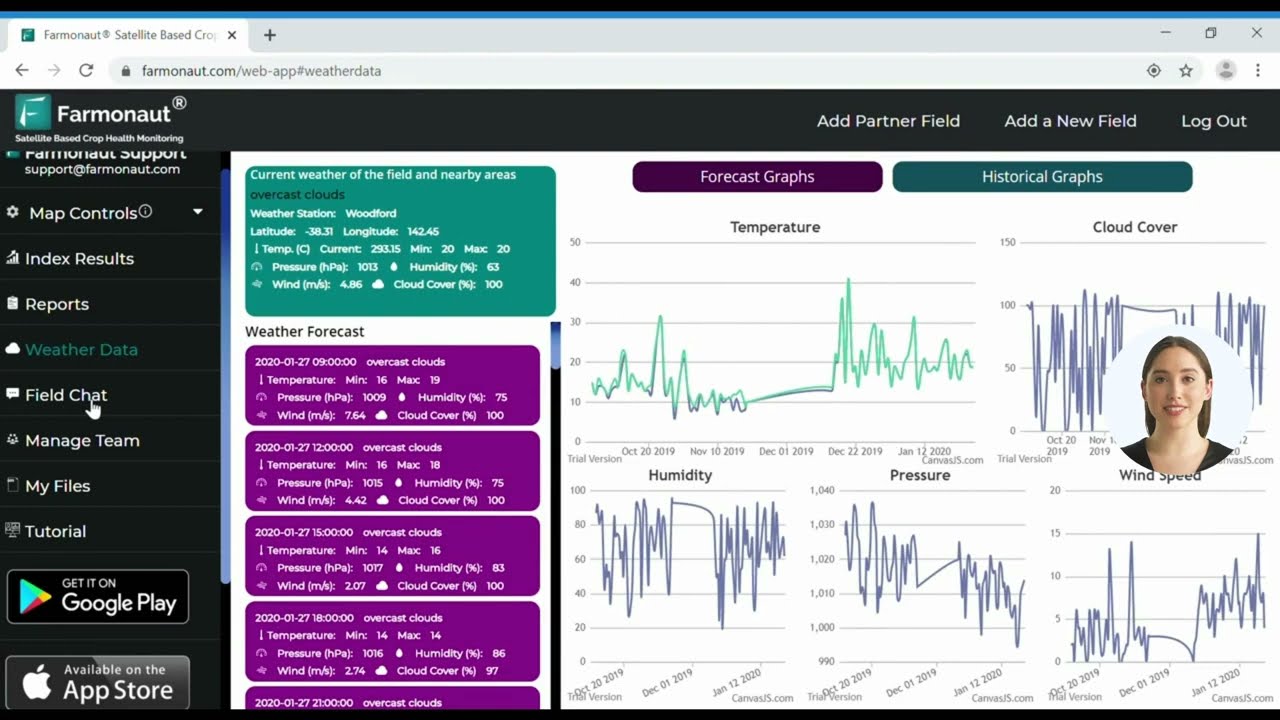
Every threshold number above is useless without scouting to compare against it. Weekly sweep-net sampling in alfalfa, or root-zone checks in flooded rice, is the labor-intensive part of weevil control insecticide decisions — and it’s also the part satellite monitoring can shortcut. Crop stress from weevil feeding often shows up in NDVI imagery before it’s visible from the field edge, giving a earlier flag for where to walk and sample first rather than scouting a whole field uniformly.
- Farmonaut Traceability Tools — satellite-based NDVI and soil moisture layers highlight stressed zones to prioritize for sweep-net or visual scouting.
- Farmonaut’s admin platform — coordinates scouting and spray records across multiple fields or a cooperative.
- Crop growth stage tracking — pest pressure risk shifts by growth stage, so knowing where each field sits helps time scouting visits.
Weevil Treatment Cost Calculator
Enter your field size, sweep-net larvae count, and treatment choice to see whether you’re over the economic threshold and what the treatment is likely to cost.
Run your own numbers
Assumptions: threshold is 20 larvae/sweep OR 30% tip damage, per UC IPM and Pacific Northwest Pest Management Handbooks. Spinosad cost/efficacy from Ohio State University Extension. This calculator covers alfalfa weevil only — it excludes rice water weevil, boll weevil, and synthetic insecticide pricing, which are not centrally published; get a current quote from your local input retailer or Extension office for those.
Weevil-Resistant Crop Varieties
Genetic resistance is a durable, low-input answer to “how do you get rid of weevils” that compounds every season instead of resetting each spring. Breeding programs in alfalfa, rice, and cotton have produced lines with reduced susceptibility to Hypera postica, Lissorhoptrus oryzophilus, and Anthonomus grandis respectively, generally selecting for thicker leaf cuticle or altered flowering timing that shifts vulnerable growth stages away from peak weevil activity. Contact your state’s Cooperative Extension or land-grant university variety trial program for which resistant lines are recommended in your region — this changes by state and growing zone, so a national list would be out of date by the next planting season regardless of when it was written.
For research farms tracking resistant-variety performance against pest pressure across multiple sites, Farmonaut’s API integrates satellite crop-health data with trial records. Access it directly at sat.farmonaut.com/api.

Avoiding Insecticide Resistance
Weevil control insecticide overuse is what turned boll weevil into a $15 billion historical problem in the first place — before eradication, repeated spraying with the same chemical classes bred resistant populations that required ever-higher doses. The fix that worked at scale was coordinated, threshold-triggered application plus rotation of chemical classes, not more frequent spraying. Apply the same logic at the farm level:
- Never apply insecticide below the documented threshold (20 larvae/sweep or 30% damage for alfalfa weevil) — off-threshold spraying only accelerates resistance without adding yield protection.
- Alternate chemical classes between seasons rather than defaulting to the same product.
- Pair chemical control with at least one cultural or biological practice every season, so insecticide isn’t the sole selection pressure on the population.
How Farmonaut Supports Weevil Management
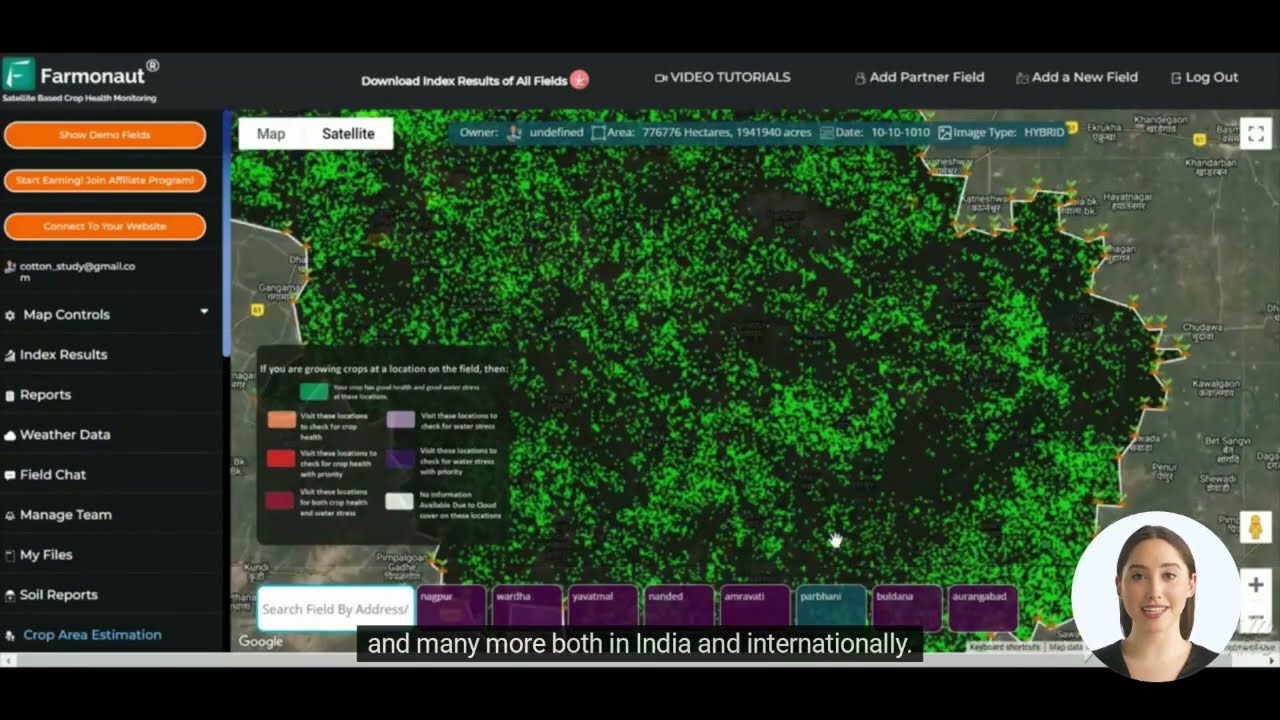
- Satellite crop health monitoring: NDVI and soil moisture layers flag stressed zones for targeted scouting, narrowing where sweep-net sampling needs to happen first.
- Product traceability: Logs every pest management action for supply-chain and residue-compliance records — see the traceability platform.
- Fleet management: Coordinates spray equipment timing across a farm or cooperative — fleet management details.
- Crop loan and insurance verification: Satellite-based field authentication supports lenders and insurers assessing pest-damage claims — crop loan and insurance tools.
- Broader pest control context: See seven methods for precision pest control beyond weevils specifically.
FAQ: Weevil Control
How do you get rid of weevils in alfalfa specifically?
Scout weekly with a sweep net. If you count 20 or more larvae per 180-degree sweep, or see 30% or more tip-leaf damage, you’re over the treatment threshold per UC IPM. Below that, cut early (7-10 days pre-bloom) instead of spraying — it removes larvae with the forage at no added cost.
How to get rid of weevils naturally, without synthetic insecticide?
Spinosad, an organic-certified spinosyn product, reaches roughly 70% efficacy against alfalfa weevil larvae at about $35/acre per Ohio State University Extension field data. Combine it with early harvest timing and beneficial-insect habitat (flowering field margins) for a fully non-synthetic program.
What kills weevils fastest once you’re over threshold?
For alfalfa weevil over threshold, pyrethroid or organophosphate insecticides give the fastest knockdown, but current per-acre pricing isn’t centrally published — get a quote from your local retailer. For rice water weevil, pyrethroids like lambda-cyhalothrin applied shortly after flooding target adults at their most exposed point.
Weevil control insecticide vs. IPM — which actually works better?
They’re not competing options. The Boll Weevil Eradication Program’s 99.5% eradication rate across 16 million acres combined insecticide, trapping, and cultural control together — and afterward growers used 40-100% less insecticide overall. Insecticide alone without threshold discipline is what drove historical resistance problems.
Are weevils bad enough to justify professional weevil extermination?
For row-crop and forage weevils (alfalfa, rice, cotton), threshold-based on-farm treatment is standard and effective — professional extermination services aren’t typically part of that picture. That service model applies more to structural or stored-grain weevil problems, which this article doesn’t cover in depth; contact your county Extension office for stored-product pest guidance specifically.
Can satellite monitoring replace physical scouting for weevil pest control?
No — it narrows where to scout first by flagging crop stress zones, but the threshold counts (larvae per sweep, percent damage) still require a physical sweep net or field check. Think of it as prioritization, not replacement.
Farmonaut Subscription Plans
Monitor fields, track pest pressure zones, and scale coverage as your operation grows.
Further reading:
The Bottom Line on Weevil Control
Weevil control that works long-term rests on three durable pieces that don’t expire with the season: scout before you spray (20 larvae/sweep or 30% damage is the trigger, not a guess), sequence cultural and biological controls ahead of chemical ones, and rotate chemical classes so this season’s fix doesn’t become next season’s resistant population. The boll weevil program proved the model at national scale — a 99.5% eradication rate and 40-100% less insecticide used afterward — and the same logic scales down to a single field.
- Detect stressed zones early via satellite NDVI before visible field damage sets in
- Scout those zones first, compare against the published threshold, and treat only when justified
- Rotate chemical classes and pair every insecticide season with a cultural or biological practice
- Track every treatment for compliance and supply-chain records

 Bharat Krushi Seva
 Geno
Geno Hayleys Agriculture
 Linx Agritech
 Adinet
 Save Your Soils
 Grandstream Algérie
 XOS Realty
 Geospatial Lab Africa
 Agro La Gándara
 HIPSAC
 ZOL Zimbabwe
 Juligerm
 AdBio
AdBio MISE Maroc
 NWNS
NWNS
