

Table of Contents
- Introduction: Understanding Land Use in India
- Historical Overview & Current Land Use Patterns
- 1. Agricultural Land Use: Dominance & Sustainability
- 2. Forest Cover in India: Preservation & Expansion
- 3. Urbanization’s Impact on Land Use in India
- 4. Wastelands & Degraded Land: Challenges and Reclamation
- 5. Shifting Cultivation in India: Evolving Patterns
- 6. Land Reforms and National Policies for Sustainability
- 7. Future Directions: Addressing Sustainability Challenges
- Comparative Land Use Pattern Table (2024): Trends & Solutions
- Farmonaut: Empowering Sustainable Land Management with Technology
- Farmonaut Subscriptions & Pricing
- Frequently Asked Questions (FAQ)
- Conclusion: The Path Forward for Land Use in India
“India’s forest cover increased by 1,540 sq km between 2019 and 2021, reaching 24.62% of total land area.”
Land Use Pattern in India: 7 Key Sustainability Trends

India’s land use pattern represents a fascinating interplay of geographical diversity, historical practices, and rapidly evolving socio-economic factors. As one of the world’s largest and most diverse countries, land use in India encompasses everything from dense tropical forests and extensive agricultural lands to rapidly growing urban centers and significant wastelands in need of reclamation.
Understanding these land use patterns is essential for addressing the intricate challenges connected with agriculture, forestry, urban growth, environmental sustainability, and land management policies. With a burgeoning population, rising food security concerns, and mounting pressures on natural resources, India’s approach to land use will shape its future development, ecological stability, and prosperity.



Historical Overview & Current Land Use Patterns in India
India’s present land use patterns are products of both historical changes and contemporary pressures. Traditional land management was influenced by the region’s geographic diversity—from the Indo-Gangetic plains’ fertile soils to the arid Deccan Plateau and the forested northeastern hills. Colonization, land revenue systems, and post-independence reforms brought dramatic shifts, affecting how lands are utilized for agriculture, forestry, urban development, and other purposes.
Today, India’s total geographical area is approximately 328.7 million hectares. The country is home to rich ecological zones and supports a population exceeding 1.42 billion. Effective and sustainable land management is crucial to ensure food security, environmental conservation, and inclusive economic progress.
Breakdown of Key Land Use Categories
- Agriculture: Covers around 60.4% of the total area; includes both sown crop fields and fallows.
- Forest Lands: Account for about 21.71% of land, including tropical, subtropical, and temperate forest types.
- Urban & Non-Agricultural Use: Growing urbanization encroaches on farmland and forests.
- Wastelands: Barren, uncultivable, and degraded lands constitute roughly 5% of India’s area.
- Others: Includes grasslands, permanent pasture, plantation forests, and miscellaneous lands.
“Over 60% of India’s land is used for agriculture, making it one of the world’s largest agricultural economies.”
1. Agricultural Land Use: Dominance & Sustainability in India
Agricultural land patterns form the backbone of India’s economy and rural society. Agriculture is the predominant activity, representing around 60.4% of the nation’s land area. The Net Sown Area (NSA)—the portion actively sown with crops during a year—covers approximately 141.58 million hectares, accounting for about 46% of the total reporting area. This immense scale supports a diverse array of crops, including staple grains like rice and wheat, pulses, oilseeds, fruits, vegetables, and major cash crops such as sugarcane and cotton.
Key Features of India’s Agricultural Land Use
- Geographical Diversity: Different regions cultivate varied crop types suited to local soil, climate, and historical practices.
- Multiple Cropping: Many farmlands are sown two or more times a year, maximizing productivity but sometimes leading to soil degradation challenges if not managed sustainably.
- Irrigation: As of 2018, about 37% of cropland is irrigated, with ongoing efforts to increase this share for enhancing resilience against monsoon variability.
- Increasing Urbanization Pressure: Urbanization is steadily encroaching on prime agricultural lands, reducing the net sown area in peri-urban zones.
For sustainable land management in agriculture, integrating new tools and technologies is essential. Data-driven approaches, as offered by satellite and AI systems, enable farmers to monitor crop health, optimize resources, and limit environmental damage.

Major Crops and Regional Patterns
- Rice: Grown extensively in West Bengal, Assam, eastern Uttar Pradesh, Tamil Nadu, Andhra Pradesh, and Odisha; requires ample water and fertile alluvial/loamy soils.
- Wheat: Cultivated mainly in the Indo-Gangetic plains (Punjab, Haryana, western Uttar Pradesh, Madhya Pradesh).
- Pulses: Spread across semi-arid areas—Madhya Pradesh, Rajasthan, Maharashtra.
- Cash Crops: Sugarcane (Uttar Pradesh, Maharashtra), cotton (Maharashtra, Gujarat, Telangana), jute (West Bengal, Assam), and spices (Kerala, Karnataka).
Emergent Trends: Sustainability Initiatives in Indian Agriculture
- Agroforestry Practices:Integrating trees with crops and livestock (agroforestry) enhances resilience, soil fertility, and productivity. The National Agroforestry Policy launched in 2014 supports this approach.For example, farmers can plant nitrogen-fixing trees along field boundaries or intercropped plots to enrich soils and provide fuelwood, fodder, and timber—a win for economic and environmental sustainability.
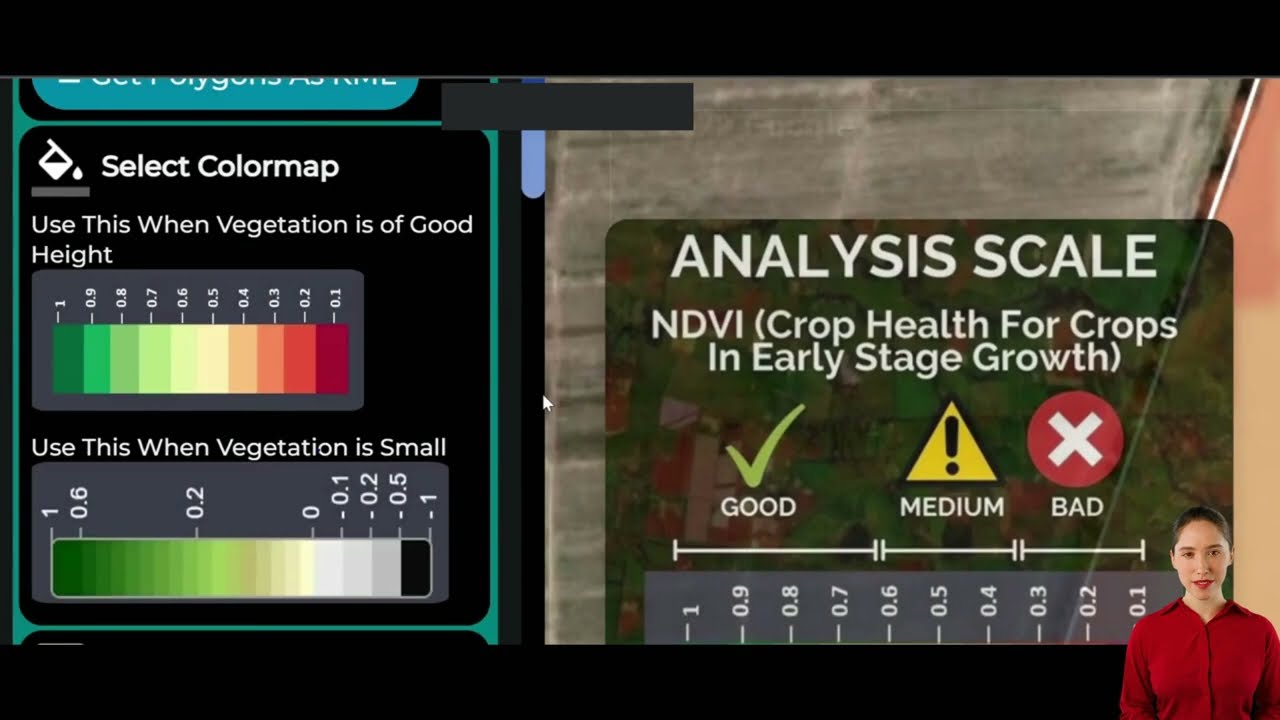
- Precision Agriculture & Data Solutions:Technologies such as Farmonaut’s satellite-based monitoring and AI-driven advisory help farmers monitor vegetation health, soil moisture, and optimize fertilizer use, aligning with sustainable land management and conservation agriculture.Farmonaut’s Large-Scale Farm Management suite empowers users to maximize crop yield and streamline plantation and resource management through real-time satellite insights.
Soil Degradation Challenges
- Overuse of Chemicals & Fertilizers: Impacts soil fertility and health if not managed with precision.
- Excessive Irrigation: Contributes to waterlogging and salinity, especially in the northwestern plains.
- Monoculture: Can undermine biodiversity and degrade the topsoil over time.
2. Forest Cover in India: Preservation & Expansion Trends
India’s forests are vital for biodiversity, climate regulation, and the well-being of millions who depend on forest resources. As of latest estimates, forest cover in India constitutes about 21.71% of the country’s geographical area, or nearly 80.9 million hectares. These forests are categorized into various types—such as tropical wet evergreen, tropical moist deciduous, subtropical broadleaved hill forests, and more.

Distribution and Regional Variations
- Madhya Pradesh: Holds the largest forest area in the country, with vast tracts of central Indian forests.
- Mizoram: Leads in terms of forest cover percentage (~84.53% of state area), reflecting the rich biodiversity of the Northeast.
- Other Notable States: Arunachal Pradesh, Chhattisgarh, Odisha, Maharashtra, and Kerala have extensive forested zones.
Key Forest Types in India
- Tropical Wet Evergreen
- Tropical Moist Deciduous
- Subtropical Broadleaved Hill Forests
- Dry and Moist Deciduous Forests
- Montane Temperate Forests
Trends & Opportunities
- Afforestation and Social Forestry: Government-driven efforts focus on increasing tree cover—notably through afforestation on barren and wastelands, and social forestry programs involving local communities.
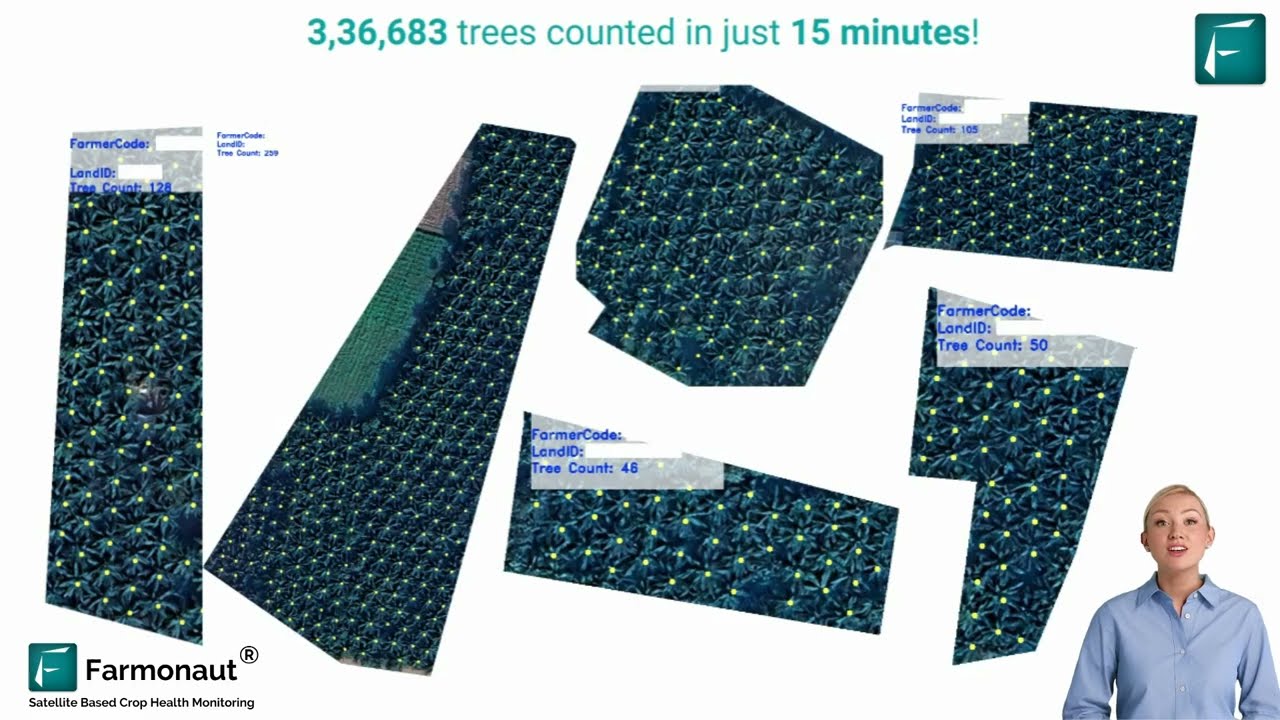
- Satellite Monitoring for Forest Management: Real-time satellite monitoring tools, such as those provided by Farmonaut’s Crop Plantation & Forest Advisory, help track forest health, illegal logging, and support conservation.
- Ecological Restoration: Planting native species, restoring degraded forest areas, and community-led conservation are crucial strategies.
Forest Conservation Challenges
- Urbanization and agricultural expansion encroaching on forest lands.
- Soil degradation and biodiversity loss due to shifting cultivation and unregulated harvesting.
- Illegal logging, forest fires, and inadequate enforcement of policies.
- Climate change stressors affecting forest ecosystems and water cycles.
The focus remains on sustainable land management through a blend of policy, technology, and community engagement.
3. Urbanization’s Impact on Land Use in India
Urbanization impact on land is one of the most significant challenges in contemporary India. Rapid development, coupled with a growing population, has substantially expanded the urban footprint. Cities are now encroaching upon fertile agricultural land as well as forest fringes—reshaping the landscape and intensifying competition for land resources.
Key Urban Land Use Patterns
- Urban Expansion: Metros and rapidly developing towns (Delhi NCR, Mumbai, Bengaluru, Hyderabad, Chennai) are expanding into suburban and rural peripheries. As of recent data, about 52.6% of India’s total land area is classified as arable, but this is steadily shrinking due to urban encroachment.
- Infrastructure Development: Building of highways, industrial zones, mega townships, and commercial hubs rapidly consumes arable lands, forests, and even wetlands.
- Conversion of Forest & Farmland: The frequent conversion of these lands to make way for housing, offices, and roads results in lost biodiversity, water scarcity, and increased disaster vulnerability.
- Irrigated Croplands: In 2018, approximately 37% of cropland is irrigated, underscoring the importance of managing water resources, especially as land transitions out of agriculture.
Sustainability Solutions: Smart Land & Urban Planning
- Urban Green Spaces: Inclusion of parks, forests, and green corridors to counteract heat islands, promote biodiversity, and enhance urban resilience.
- Efficient Land Zoning: Protecting agricultural and forest area at city fringes by strict enforcement of zoning policies.
- Technology Integration: Utilizing Farmonaut’s Fleet Management for optimizing logistics, reducing costs, and mitigating emissions in large urban and peri-urban agricultural regions.
Urbanization and Soil Degradation
Soil sealing (conversion to concrete) and removal of topsoil undermine not only agricultural productivity but also urban stormwater management and groundwater recharge.
Urban Expansion & Sustainable Resource Use
Integrated land-use planning and incentives for vertical development (rather than sprawl) are advocated to minimize the environmental impact and safeguard remaining agricultural and forest lands.
4. Wastelands & Degraded Lands: Challenges and Reclamation Strategies
Wastelands and degraded lands represent a unique category in India’s land use mosaic. These include barren, uncultivable, and degraded areas, which constitute around 5% of national land. While these lands pose significant environmental challenges, they are also prime areas for reclamation and productive transformation.
Types of Wastelands
- Barren rocky lands
- Salt-affected soils
- Eroded riverine tracts
- Degraded forests and former mining sites
Wasteland Reclamation Strategies
- Afforestation: Large-scale planting of native or commercially valuable tree species can transform wastelands into productive forests, providing environmental and economic benefits.
- Sustainable Agroforestry: Deploying mixed-use systems that combine trees, crops, and sometimes livestock on the same plot restores soil health and generates diversified income.
- Soil Reclamation Techniques: Application of organic amendments, biofertilizers, and microbial consortia to improve eroded or saline soils.
- Community-based Social Forestry: Programs involving local communities in the transition of degraded lands into productive commons.
Successful examples of wasteland reclamation can be found throughout Rajasthan, Gujarat, Uttar Pradesh, and southern peninsular states. These models act as blueprints for sustainable land management and rural economic development.
Utilizing Technology for Transformation
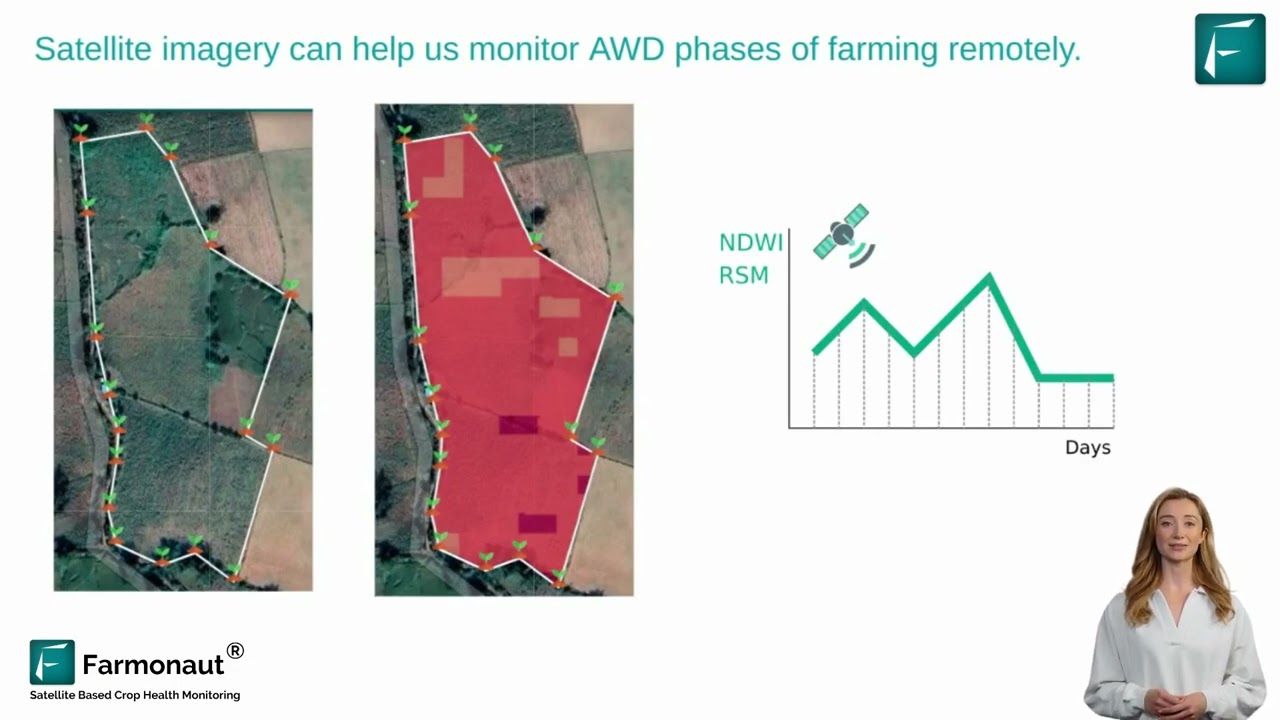
- Satellite monitoring and data analytics, such as those integrated into the Farmonaut Carbon Footprinting module, enable precise measurement of land transformation and the environmental impacts of reclamation activities.
- Farmonaut’s API and Developer Docs facilitate access to rich satellite and weather data for agronomists and land managers, supporting evidence-based wasteland restoration.
Challenges in Wasteland Management
- Land tenure and property rights complications.
- Limited incentives for private sector and community involvement.
- Need for continuous monitoring and maintenance post-rehabilitation.
5. Shifting Cultivation in India: Evolving Patterns and Sustainability Concerns
Shifting cultivation India, locally known as Jhum or slash-and-burn farming, is characteristic of the northeastern states—notably Assam, Meghalaya, Nagaland, and Mizoram. Traditionally, this practice involves clearing plots of forest using slash-and-burn methods, cultivating them for a few years, and then moving to a new plot to allow for natural regeneration.
Traditional Merits & Ecological Impacts
- Cultural Relevance: Shifting cultivation is deeply tied to indigenous knowledge, community traditions, and local food security.
- Ecological Concerns: The practice becomes unsustainable when fallow periods are shortened, leading to forest loss, soil erosion, and decline in soil fertility.
Modern Sustainability Challenges
- Population pressure reduces time for soil regeneration between cycles.
- Expansion of shifting cultivation into previously undisturbed forests.
- Diminishing productivity and rising food insecurity in affected regions.
Current national land use policies prioritize the transition toward permanent agroforestry practices and regulated rotational farming, providing both environmental protection and alternative livelihoods for tribal communities.
Transitioning to Sustainable Systems
- Agroforestry: The integration of trees and traditional crops can replicate the benefits of shifting cultivation (biodiversity, nutrient cycling) while minimizing deforestation and soil degradation challenges.
- Remote Sensing and Advisory Tools: Real-time satellite-based advisory—like Farmonaut’s Jeevn AI and crop health analytics—support informed decision-making for sustainable cultivation and landscape restoration.
6. Land Reforms and National Land Use Policies for Sustainability
The evolution of national land use policies and land reforms has profoundly impacted land management and land price dynamics in India. These interventions aim to address challenges like inequitable land distribution, inefficient land records, fragmentation, unsustainable farming, and environmental degradation.
Major Policy Milestones
- Land Ceiling and Tenancy Reforms: Post-independence laws to limit maximum land holdings, ensure secure tenancies, and redistribute surplus land.
- National Agroforestry Policy 2014: First such policy in the world, seeking to integrate trees, crops, and livestock on the same plot, enhance productivity, and increase carbon sequestration.
- Social Forestry Initiatives: Large-scale afforestation and village woodlot creation aimed at empowering communities, increasing green cover, and meeting rural fuel/fodder needs.
- Digital Land Records Modernization: Ongoing effort to digitize land records, reduce fraud, and simplify transactions.
- Promotion of Alternate and Organic Farming: Government and NGOs increasingly promote organic agriculture to reduce soil degradation and chemical dependency.
Technology’s Role in Policy Implementation
- Satellite Verification for Loan & Insurance: Farmonaut’s Crop Loan and Insurance verification uses satellite data to streamline lending and insurance, combating fraud and supporting farmer welfare.
- Blockchain & Supply Chain Transparency: Traceability platforms such as Farmonaut Traceability deliver transparent, tamper-proof records of farm produce—critical for compliance and consumer trust.
Key Policy Challenges
- Continued land fragmentation impedes efficient farm management, equipment adoption, and large-scale ecological practices.
- Enforcement gaps in forest protection and restoration regulations.
- Conflicting priorities between rapid development and environmental sustainability at urban-rural interfaces.
7. Future Directions: Addressing Land Use Sustainability Challenges
The future of land use in India depends on our collective ability to align development needs with robust environmental safeguards and innovative technologies. Major challenges facing Indian land management in the coming years include:
- Soil Degradation: Over 30% of India’s land is impacted by severe erosion, nutrient depletion, chemical pollution, and waterlogging.
- Urban Expansion & Encroachment: Cities are projected to house over 50% of the population by 2050, putting increasing pressure on agricultural and forest lands.
- Climate Change: Impacts water availability, crop yields, forest resilience, and disaster risk.
- Water Scarcity: Unsustainable water use in agriculture and urban sectors threatens both present and future productivity.
- Policy Gaps: Bridging the implementation gap in land governance and integrating modern scientific methods with traditional knowledge.
Opportunities for future sustainability include strengthening community forestry, accelerating land restoration projects, mainstreaming agroforestry, and scaling up technology-driven advisories. Data analytics and remote sensing, championed by platforms like Farmonaut, enable decision-makers and communities to act with greater precision and accountability.
Comparative Land Use Pattern Table (2024): Trends & Solutions
| Land Use Category | Estimated % of Total Land (2024) | Change Since 2000 (%) | Sustainability Challenge | Primary Solution/Approach |
|---|---|---|---|---|
| Agriculture (Net Sown & Arable) | 60.4% | -2.8% (Decline) |
Urban encroachment, soil degradation | Sustainable farming, technology adoption, conservation incentives |
| Forest Cover | 21.71% | +2.4% (Increase) |
Deforestation, forest-pasture conflicts | Afforestation, social forestry, remote sensing-based conservation |
| Urban & Built-up Lands | 8.9% | +4.1% (Increase) |
Loss of farmland, increased demand for infrastructure | Smart zoning, green space mandates, vertical expansion |
| Wastelands/Degraded Lands | 5.0% | -1.1% (Decrease, reclamation) |
Low productivity, soil salinity, erosion | Restoration programs, afforestation, sustainable land use |
| Pasture/Grasslands | 2.5% | -0.6% (Decline) |
Grazing pressure, conversion to farms | Managed grazing, silvopasture, fodder cultivation |
| Others (Wetlands, Water Bodies, Misc.) |
1.5% | -0.3% | Encroachment, pollution, climate variability | Integrated watershed management, protection of buffer zones |
Farmonaut: Empowering Sustainable Land Management with Technology
As sustainable land management and real-time decision support become essential for the future of Indian agriculture, Farmonaut stands at the forefront by harnessing the power of satellite imagery, artificial intelligence, and data analytics to transform traditional land-use practices.
Our Mission at Farmonaut
We, at Farmonaut, are committed to democratizing precision farming for everyone—from smallholder farmers and large agribusinesses to government institutions. Our tools enable better monitoring, efficient resource allocation, and a measurable reduction in environmental impact.
How We Help Farmers, Agribusinesses, and Policymakers
- Satellite-Based Crop Health Monitoring: Real-time monitoring of crop conditions (NDVI, soil moisture, stress) helps users make timely interventions and reduces resource wastage.
- Jeevn AI Advisory: AI-powered, personalized advice to improve farm productivity and sustainability in line with changing climate and market dynamics.
- Blockchain Traceability: Ensures safe, transparent, and fraud-proof tracking for supply chain actors and consumers alike.
- Fleet and Resource Management: Plan and optimize agricultural operations, logistics, and equipment movement.
- Carbon Footprinting: Understand, monitor, and minimize emissions—supporting sustainable practices and compliance.
- Accessible Technology: Use our solutions via Android, iOS, web app, or integrate them with your own platforms using our robust API and Developer Docs.
Product Solutions for Land Use Challenges
- Carbon Footprinting: Track, measure, and reduce the environmental impact of your farming and plantation activities.
- Product Traceability: Assure consumers and partners of the provenance and quality of agricultural produce.
- Fleet Management: Streamline machine and vehicle movement, minimize costs, and reduce emissions.
- Crop Loan & Insurance: Simplify crop loan and insurance verification with satellite-based analysis.
- Large-Scale Plantation & Forest Advisory: Ideal for plantation enterprises, cooperatives, and government agencies overseeing vast tracts of land.
Why Choose Farmonaut?
- Cost-Effective: No need for expensive hardware. Our satellite-driven insights are affordable for all farm sizes.
- Scalable & Flexible: Solutions for individual farmers as well as large entities, with pay-as-you-use pricing.
- Data Security: All information is securely stored and managed, including supply chain data on blockchain for traceability.
- 24/7 Accessibility: On the ground or remote—manage your farm or plantation from anywhere using our apps.
Farmonaut Subscriptions & Pricing
Explore flexible subscription packages designed for all scales of agricultural and forestry operations:
Frequently Asked Questions (FAQ) – Land Use Pattern in India
Q1. What is the current land use pattern in India?
India’s land use pattern is dominated by agriculture (approx. 60.4%), followed by forests (21.71%), urban and built-up areas, wastelands, pastures, and miscellaneous land types. These patterns reflect a mix of traditional practices, recent urbanization, ecological initiatives, and government reforms.
Q2. Why is sustainable land management important for India?
Sustainable land management ensures productive use of land without compromising ecosystem health. It’s crucial for food security, preventing soil degradation, maintaining forest cover, and meeting the needs of a growing population and economy.
Q3. What are wastelands and how can they be reclaimed?
Wastelands are unproductive, barren, or degraded lands. Reclamation involves afforestation, agroforestry practices, soil amendment, and sustainable water management, often supported by community participation and modern technology solutions.
Q4. How is technology helping Indian agriculture adapt to current land use challenges?
Technologies like satellite-based monitoring (NDVI, soil moisture), AI-driven advisory platforms, and data analytics (e.g., provided by Farmonaut) empower timely decision-making, precision farming, and improved resource utilization, minimizing negative environmental impact.
Q5. What role do policies and reforms play in shaping land use?
Policies—such as the National Agroforestry Policy, land tenure reforms, digital land records, and afforestation schemes—offer frameworks for equitable, productive, and sustainable land use. Implementation and enforcement remain critical for success.
Q6. What is shifting cultivation and where is it practiced in India?
Shifting cultivation (Jhum) is a traditional practice in northeastern states like Assam, Meghalaya, Mizoram, and Nagaland. It involves clearing and temporarily cultivating forest plots, then moving to new plots after a few years. Shortened cycles have led to ecological challenges.
Q7. Where can I access advanced tools for monitoring land use and crop health?
Modern platforms like Farmonaut offer mobile/web apps and APIs for real-time satellite- and AI-based monitoring of crop, forest, and wasteland health. These tools support data-driven, sustainable land management.
Conclusion: The Path Forward for Land Use in India
India’s land use patterns are shaped by a delicate balance between age-old traditions, technological advances, government reforms, and rising demands of modern development. Maintaining this balance is vital as we strive to ensure food security, ecological well-being, rural prosperity, and urban sustainability.
Through informed policy-making, adoption of sustainable land management, and integration of breakthrough technologies, India can overcome existing challenges—restoring degraded lands, safeguarding forest cover, and promoting responsible agricultural and urban expansion. With new-generation solutions, such as satellite-based monitoring and data-driven advisory (like those offered by Farmonaut), we have the opportunity to lead the way in crafting a resilient, sustainable, and prosperous future for India’s land and its people.

 Adinet
 Save Your Soils
 YelloSkye
 GalaxEye Space
 Grandstream Algérie
 XOS Realty
 Geospatial Lab Africa
 Agro La Gándara
 HIPSAC
 ZOL Zimbabwe
 Juligerm
 AdBio
AdBio MISE Maroc
 NWNS
NWNS Red August Group
 Farm Inc
 WeMe Global
 Agrotoken
 Blue BearX
 Insignito
