

Recent Developments in Indian Agriculture 2025: Top Trends
“By 2025, over 60% of Indian farmers are expected to adopt digital farming tools for crop management.”
- Summary: Transforming the Sector for a Sustainable Future
- Digital Agriculture and Precision Farming
- Climate-Resilient Farming Practices
- Sustainable and Organic Farming Practices
- Mechanization and Rural Infrastructure
- Farmer Empowerment and Policy Support
- Biotechnology and Innovation
- Comparative Trends Table: 2025 Agriculture Developments
- The Role of Farmonaut in Indian Agriculture’s Transformation
- Frequently Asked Questions
- Conclusion: Building a Sustainable Future for Indian Agriculture



Summary: Recent Developments in Indian Agriculture 2025 – Transforming the Sector for a Sustainable Future
The agriculture sector in India has always been the backbone of the nation’s economy, supporting millions of livelihoods and feeding a rapidly growing population. As we enter 2025, recent developments in Indian agriculture are progressing at an unprecedented pace, driven by the government’s unwavering focus on technology integration, sustainability, and farmer welfare. The recent developments in Indian agriculture 2025 revolve around the integration of digital farming tools, resilient crop varieties, sustainable organic practices, and advanced mechanization. These trends reflect India’s determination to modernize its agricultural landscape, enhance productivity, improve resilience to climate change, and ensure better income outcomes for its farmers.
In this comprehensive post, we explore the top agriculture developments 2025, including digital agriculture, precision farming, sustainable practices, biotechnology, infrastructure expansion, and more. This information is a must-read for every stakeholder in agriculture, from policymakers to farmers, technology enthusiasts, and agri-business professionals.

“Sustainable agriculture practices in India are projected to increase by 40% between 2023 and 2025.”
Digital Agriculture and Precision Farming: Recent Developments in Indian Agriculture 2025
The adoption of digital technology is one of the most significant trends driving recent developments in Indian agriculture. In 2025, IoT-enabled sensors, drones, satellite imaging, and mobile-based apps have become vital tools for Indian farmers, enabling smarter decision-making, reducing input costs, and enhancing yields.
- Soil Health Monitoring & Assessment: Real-time soil health data, powered by affordable sensors and satellite imaging, enables precise application of fertilizers and water, promoting optimal plant growth and reducing input waste.
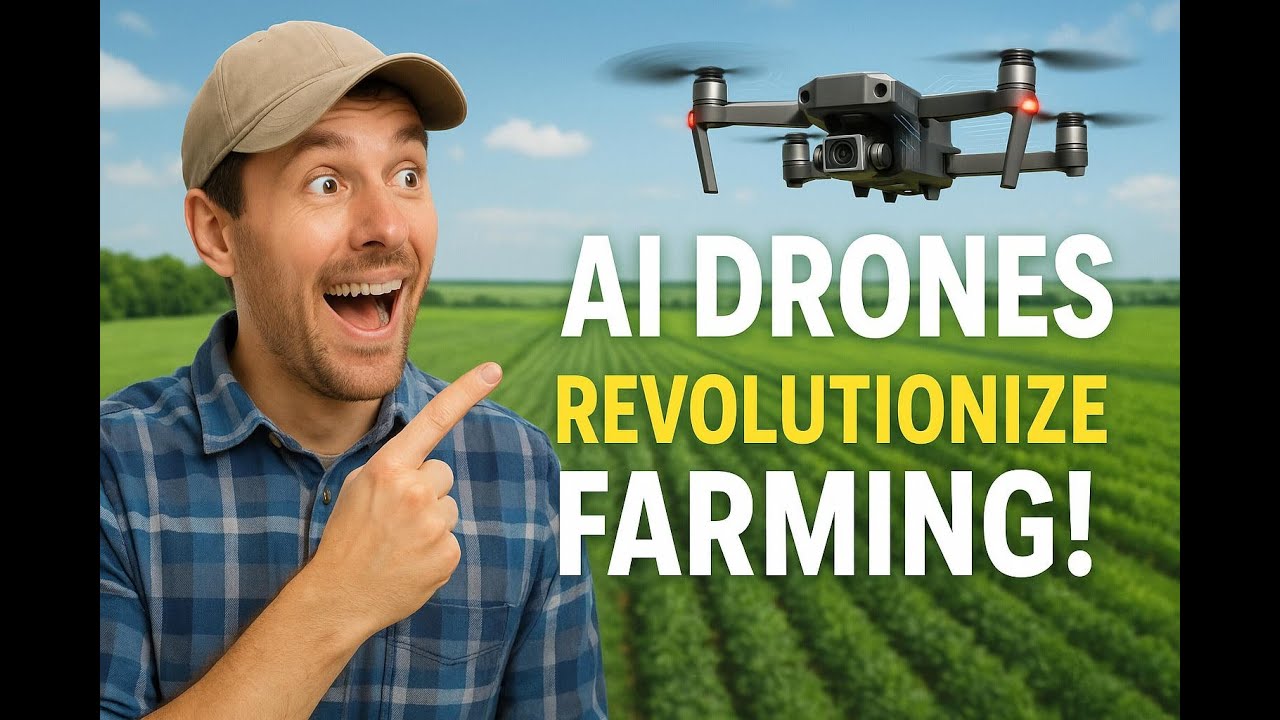
- Drone-Assisted Field Management: Drones equipped with multispectral cameras are used to quickly identify pest infestations, nutrient deficiencies, and irrigation needs across large farmlands, ensuring timely interventions and reducing crop losses.
- Satellite-Based Crop Monitoring: Startups and tech platforms make devices and analytics accessible to even small and marginal farmers, delivering actionable insights on seed-sowing, crop growth patterns, and disease outbreaks.
- Data-Driven Input Optimization: Platforms leverage the collected field data to guide farmers on the optimum usage of seeds, water, fertilizers, and pesticides, minimizing operational costs and environmental impact.
A key government initiative, the e-NAM (National Agriculture Market) platform, has grown into a robust digital marketplace, integrating over a thousand mandis and enabling farmers to access better price discovery, connect directly with buyers, and reduce their dependence on traditional intermediaries.
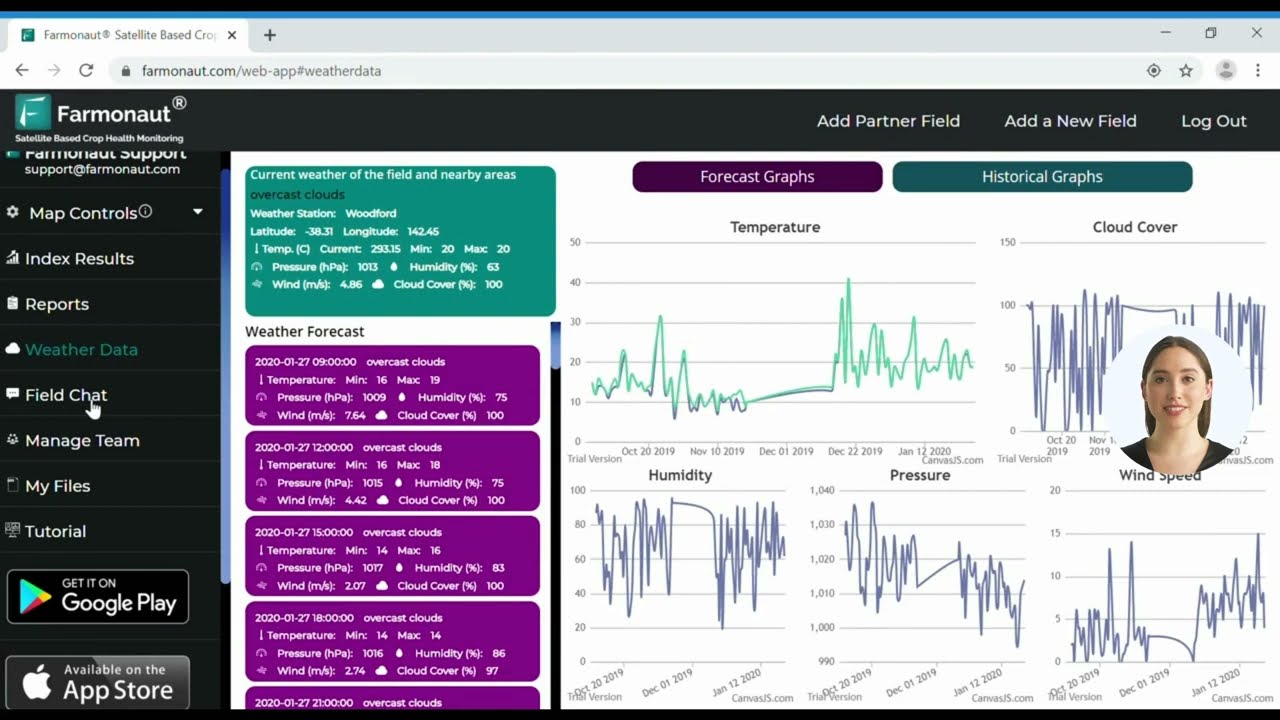
Farmonaut for Precision Crop Monitoring & Advisory
At Farmonaut, we empower Indian agriculture with affordable and accessible satellite-driven monitoring. Our satellite-based platform equips Indian farmers, agri-businesses, and government agencies with:
- Real-time crop health and soil moisture data
- AI-based yield predictions and advisory
- Actionable weather forecasts and resource management tools
This drastically improves large-scale farm management efficiency and scalability for both individual farmers and agri-enterprises, ushering in a new age of sustainable, technology-driven farming practices in India.
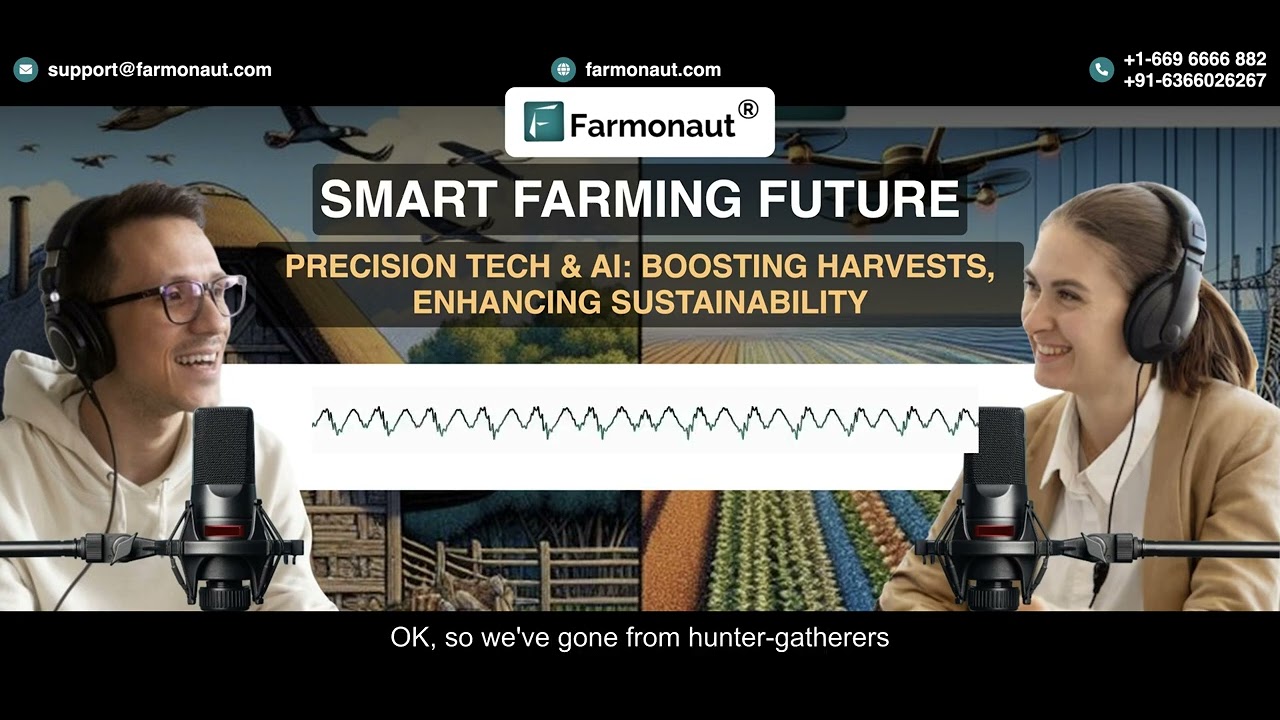
Focus Keyword: recent developments in Indian agriculture 2025 naturally appears as we discuss India’s journey towards a data-powered agricultural future. As access to affordable digital devices spreads and more farmers integrate precision technologies, the backbone of India’s economy grows more resilient and productive.
Climate-Resilient Farming Practices: Addressing Climate Change in Indian Agriculture
Climate change remains one of the top challenges for Indian agriculture, with increasing weather volatility—droughts, heatwaves, and unseasonal rains—threatening crop yields. In response, government and research initiatives have accelerated the adoption of climate-resilient practices:
- Drought and Flood-Resistant Crop Varieties: Scientific institutions have bred drought-tolerant rice, millets, and pulses, as well as flood-resistant paddy, distributing such seeds across the states most exposed to climate risk.
- Agroforestry Systems & Diversified Cropping: Agroforestry—integrating fruit, timber, and shade trees within farmland—increases biodiversity, stabilizes the microclimate, and diversifies farmers’ income sources.
- Water Conservation Techniques: The expansion of micro-irrigation, drip, and sprinkler systems, along with solar-powered pumps, has been heavily subsidized in 2025 by the government to save water and energy and improve irrigation efficiency.
- Weather Advisory Platforms: New-age digital advisory platforms and apps offer region-specific weather forecasting and drought warnings, allowing farmers to time their sowing, irrigation, and harvests precisely.
Farmonaut’s Satellite-Based Crop & Weather Monitoring: Supporting Climate Resiliency
We at Farmonaut make climate-smart data-driven farming accessible at scale. Through satellite imaging, our users receive:
- Regular updates on soil moisture, crop growth, and health
- Environmental impact and carbon footprint tracking to measure sustainability efforts and support green farming initiatives
- Actionable weather alerts region by region for timely agricultural planning
Farmers and agri-organizations leverage these insights to adapt crop plans, conserve resources, and protect their income against climate risks.
Sustainable and Organic Farming Practices: From Trend to Mainstream in Indian Agriculture
The rise of sustainable and organic farming is one of the most impactful recent developments in Indian agriculture 2025. Driven by:
- Increased consumer demand for chemical-free food
- Export opportunities for Indian organic produce
- Government support via policies, incentives, and training
- Growing awareness among Indian farmers of long-term soil and ecological health
The area under organic cultivation and natural farming has grown rapidly, with clusters emerging in states such as Sikkim, Uttarakhand, and Maharashtra. Many farmers are transitioning away from chemical pesticides and fertilizers to practices like:
- Vermi-composting, green manuring, and integrated pest management (IPM) to nourish and protect crops naturally.
- Biofertilizers and biopesticides usage to maintain environmental sustainability.
- Community-based certification schemes to make organic food traceable and boost farmer incomes.
Agroforestry—the integration of trees and crops on the same land—has become mainstream in Indian agriculture for its dual benefits: enhancing biodiversity and securing additional farm revenues.
Our platform supports traceability for sustainable supply chains; learn more at Farmonaut Traceability—a blockchain-based tool for food and produce transparency, trusted by farmers and agri-businesses striving for eco-friendly growth.
Mechanization and Rural Infrastructure: Next-Gen Agriculture in 2025
Addressing labor shortages and boosting farm efficiency has driven the top agriculture developments 2025 in mechanization. Government schemes and startup-led innovation have brought about:
- Custom hiring centers and low-cost rental models: Small and marginal farmers access tractors, planters, harvesters, and threshers on demand, reducing capital burden.
- Solar-powered & electric farm machinery: There is increasing adoption—fueled by subsidies—of clean-energy tractors and irrigation pumps, saving fuel costs and promoting sustainability.
- Expansion of logistics and infrastructure: Big strides in rural road development, irrigation canals, cold storages, and warehousing. These upgrades minimize post-harvest losses, protecting farmers’ incomes and bolstering food security.
Improved infrastructure is crucial for timely market access, price stabilization, and quality preservation in India’s vast and diverse agricultural sector.
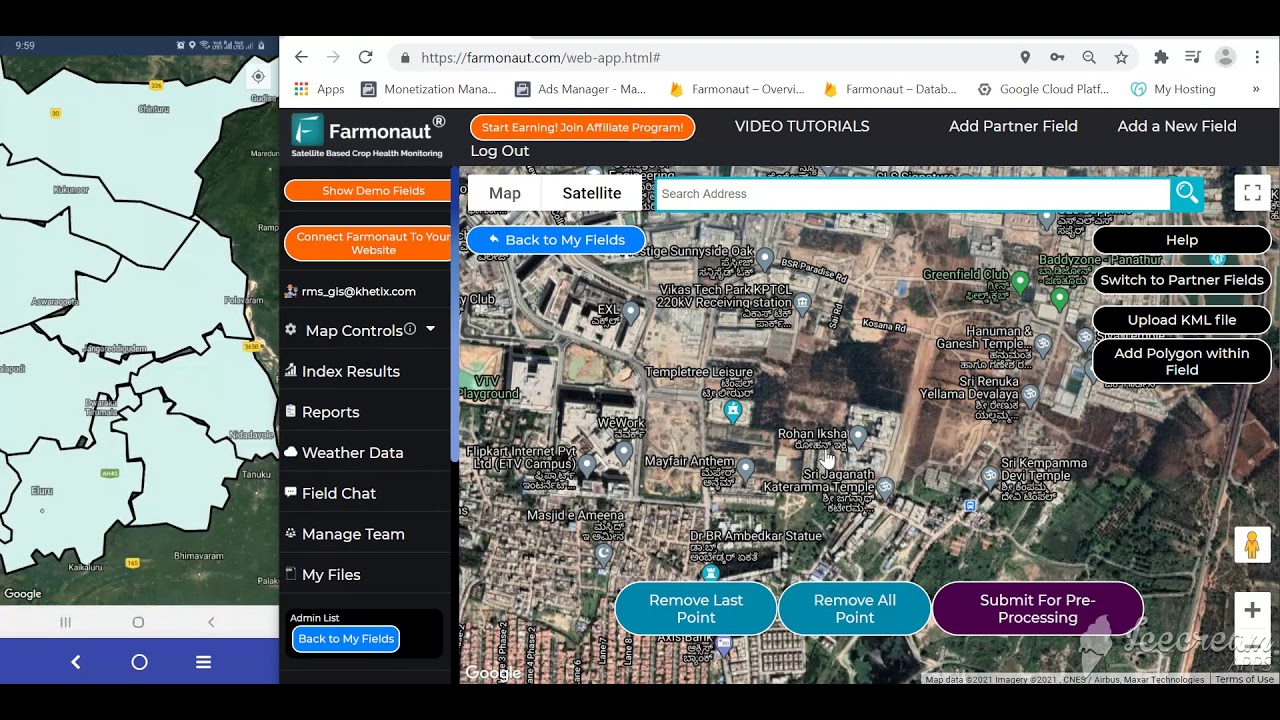
Farmonaut’s Fleet & Resource Management Solutions
Our fleet management tools help agribusinesses and farming cooperatives track and optimize machinery, transportation, and logistics, reducing operational costs and promoting efficient rural connectivity.
Our platform also aids in large-scale farm planning. Find out more at our Large Scale Farm Management page.
Farmer Empowerment & Policy Support: Knowledge, Credit & Inclusion
Empowering farmers with timely information and financial tools is central to recent developments in Indian agriculture:
- Localized Krishi Vigyan Kendras (KVKs): These centers improve extension services and deliver regular crop, pest, and weather advisories through both offline and digital modes.
- Digital Extension Services: Web and mobile apps deliver up-to-date agronomy advice, promoting the widespread adoption of best practices among India’s farmers.
- Financial Inclusion: The Kisan Credit Card scheme in 2025 boasts more flexible credit limits and streamlined approval, extending short-term loans to more small and marginal farmers.
- Crop Insurance: Enhanced digital verification and quick claim settlement processes secure farmers’ incomes against natural calamities, crop diseases, and market price shocks.
- Promotion of Collective Farming: Cooperatives and Farmer Producer Organizations (FPOs) enable smallholders to pool resources and access better inputs, markets, and technology.
Learn how Farmonaut supports crop loan and insurance with satellite-based verification—cutting fraud for lenders and improving access for farmers.

Biotechnology & Innovation: The Next Leap in Indian Agriculture
In 2025, biotechnology and digital innovation have begun reshaping cropping and protection strategies in Indian agriculture:
- Gene-Edited & Biotech Crops: Research-approved gene-edited varieties are entering fields—delivering increased pest resistance, better nutrient usage, and adaptability to changing weather patterns.
- Biofertilizers & Biopesticides: These solutions help reduce the chemical load in Indian farming, supporting both yield and environmental goals.
- AI & Machine Learning: Advanced algorithms analyze massive data—from farm sensors, satellites, and IoT—to predict crop disease, pest outbreaks, and market price volatility, helping Indian farmers make smart, timely interventions.
See how AI and satellite data enable personalized crop plantation and forest advisory.

Comparative Trends Table: Top Agriculture Developments 2025
| Development/Technology | Estimated Adoption in 2025 (% of farms) | Key Benefits | Challenges/Limitations |
|---|---|---|---|
| Digital Farming Platforms (e.g., mobile apps, satellite monitoring) | 60% | Data-driven decisions, better input efficiency, real-time advisory, higher yields | Digital literacy, rural connectivity, affordability for all farmers |
| Precision Irrigation and Water Management | 40% | Significant water savings, improved drought resilience, lower energy costs | Initial investment, maintenance, training required |
| Biotech Seeds and Gene Editing | 25% | Better pest/weather resilience, increased productivity, less chemical input | Regulatory hurdles, access for smallholders, public perception |
| Sustainable & Organic Practices | 35% | Soil health protection, chemical-free food, premium market value | Conversion period, certification costs, yield consistency |
| AI, IoT, and Drone Solutions | 45% | Accurate pest management, less waste, faster disease detection | Technology access, user training, investment |
| Mechanization & Solar Machinery | 50% | Labor efficiency, higher acreage coverage, reduced fuel use | Cost barriers, custom hiring logistics, repair services |
| Blockchain-Based Traceability | 15% | Food safety, export market access, fraud reduction | Scalability, farmer participation, digital documentation |
The Role of Farmonaut in Indian Agriculture’s Transformation
As India modernizes its agriculture sector in 2025, Farmonaut stands at the forefront by providing satellite-driven, AI-powered, and blockchain-enabled solutions. We offer:
- Multispectral satellite monitoring of crops and soil conditions for large and small farms alike
- Real-time AI agricultural advisories (Jeevn AI) for sowing, irrigation, and crop management
- Fleet and resource management tools to drive operational efficiency
- Blockchain-based traceability for food safety and secure supply chain documentation
- Actionable APIs and developer docs for seamless technology integration
- Flexible subscription options for everyone—from smallholders to corporate farms and government agencies
Our mission: to make modern agricultural technology affordable, scalable, and accessible for millions, supporting the recent developments in Indian agriculture with next-generation insights.
Frequently Asked Questions (FAQs) on Recent Developments in Indian Agriculture 2025
What are the recent developments in Indian agriculture 2025?
The most significant recent developments include the adoption of digital farming technologies (e.g., sensors, drones, and satellite monitoring), expansion of precision farming techniques, integration of sustainable and organic practices, the rise of biotech crops, enhanced support for mechanization, and improved rural infrastructure. Supporting policies and a focus on climate resilience are also top priorities for Indian agriculture in 2025.
How is digital technology transforming Indian agriculture?
Digital technology enables real-time collection and analysis of data for soil health, pest and disease detection, weather patterns, and market prices. Tools like the e-NAM platform, satellite monitoring, and mobile-based advisory apps have made precision agriculture accessible, improving yields and reducing costs for Indian farmers.
What is precision farming, and why is it important?
Precision farming uses data and advanced technology to manage farm inputs (like water, fertilizer, and pest management) with greater accuracy and efficiency. This approach supports sustainable agricultural growth, higher yields, reduced waste, and lower environmental impact.
How can farmers benefit from Farmonaut’s platform?
Farmonaut provides farmers and agri-businesses with affordable satellite-based monitoring, AI-driven advisories, blockchain traceability solutions, fleet and resource optimization tools, and APIs for integrating agriculture insights into their systems. This translates to improved crop health, resource management, and access to financing (via crop loan/insurance verification).
Are sustainable and organic practices growing in India?
Yes. There is a strong government and market-led push towards sustainable agriculture, with organic farming clusters, better support for bio-inputs, composting, and agroforestry. These practices are projected to increase by over 40% between 2023 and 2025, protecting soil health and offering better market prices for farmers.
How does biotechnology impact Indian agriculture?
New biotech seeds (including gene-edited crops) and bio-inputs result in improved crop resistance, higher nutritional value, and reduced chemical usage. This supports climate resilience and sustainability—key long-term priorities in Indian agriculture.
Where can I learn more or get started with Farmonaut?
You can access our web, Android, and iOS platforms for satellite-driven agricultural insights:
Or explore our APIs for developers and Large Scale Farm Management solutions.
Conclusion: Building a Sustainable Future for Indian Agriculture
The recent developments in Indian agriculture 2025 are a testament to the sector’s adaptability, resilience, and innovation. By integrating digital tools, embracing sustainable practices, advancing biotechnology, improving infrastructure, and supporting farmers with knowledge and financial tools, Indian agriculture is poised for an inclusive, environmentally responsible, and highly productive future.
The coming years will see technology and policy acting hand-in-hand—addressing climate change, market volatility, and resource constraints—while ensuring food security and enhancing livelihoods for millions. Stakeholders across the sector—farmers, businesses, policymakers, consumers, and technology leaders like Farmonaut—must continue to invest in knowledge, innovation, and collaboration to realize this vision.
Explore Farmonaut’s tools and insights to align your farming enterprise with the top agriculture developments of 2025 and beyond:
- Web Dashboard/App: Access Here
- Android: Download on Google Play
- iOS: Download on App Store
- API platform: Integrate APIs | View Developer Docs
- Learn about Carbon Footprinting: Read More
The transformation towards modern, resilient, and sustainable agriculture in India has truly begun. Stay informed, stay innovative, and join the movement for change!
Discussion
Questions, corrections or field experience? Share them below. First-time comments are reviewed before they appear, and your email is never published.
No comments yet. Be the first to add a question or your experience.

 Origo Commodities
 Polaris Digitech
 Teledarbas
 Wild Oak Farm
 SFX
SFX BACF Africa
 Doodlakine
 Exurbia Geospatial
 FieldZero
 Indico Company
 Kubota
 FFBS
FFBS Jontra
 Tucor
Tucor
 Licence holder · Niger · Gold










