

AI Advancements in Agriculture: 7 Recent Advancements
“AI-driven precision agriculture has increased crop yields by up to 30% in recent research-led farm trials.”
- Introduction
- Why AI in Agriculture?
- 1. Precision Farming with AI
- 2. AI-Enabled Robotics in Farming Labor
- 3. AI in Crop Breeding and Genetics
- 4. AI Analytics for Agricultural Supply Chain Optimization
- 5. AI for Environmental Sustainability
- 6. Predictive Analytics and Early Warning Systems
- 7. Edge AI and Connectivity for Global Farmers
- Comparative Summary Table of AI Advancements
- Farmonaut: Pioneering Satellite-Driven AI Innovation
- FAQs: AI Advancements in Agriculture
- Conclusion
Introduction
In the past few years, the agricultural sector has witnessed transformative advancements in farming driven by artificial intelligence (AI) and connected technologies. As we advance toward 2025 and beyond, the integration of AI into agriculture is no longer a futuristic vision but a rapidly emerging reality. AI advancements in agriculture are enabling farmers to overcome pressing challenges—from climate change and resource constraints, to labor shortages and food security concerns—by reshaping sustainable farming practices and unlocking higher yields, improved productivity, and a more resilient food system.
This comprehensive guide explores seven recent advancements in agriculture powered by AI, each illustrating the remarkable ways these technologies are reshaping the landscape of modern farming. We’ll delve into breakthroughs in precision agriculture, robotics, genetics, supply chain optimization, sustainability, predictive analytics, and edge computing, emphasizing their roles in creating a sustainable and prosperous future for all stakeholders in the global agricultural ecosystem.
Why AI in Agriculture?
The advancement of agriculture has consistently depended on technological innovation. However, with population growth, unpredictable weather patterns, and diminishing arable land, there’s an increasing urgency for efficient, data-driven solutions that balance productivity with sustainability. Artificial intelligence, driven by machine learning algorithms, computer vision, IoT sensors, and satellite-based platforms, empowers farmers to address these considerable challenges and establish resilient, adaptive practices for the future.
The integration of AI advancements in agriculture and precision farming is not just about boosting yields and reducing waste; it’s about creating a robust, data-enriched ecosystem where every crop, drop of water, and parcel of land is managed optimally, ensuring sustainability for generations to come.
“Over 60% of large farms are expected to use AI-powered analytics in their operations by 2025.”
The Seven Most Significant AI Advancements in Agriculture for 2025 & Beyond
1. Precision Farming with AI: The Heartbeat of Sustainable Agriculture
When discussing significant AI advancements in agriculture, precision farming stands at the forefront. Precision agriculture refers to the highly-targeted management of crops and fields, powered by AI, IoT sensors, satellite imagery, and machine learning algorithms that help farmers gain unprecedented insights into soil health, crop conditions, pest infestations, irrigation needs, and more.
- Unprecedented Data Collection: Leveraging IoT sensors and satellite-based multispectral images, AI systems monitor soil moisture, nutrient levels, temperature, and crop growth stages. This data allows optimized fertilization, irrigation, and pesticide application, reducing waste and minimizing environmental impact.
- Drones Equipped with AI and Multispectral Cameras: Drones fitted with advanced sensors and cameras detect early signs of nutrient deficiencies, pest infestations, and diseases, enabling targeted interventions before problems spread across entire fields.
- Yield Mapping and Variable Rate Technology (VRT): AI-driven analytics automatically generate yield maps, allowing for variable rate application of inputs—meaning each section of a field gets exactly what it needs for optimal productivity.
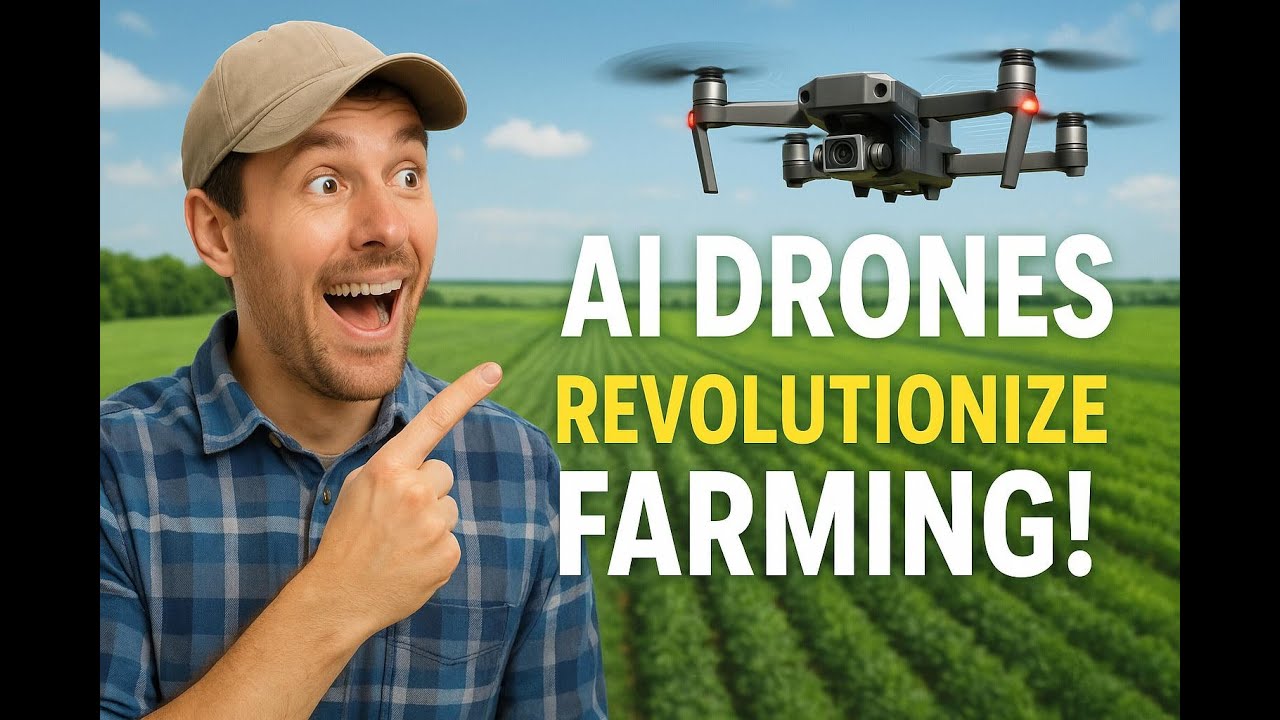
Example: Imagine a field of wheat monitored round-the-clock by drones and satellites. As AI analyzes the multispectral data, it sends alerts about developing nutrient deficiencies or pest outbreaks, allowing proactive treatment and preventing yield loss—showcasing the true power of ai advancements in agriculture.
Precision farming is already accessible via advanced platforms that integrate real-time monitoring, satellite images, and AI-powered advisory. For instance, satellite-driven crop monitoring platforms like Farmonaut use multispectral satellite imagery and AI analytics to provide actionable insights on vegetation health, soil conditions, and irrigation needs.
Benefits:
- Reduces input costs by minimizing resource wastage
- Increases yields by ensuring plants receive tailored care
- Minimizes environmental impact through optimized chemical application
- Boosts farmer decision-making efficiency

2. AI-Enabled Robotics in Farming Labor
The traditional model of labor-intensive farming is undergoing a revolution thanks to AI-enabled robotics. Autonomous tractors, seeders, robotic harvesters, and smart sprayers utilize computer vision, navigation systems, and machine learning to perform tasks with remarkable accuracy—often without human intervention.
- Autonomous Tractors: These advanced machines use AI and GPS-guided navigation to plant seeds with optimal spacing and depth, ensuring better crop development.
- Weeding Robots: Computer-vision-powered robots identify and precisely remove weeds, reducing herbicide usage and promoting sustainable farming.
- Robotic Harvesters: Harvesting fruits and vegetables is traditionally labor-intensive and dependent on seasonal workers. Robotic harvesters driven by AI recognize ripe produce and pick it gently, preserving quality and reducing dependency on unreliable labor markets.
In a world where labor shortages are exacerbated by demographic changes and disruptions (such as global pandemics), ai advancements in agriculture are essential for consistent, large-scale crop operations.
These solutions not only reduce dependency on seasonal labor but also improve accuracy in seed placement, soil cultivation, and crop harvesting for higher yields and healthier crops.

3. AI in Crop Breeding and Genetics
A major advancement in agriculture is the use of AI-powered models and biotechnology for accelerated crop breeding. Traditionally, developing new crop varieties with desirable traits took years; now, machine learning algorithms speed up the identification of genetic markers for:
- Drought tolerance
- Disease resistance
- Improved nutritional content
- Faster growth cycles
By analyzing large genomic datasets and environmental conditions, AI recommends the most promising breeding pairs, enabling scientists to develop resilient, high-yield varieties well-suited to future climatic changes and global food security demands.
This intelligence is also being integrated into predictive planting and harvest models, allowing farmers to select crop types best adapted to their region’s soil and climate, maximizing productivity and minimizing risk (learn how monitoring carbon footprints ties into this advancement).

4. AI Analytics for Agricultural Supply Chain Optimization
One recent advancement in agriculture is the application of AI-driven analytics to streamline the agricultural supply chain. By harnessing machine learning algorithms and predictive data modeling, farmers and businesses can:
- Forecast demand with high accuracy, reducing post-harvest waste;
- Optimize logistics, so fresh produce reaches markets efficiently;
- Implement blockchain solutions for product traceability, reducing fraud and enhancing consumer trust.
These AI advancements in agriculture ensure better market access by connecting growers directly to buyers with real-time pricing, reducing losses from intermediaries, and maximizing profitability. For farms seeking crop loan and insurance, satellite-verified, AI-analyzed records support more transparent financial processes (see how satellite-based verification helps with crop loans and insurance).
Logistics can be further optimized through platforms offering fleet and resource management tools powered by AI, which lower transportation costs, improve vehicle usage, and prevent spoilage (explore the benefits of AI-driven fleet management for agriculture here).

5. AI for Environmental Sustainability and Resource Conservation
Sustainability and environmental impact are core concerns in agriculture’s future. AI advancements are transforming how we track, manage, and minimize agriculture’s environmental footprint:
- Water Management: Smart AI models and satellite systems continuously monitor soil moisture and irrigation needs, allowing for precise water application and major conservation gains.
- Carbon Footprint Monitoring: Advanced monitoring tools measure emissions generated by operations, equipment, and land-use, helping farms move toward net-zero practices and achieve compliance with future regulations (learn more about carbon footprinting technologies).
- Optimized Chemical Application: By analyzing real-time crop conditions and growth patterns, AI ensures the minimum necessary use of fertilizers and pesticides, reducing runoff and environmental risks.

These AI-powered sustainability solutions are particularly impactful in water-scarce regions, where every drop saved means more resilient food systems and communities. Blockchain-powered traceability further enhances sustainability by recording input use, location, and harvest details for every crop—improving accountability across the supply chain (see how traceability works in agriculture here).
6. Predictive Analytics and Early Warning Systems
Predictive analytics represent a major advancement in agriculture in the fight against volatile weather, pest outbreaks, and crop diseases. Leveraging big data from weather satellites, on-farm IoT sensors, and historical records, advanced machine learning models warn farmers about:
- Impending pest invasions or disease hotspots
- Drought or flood risks
- Optimal planting and harvesting windows
- Shifts in market demand and prices
Such AIs can factor in climate change trends, soil health data, and real-time field observations, enabling smarter decisions that protect yields and ensure food security. Mobile-friendly dashboards and alerts are now available for all levels of farm operations, making this technology both scalable and accessible via both web and app platforms (explore large-scale farm management dashboards).

7. Edge AI and Connectivity for Global Farmers
The synergy of edge AI, satellite connectivity, and 5G technology is perhaps one of the most exciting and transformative advancements in farming for 2025 and beyond. Unlike centralized models that require stable internet, edge AI devices operate in the field, process data locally, and enable real-time decisions without constant connectivity. This is pivotal for regions with limited network access or unreliable infrastructure.
- Immediate Data-Driven Decisions: Sensors analyze weather, soil, and crop data right on the edge device, issuing real-time irrigation or pesticide recommendations.
- Empowering Small & Remote Farms: Now, farmers in rural areas can access advanced AI-powered advisory and monitoring tools without waiting for data uploads or high costs.
- Integrated Ecosystems: Combining edge AI, drone data, and satellite imagery enables multi-layered monitoring, giving a holistic picture of field and operational health.

Comparative Summary Table of AI Advancements in Agriculture
| Advancement Name | Core Technology Used | Main Application Area | Estimated Yield Improvement (%) | Estimated Reduction in Resource Use (%) | Year of Introduction | Real-World Example or Use Case |
|---|---|---|---|---|---|---|
| Precision Farming with AI | Machine Learning, Satellite Imagery, IoT Sensors | Crop Monitoring, Variable Rate Application | +20% to +30% | 20% to 35% | 2018-2025 | AI drone imagery detects nutrient stress, triggers tailored fertilizer delivery. |
| AI-Enabled Robotics | Computer Vision, Autonomous Navigation, Robotics | Planting, Weeding, Harvesting | 15% to 30% | 15% to 25% | 2020-2025 | Robotic harvesters pick ripe fruits autonomously during labor shortages. |
| AI in Crop Breeding & Genetics | Machine Learning, Genomics, Predictive Modeling | Breeding, Trait Selection, Planting Advice | 20% to 35% over traditional breeding cycles | — | 2019-2025 | AI identifies drought-tolerant genes for rapid crop development. |
| AI Analytics for Supply Chain | Predictive Analytics, Blockchain, IoT | Logistics, Crop Pricing, Traceability | 10% to 20% | 10% to 40% (logistics & waste) | 2022-2025 | Blockchain tracks farm produce from field to market in real time. |
| AI for Environmental Sustainability | Satellite Analytics, IoT, Machine Learning | Irrigation, Water Use, Carbon Tracking | 10% to 15% | 25% to 40% | 2021-2025 | Satellite-based soil moisture monitoring guides efficient irrigation. |
| Predictive Analytics & Early Warning | AI, Weather Models, Big Data Analytics | Risk Management, Decision Support | up to 20% | 10% to 20% | 2023-2025 | Real-time alerts help farmers avoid pest/disease losses. |
| Edge AI & Connectivity | Edge Computing, IoT, 5G | Remote Real-time Guidance | 5% to 15% (rural deployment) | 10% to 25% | 2024-2025 | Local AI device issues instant water/fertilizer advice in a remote field. |



“AI-driven precision agriculture has increased crop yields by up to 30% in recent research-led farm trials.”
Farmonaut: Pioneering Satellite-Driven AI Innovation
As an advanced satellite technology company, at Farmonaut we are dedicated to making satellite-driven insights accessible and affordable globally. Our multi-sector platform delivers a suite of AI-powered, data-driven tools tailored for agriculture, infrastructure, mining, and defense—with a strong focus on agricultural advancements and sustainability.
How our platform enables agricultural innovation:
- Satellite-Based Monitoring: Continuous assessment of vegetation health (using indices like NDVI), soil moisture, and field anomalies using multispectral satellite imagery, empowering farmers, businesses, and governments with actionable insights.
- AI-Based Advisory (Jeevn AI): Real-time, automated guidance on weather, crop growth, irrigation scheduling, and disease mitigation derived from AI-analyzed satellite data.
- Blockchain Traceability: Secure product origin documentation and traceability from field to market, bolstering transparency and authenticity.
- Resource Management Tools: Fleet and resource management for optimizing on-field assets and logistics in agriculture (find out how AI streamlines agricultural fleet management).
- Environmental Impact Monitoring: Tools for carbon footprinting and sustainability compliance, supporting farms in adopting climate-smart practices (explore carbon footprinting in agriculture).
Scalability for Large & Small Farmers Alike: With our subscription-based and API models, both family-run farms and large agribusinesses can adopt the same powerful AI advancements in agriculture, all accessible by web, Android, iOS, or integrated via API.
Discover the Large Scale Farm Management Suite for comprehensive satellite and AI monitoring, tailored for big agri-enterprises and governments.
Want to understand how you can optimize your plantation or forest management? Start with our Crop Plantation & Forest Advisory tools.
Get Started with Farmonaut Subscriptions
Choose from our cost-effective, modular subscription packages for real-time satellite monitoring, AI-based insights, resource management, and traceability. Scalable for individual, business, or government-level needs, our approach ensures you never miss a data-driven opportunity to improve your farm’s productivity and sustainability.
FAQs: AI Advancements in Agriculture
Q1. What are the key benefits of recent AI advancements in agriculture?
- Boost yields and profitability through precision management.
- Reduce resource waste and environmental impact.
- Enable proactive responses to pests, diseases, and weather risks.
- Facilitate transparent, traceable supply chains.
- Empower farmers in both large-scale and remote operations.
Q2. Are AI and satellite advancements in farming only for large corporate farms?
No—recent platforms, including web and mobile apps, make AI-driven insights affordable and accessible for farms of all sizes, anywhere in the world, including smallholder and remote farms.
Q3. What kinds of data do agricultural AI systems use?
Modern AI systems for agriculture leverage satellite imagery, weather data, IoT sensor data, soil analysis, machinery telemetry, and historical yield data for multidimensional, actionable insight.
Q4. How do AI advancements contribute to sustainable agriculture?
- Enable precise input application and water conservation
- Monitor and reduce carbon emissions
- Improve biodiversity by reducing chemical overuse
- Ensure long-term soil and field health through data-driven practices
Q5. How can I start using satellite or AI tools on my farm?
You can start by accessing satellite-based agriculture apps and APIs such as those offered by Farmonaut (available via web, Android, and iOS). Choose a subscription that matches your operational needs or leverage the API for custom integration.
Conclusion: AI’s Transformative Role in Reshaping Agriculture’s Future
As we move toward 2025 and beyond, AI advancements in agriculture are becoming not just necessary but foundational for a thriving, resilient food system. By embracing AI-powered analytics, robotics, satellites, edge computing, and biotechnology, farmers and agri-businesses are gaining the tools required to address climate change, resource constraints, labor shortages, and food security concerns. These technological advancements in farming are continually reducing waste, enhancing yields, and promoting sustainable practices—ultimately ensuring food security for a growing global population.
Looking ahead, the convergence of AI with edge computing, 5G, satellite monitoring, and blockchain traceability will further accelerate this transformation, opening up powerful new possibilities for resilient and sustainable agriculture worldwide. Farmonaut is committed to making these AI advancements in agriculture affordable and accessible, empowering every farm, of any scale, to prosper in the digital age.
Ready to Transform Your Farming Practices?
- Start using Farmonaut’s Web App or download our app on Android or iOS for cutting-edge AI insights and monitoring.
- Integrate satellite and AI-driven data into your agri-business via our powerful Farmonaut API. Explore detailed guidance for developers here.
The future of agriculture is intelligent, sustainable, and data-driven. Seize the opportunity—let AI advancements in agriculture drive your farm’s productivity, sustainability, and profitability into a new era!
Discussion
Questions, corrections or field experience? Share them below. First-time comments are reviewed before they appear, and your email is never published.
No comments yet. Be the first to add a question or your experience.

 MCSOD
MCSOD Marei Nursery
 Sayaji Group
 eKGIS
eKGIS Mostas Tech
 Native Seeds
 Andex
Andex FCF India
 Unifrutti Gulf
 Deluxe Conseil
 TVS Electronics
 WICO
WICO Chimera Innovation
 SkyHarvest
 Polaris Digitech
