

8 Billion Trees: Leading 2025 Reforestation Efforts
The 8 Billion Trees Initiative: A New Epoch in Global Reforestation and Agricultural Sustainability
“The 8 Billion Trees initiative aims to restore over 40 million acres of degraded land globally by 2025.”
The Significance of Reforestation in Agriculture and Forestry
Reforestation is not merely the act of planting trees; it’s a transformative ecological strategy addressing some of the world’s most pressing challenges, including soil degradation, climate change, declined agricultural productivity, and biodiversity loss. In 2025, the 8 billion trees initiative stands as a cornerstone in global sustainability efforts—restoring ecosystems, increasing food security, and enhancing rural livelihoods around the globe.
- Trees play an indispensable role in agriculture and forestry by stabilizing soil, regulating water cycles, and improving crop yields with their unique capacity for biodiversity enhancement.
- Unlike many short-term interventions, strategic tree planting creates long-term climate resilience and sustainable agricultural systems for both people and planet.
- By integrating trees into previously degraded lands, we are able to address environmental, economic, and food system vulnerabilities, simultaneously.

The global focus on reforestation aligns with the increasing need for sustainable agriculture practices that both conserve and restore forest landscapes.
Why Are Trees Indispensable for Sustainable Food Systems?
- Enhancing Soil Fertility: Trees actively improve soil by providing organic matter, boosting nutrient cycles, and preventing erosion.
- Water Regulation: Root systems help maintain water cycles, increase groundwater recharge, and promote drought resilience for crops.
- Biodiversity Preservation: Forested areas serve as habitats for countless species that support pollination and pest control.
- Climate Impact: Large-scale reforestation supports carbon sequestration, acting as a natural buffer against rising atmospheric CO2 levels.
8 Billion Trees: A Transformative Response to Global Challenges
The 8 billion trees initiative represents a bold, ambitious campaign shaping the new epoch of global reforestation. As the world grapples with escalating impacts of climate change, land degradation, and food insecurity, this effort is restoring ecological integrity on an unprecedented scale.
- Restoring degraded lands: 8 billion trees sends a powerful signal of commitment to reviving farmlands and forest areas severely affected by deforestation, unsustainable farming, and land misuse.
- Reversing soil degradation: According to the UN, nearly 33% of Earth’s soils are moderately to highly degraded—due to erosion, nutrient depletion, and salinization—threatening millions of farmers’ livelihoods.
- Combating alarming rates of deforestation: The tropical regions in particular face severe loss of carbon sinks, biodiversity, and essential ecological functions.
- Promoting food security: The initiative provides a foundational strategy for sustainable agriculture, stabilizing food production for future generations.
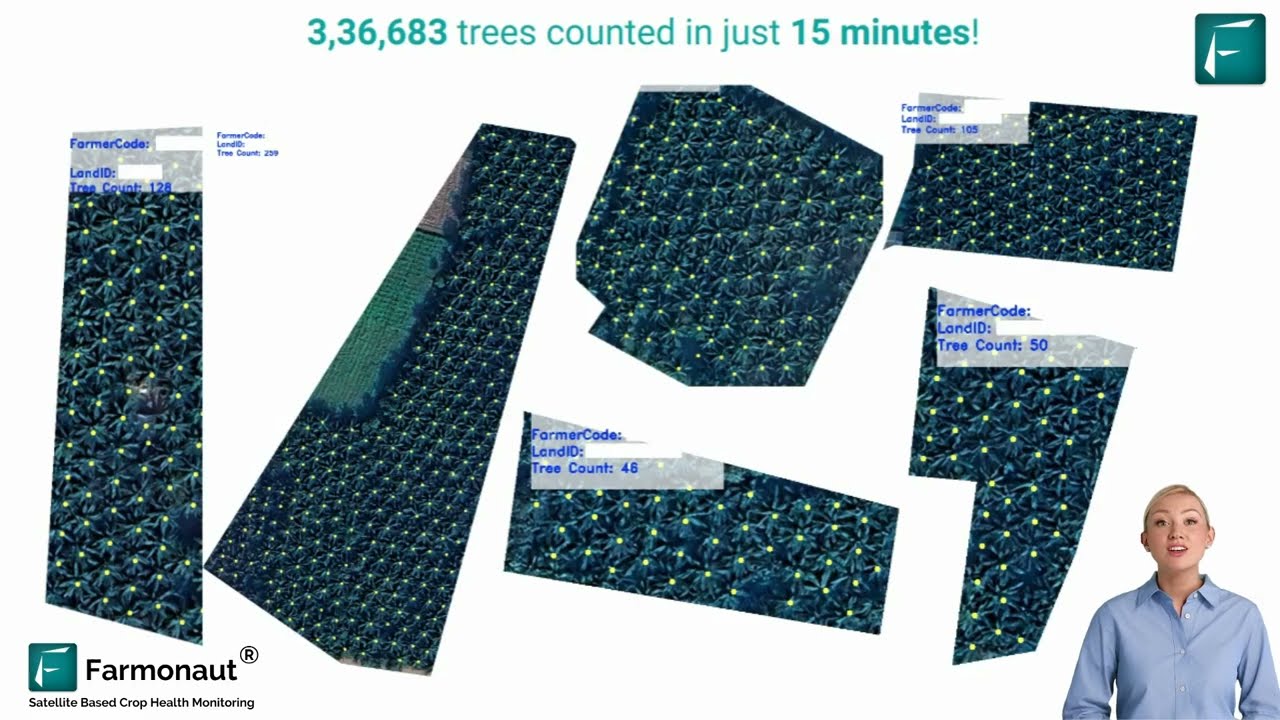
Global Forestry and 8 Billion Trees: Combatting Deforestation
The modern era has witnessed alarming rates of deforestation—with large tracts of forest lost each year for agriculture, urbanization, and extraction. By 2025, the 8 billion trees initiative is combating this trend through coordinated, evidence-based reforestation efforts in targeted regions.
- Biodiversity Hotspots: Tropical areas such as the Congo Basin, Amazonia, and Southeast Asia feature prominently, given their roles as natural carbon sinks and rich sources of biodiversity.
- Climate Regulation: Reforestation enhances the ability of global forests to absorb CO2 and regulate temperature—delivering global benefits from local action.
- Sustainable Forestry: Integrating sustainable forestry practices within the initiative increases the sequestration and long-term preservation of carbon, while restoring vital forest landscapes.
“Reforestation projects can increase local soil fertility by up to 30%, supporting sustainable agriculture and climate resilience.”
Moreover, reforestation synergizes with the global shift towards regenerative agriculture and climate-smart farming, ensuring that agricultural expansion need not come at the expense of forests.
Agroforestry: Bridging Reforestation and Productive Farming

How Agroforestry Supports the 8 Billion Trees Initiative
A major component of the 8 billion trees initiative is agroforestry—the practice of integrating trees with crops and livestock within a single farming system. By 2025, scaling up agroforestry is recognized by international organizations for its unique capacity to bridge tree planting and productive farm management.
- Enhancing Yields: Trees create optimal microclimates, regulate soil moisture, and shield crops from extreme weather—improving productivity and ensuring food stability.
- Nitrogen Fixation & Organic Matter: Certain tree species increase soil nitrogen, reducing farmers’ dependence on synthetic fertilizers—a key goal in carbon footprinting and sustainable food production.
- Diversified Incomes: Agroforestry generates additional revenue streams (timber, fruits, medicines), which promotes resilience and prosperity in rural communities.

For farmers seeking expert advisory systems, Farmonaut’s Crop Plantation & Forestry Advisory offers satellite-driven, AI-based real-time insights—enabling data-backed decisions on species selection, land preparation, resource management, and environmental impact monitoring.
Agroforestry Empowers Millions of Farmers
- Food Security: Agroforestry systems can reduce hunger risks by ensuring year-round crop, fruit, and timber harvests.
- Climate Resilience: Deep-rooted trees help soils resist droughts and floods, increasing resilience to climate shocks in smallholder and commercial farms alike.
- Socioeconomic Impact: By promoting agroforestry, the 8 billion trees campaign helps drive job creation and gender inclusion in rural areas.

Soil Health, Water, and Agricultural Productivity: Core Benefits of Tree Planting
The connection between trees and soil health is rooted in centuries-old agricultural wisdom—now validated by modern science and digital technologies. Planting trees greatly improves organic matter, increases soil fertility, enhances water retention, regulates microclimates, and reduces erosion.
- Soil Organic Matter: Leaf litter and root biomass from trees enrich the soil with carbon and nutrients—integral for crop productivity.
- Water Cycles: The presence of extensive tree root systems improves soil structure, reduces surface runoff, and retains up to 40% more available water within farm landscapes.
- Erosion Control: Tree cover stabilizes topsoil, reverses the trend of land degradation, and helps restore productivity on arable and hilly lands.
- Pest & Disease Management: Increased biodiversity through mixed cropping and tree planting can reduce the prevalence of agricultural pests.

To ensure optimal use of resources and to increase climate resilience, precise monitoring of fields and their health status is essential. Farmonaut delivers state-of-the-art carbon footprint tracking and blockchain-based product traceability, essential for transparency, sustainability, and compliance in agriculture and forestry.



Technological and Policy Advances Powering the 8 Billion Trees Campaign
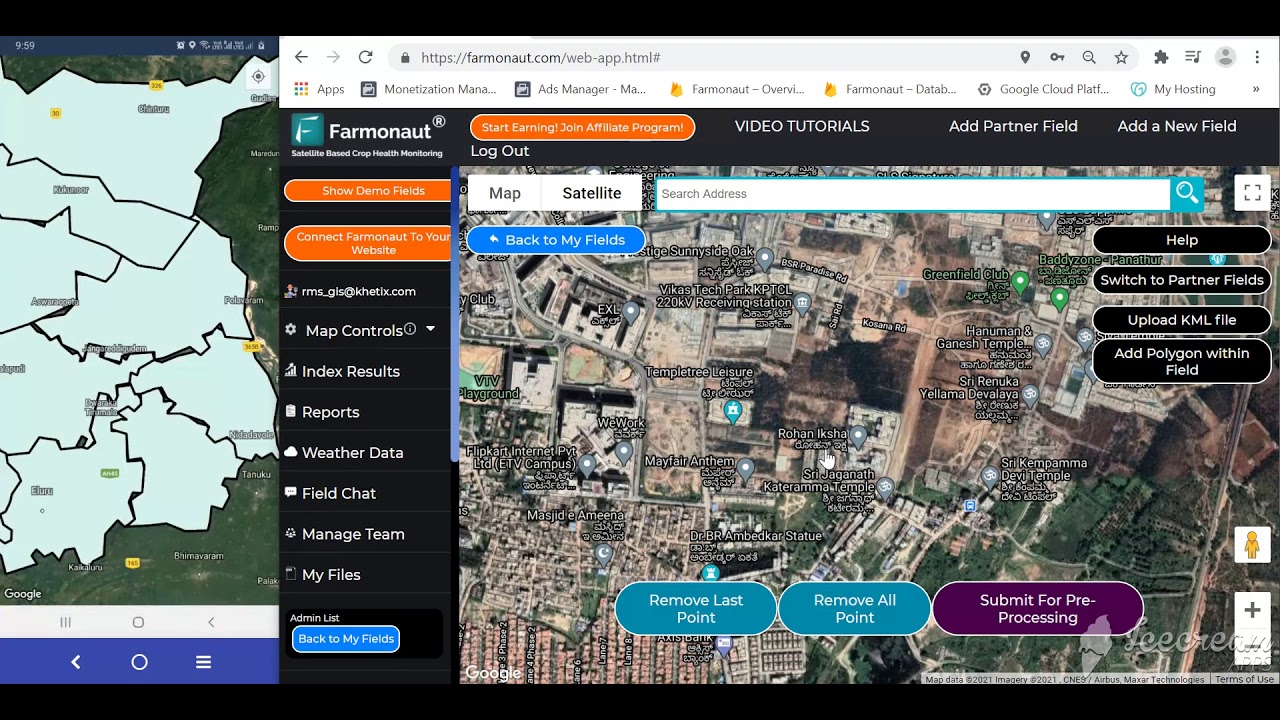
How Does Modern Technology Enable the Success of Reforestation?
The unprecedented scale of the 8 billion trees initiative is only possible because of recent breakthroughs in technology, policy, and scientific management:
- Satellite Monitoring & Drone Technology: Innovations like Farmonaut’s Large Scale Farm Management platform allow for precise, real-time monitoring of reforestation, crop health, and soil status at the regional or global scale.
- Artificial Intelligence (AI): AI-based advisory tools—like Farmonaut’s JEEVN AI—analyze satellite data to deliver tailored daily recommendations, improving field management and boosting the success rate of tree planting initiatives.
- Blockchain for Traceability: Blockchain ensures the authenticity of land restoration and product sourcing, fostering trust along agricultural and forestry value chains. Get more on Farmonaut Product Traceability.
- Carbon Credit Systems: Both public policies and market-based schemes (like carbon markets) reward farmers and communities participating in reforestation—turning sustainability into a practical, profitable pursuit.
- Digital Incentives & Financing: Satellite-based verification (Farmonaut Crop Loan & Insurance) makes it easier for farmers to access financial products for tree planting, monitoring, and resilience-building in the face of climate change.
For developers and enterprise integrators, our platforms offer robust APIs and API Developer Documentation—enabling easy access to reliable satellite data for ecosystem restoration projects in any location.

Impact Comparison Table: Reforestation by Region, 2025
| Region/Initiative | Estimated Trees Planted (2025) | Hectares Restored | Estimated Carbon Sequestered (tons) | Impact on Soil Health | Farms/Communities Impacted |
|---|---|---|---|---|---|
| Amazon Basin (South America) | 1.9 Billion | 11,200,000 | 580 Million | Soil fertility +27% Biodiversity ↑ |
2.3 Million |
| Congo Rainforest (Central Africa) | 1.3 Billion | 7,800,000 | 410 Million | Organic matter +31% Erosion ↓ |
1.4 Million |
| South/East Asia (IndoMalayan Sector) | 1.2 Billion | 6,700,000 | 340 Million | Soil PH balanced Salinization ↓ |
2 Million |
| North America (Temperate) | 980 Million | 5,200,000 | 230 Million | Soil carbon +19% Water retention ↑ |
1 Million |
| Europe (Boreal/Temperate) | 740 Million | 3,900,000 | 150 Million | Fertility +16% Diversification ↑ |
420,000 |
| Rest of World (regenerating drylands, oceanic islands) | 1.88 Billion | 5,200,000 | 210 Million | Desertification reversed Soil structure improved |
730,000 |
| TOTAL (Global 8 Billion Trees Initiative) | ~8 Billion | ~40,000,000 | ~1.92 Billion | Soil fertility improved, erosion controlled, biodiversity protected | ~8 Million+ |
Challenges, Solutions, and the Path Forward
Navigating Implementation Challenges of the 8 Billion Trees Initiative
- Land Tenure and Rights: Secure, equitable land access is crucial. Without clear tenure, communities may resist reforestation or face exploitation.
- Species Selection and Monocultures: Relying on fast-growing monocultures undermines biodiversity and system resilience. Native species are key for functional ecosystems.
- Local Engagement: Success depends on involving local stakeholders, integrating traditional knowledge, and addressing the needs of smallholders and indigenous peoples.
- Monitoring for Long-Term Success: High survival rates and the transition from saplings to mature forest require management, surveillance, and adaptive strategies.
- Policy Alignment: Integrating tree planting with broader regenerative agriculture and rural development policies ensures holistic landscape restoration.
To maximize sustainability, success, and impact, ongoing assessment of planted areas is required, ideally leveraging advanced satellite and AI-based tools for environmental monitoring.
Key Opportunities for a New Epoch in Sustainability
- Regenerative Agriculture Mainstreaming: By linking tree planting to regenerative and climate-smart farming (Farmonaut Crop Plantation & Forestry Advisory), we increase soil health and make food systems more robust.
- Scalable Digital Solutions: Farmonaut’s modular, subscription-enabled platform (Large Scale Farm Management) brings real-time, affordable monitoring to millions of hectares—driving data-driven decision making for forest and farm managers alike.
- Accessible Financing: Satellite verification (Crop Loan & Insurance) unlocks credit and protects farmers engaging in restoration.
- Traceability for Trust: Blockchain tracking (Product Traceability) gives buyers, partners, and policy makers assurance of impact for reforestation projects.
Farmonaut’s Satellite Technology: Monitoring and Supporting Reforestation
As satellite technology rapidly evolves, innovative solutions are reshaping how global reforestation initiatives like 8 billion trees are planned, executed, and monitored.
- High-Precision Monitoring: With Farmonaut‘s satellite-based monitoring, users track tree health, vegetation cover, and soil quality across landscapes—transforming restoration from vague promise to verifiable outcome.
- AI-Powered Insights: Our Jeevn AI Advisory system offers actionable, field-specific guidance on everything from species selection to regeneration targets.
- Environmental Impact Tracking: By providing carbon footprinting and impact analytics, we help businesses and governments meet ambitious climate and sustainable agriculture goals.
- Resource Management & Decision Support: Users benefit from fleet management and operation optimization tools—helping lower costs and accelerate restoration.
- Affordable, Scalable, and Accessible: Farmonaut democratizes technology via subscription, API access, and mobile/web apps—making satellite-driven insights available to all, from smallholder farmers to major reforestation organizations.
Frequently Asked Questions: 8 Billion Trees and Global Reforestation
Q1: What is the primary focus of the 8 billion trees initiative in 2025?
The primary focus of the 8 billion trees initiative is restoring degraded lands, combatting deforestation, enhancing soil health, improving food security and supporting climate resilience through large-scale tree planting, agroforestry, and sustainable management practices globally.
Q2: Why are trees so crucial for agriculture and climate change mitigation?
Trees stabilize soils, regulate water cycles, enhance biodiversity, sequester carbon, and foster resilient farming systems—goals that directly help mitigate the effects of climate change and improve long-term agricultural productivity.
Q3: How do technological advances support tree planting and reforestation?
Advances like satellite monitoring, AI-based advisory, blockchain traceability, and digital environmental impact tracking enable more targeted, efficient, and transparent restoration—ensuring that efforts lead to actual environmental and agricultural benefits.
Q4: Can smallholder farmers and rural communities participate in or benefit from the initiative?
Absolutely. Smallholders are at the initiative’s heart. Practices like agroforestry enhance their productivity and income while strengthening ecosystem services. Access to digital tools and financing (like satellite-based crop loan & insurance) makes participation easier and more rewarding.
Q5: What is the role of native tree species in the 8 Billion Trees initiative?
Planting native species is vital to restore local biodiversity, support healthy ecological functions, and increase tree survival rates over the long term.
Q6: How are the impacts of reforestation measured and reported?
Modern tools (like Farmonaut’s satellite platform) allow for precise measurement of forest cover, soil condition, and carbon sequestration—ensuring transparency and accountability throughout the reforestation process.
Q7: Can reforestation be profitable for individuals and organizations?
Yes. Through carbon credits, diversified agroforestry products, and improved land/crop value, restoration activities can produce economic returns while providing vital ecological services.
Q8: How can I access reforestation and monitoring technology for my farm or project?
Technology platforms like Farmonaut offer affordable, subscription-based access for real-time monitoring, resource management, and advisory services. You can explore our web app or mobile apps, or integrate our APIs for large-scale, data-driven operations.
Conclusion: A Greener, More Resilient World in 2025 and Beyond
As we step further into 2025, the 8 billion trees initiative is already reshaping the fields of agriculture and forestry. Its ambitious scope, data-backed strategy, and global impact mark a true epoch in environmental restoration. By embedding trees at the heart of farming and forest management, it empowers us to restore ecosystems, enhance food security, fight climate change, and build the foundations of a more sustainable future.
With the combined support of science, technology, sound policy, and local communities, reforestation can become more than a promise—it is an essential driver of resilience, prosperity, and hope for generations to come.

 Saraswati Agro
 Geno
Geno Hayleys Agriculture
 Linx Agritech
 Adinet
 Save Your Soils
 Grandstream Algérie
 XOS Realty
 Geospatial Lab Africa
 Agro La Gándara
 HIPSAC
 ZOL Zimbabwe
 Juligerm
 AdBio
AdBio MISE Maroc
 NWNS
NWNS
