

Agritech Software Development: 7 Trends Revolutionizing Agriculture in 2025
Introduction
Agriculture is on the brink of a digital revolution, evolving rapidly through the integration of agritech software development, artificial intelligence (AI), the Internet of Things (IoT), and big data analytics. As we transition into 2025 and look beyond, the need for sustainable, efficient, and resilient farming systems has never been more urgent. With rising food demands, climate variability, and mounting input costs, agriculture software development is empowering farmers, agronomists, and other stakeholders to meet these challenges through comprehensive software solutions, innovative technologies, and actionable insights.
In this comprehensive blog post, we explore the seven most significant trends in agritech software development for 2025. These trends are transforming traditional farming practices, fostering sustainable growth, and optimizing productivity across global agricultural landscapes.



Agritech Software Development: An Overview
Agritech software development is the process of designing, building, and deploying digital solutions tailored for the agricultural sector. The resulting platforms harness AI, IoT sensors, blockchain-based traceability, machine learning, and cloud computing—all integrated to support farm management, resource optimization, precision agriculture, and supply chain transparency.
Within the broad landscape of agriculture software development services, applications range from real-time soil and crop health monitoring to advanced field mapping, production analytics, regulatory compliance, and end-to-end traceability. Companies such as Farmonaut are extending these capabilities with affordable, satellite-driven insights for fields, making advanced technologies accessible to farms of all sizes, from smallholders in developing economies to large-scale agribusiness.
This advancement allows stakeholders to:
- Optimize input use and minimize waste
- Adapt to rapidly changing climate and market conditions
- Improve yields and profitability
- Enhance environmental sustainability
- Ensure food safety and supply chain integrity
What Agriculture Software Development Involves
Most agriculture software does three jobs: it pulls in field data, turns it into a decision, and passes that decision to a person or a machine. The data layer is where projects succeed or stall.
| Building block | What it gives a developer | Source |
|---|---|---|
| Sentinel-2 imagery | 13 spectral bands at 10, 20 and 60 m; revisit of 5 days at the equator with two satellites | Copernicus SentiWiki |
| Landsat 8 and 9 | 30 m visible, near-infrared and shortwave-infrared bands; together they image the same place every 8 days | NASA |
| ISOBUS (ISO 11783) | Communication standard that lets tractors, terminals and implements from different makers work together | AEF |
| ADAPT | Open-source data model, API and conversion plugins so farm management systems can exchange field-operations data | AgGateway ADAPT |
A typical build runs in this order: agree the decision the software must support (when to irrigate, where to scout, what to bill), choose the data sources above or in-field sensors, design for poor rural connectivity, then connect to the machinery and record-keeping systems growers already use.
Why Agritech Software Development Matters in 2025 and Beyond
As the world faces the twin crises of food security and environmental sustainability, agritech software development stands out as the critical enabler for future-ready agriculture. The evolving paradigms of agricultural software development ensure that granular data from fields is transformed into actionable insights on water use, nutrient application, pest management, yield forecasting, and compliance with carbon footprint targets.
Data-driven platforms not only optimize resources at farm, regional, and global scales but also transform how farmers, food processors, and regulators interact in increasingly complex supply chains. As rising demands put pressure on farmers to boost production while minimizing environmental impacts, the integration of technologies like AI, IoT, and cloud computing in agritech software make this possible—sustainably and efficiently.

See how digital farm monitoring is implemented in practice with this tutorial of Farmonaut’s Web System for satellite and AI-based crop health analysis.
Questions to Ask an Agritech App Development Team
The US Government Accountability Office found three main barriers to precision agriculture: high up-front costs, unresolved farm data sharing and ownership, and a lack of standards that makes tools hard to connect (GAO-24-105962, January 2024). Those three issues are a good checklist for any software partner.
- Data ownership: who owns field and yield data, and can a grower export it and leave?
- Interoperability: does the app read ISOBUS task data or support ADAPT plugins, or will every machine brand need custom work?
- Offline use: can a scout record observations without signal and sync later?
- Imagery costs: which parts run on free public imagery such as Sentinel-2 and Landsat, and which need paid high-resolution data?
- Agronomy review: who checks that alerts and recommendations are agronomically sound before release?
- Running costs: what does hosting, data processing and support cost per hectare or per user once the build is finished?
Ask for a working pilot on real fields before committing to a full build.
7 Trends Comparison Table: Agritech Software Development in 2025
The seven trends below are covered in turn.
Trend 1: Real-Time IoT and AI-Driven Field Monitoring
One of the most significant advances in agritech software development is the ecosystem of smart sensors, IoT devices, and cloud-connected analytics now widely deployed across farming landscapes by 2025. By embedding sensors in fields, soil beds, water stations, and crop canopies, farmers can now monitor in real time:
- Soil moisture and nutrient levels
- Ambient and crop surface temperature
- Pest and disease presence
- Plant growth and canopy stress
This live data is then transmitted to cloud-based platforms, where AI algorithms analyze datasets to provide predictive insights—such as optimal irrigation schedules, fertilizer application recommendations, and early pest/disease warnings. These insights help reduce waste, lower input costs, minimize environmental impacts, and, crucially, improve yields.

Watch how advanced AI like Farmonaut’s Jeevn AI Advisory System empowers smart farming through real-time weather and personalized crop advice.
These tools form the backbone of precision agriculture, where data-driven decisions replace intuition. For example, Farmonaut’s Large Scale Farm Management Platform enables farm managers to map vast fields, monitor crop health, and apply targeted interventions across hundreds or thousands of hectares, delivering both cost efficiency and sustainability.
Trend 2: Integration of Drone and Satellite Remote Sensing
Agriculture has evolved beyond simple manual inspection, as drones and satellites now offer farmers frequently updated, high-resolution imagery and macro-scale crop analytics. Drone surveillance and satellite remote sensing integrate smoothly with agriculture software development services to:
- Identify crop stress and nutrient deficiencies
- Detect pest or disease outbreaks before they are visible to the naked eye
- Assess the health of very large or remote farms efficiently
- Prioritize field interventions for optimal outcomes
- Verify results of applied treatments via before-and-after analysis
These technologies democratize access to previously advanced agronomic assessments, equipping both smallholders and large commercial operations with critical data.
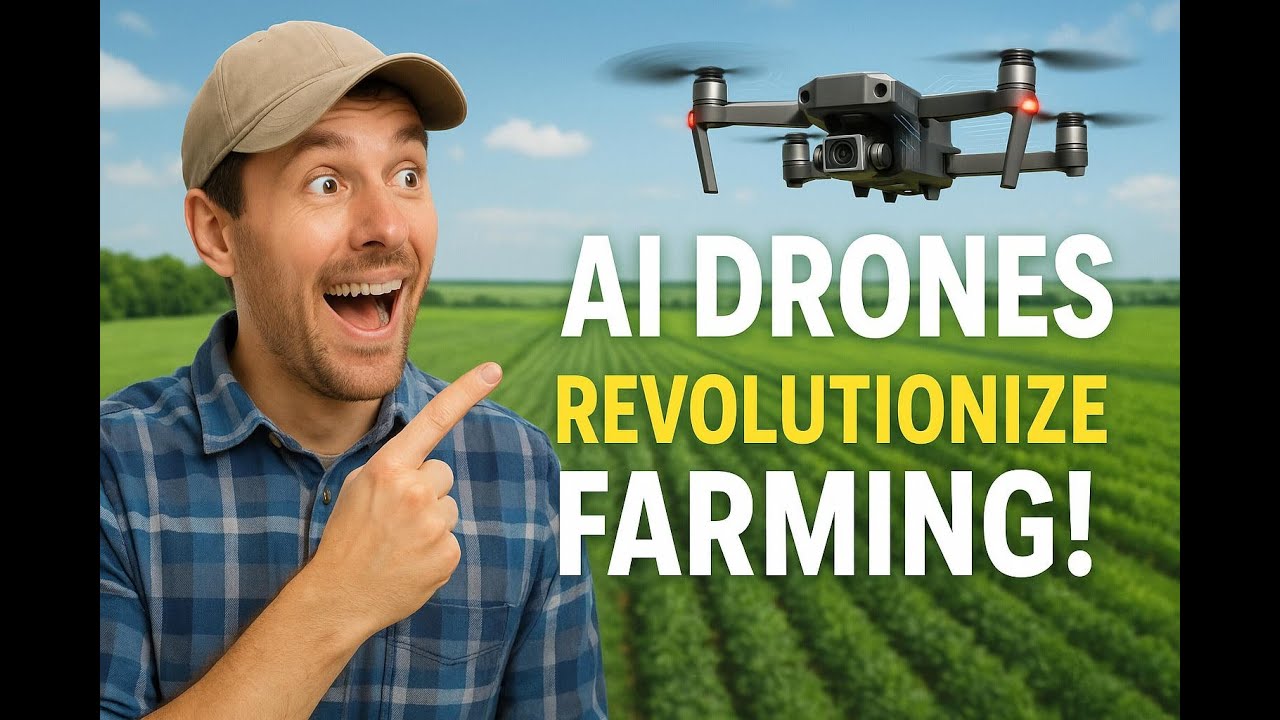
Watch how AI-equipped drones are used for early detection and targeted intervention.
Platforms such as Farmonaut’s Carbon Footprinting Service integrate with satellite data to provide real-time carbon emission tracking across agricultural landscapes. This combination of AI, remote sensing, and field data allows farmers and policy makers to quantify environmental impacts and adapt practices for climate resiliency.
Trend 3: Big Data Analytics & Cloud Computing in Farm Management
With the vast inflow of real-time field data from sensors, drones, and satellites, agriculture software development in 2025 is firmly rooted in powerful big data analytics and cloud computing platforms. These tools empower farmers and agronomists to:
- Analyze weather, soil, and yield data patterns over several seasons
- Detect subtle trends in crop health and production risks
- Forecast outcomes and adapt management practices rapidly
- Optimize input utilization to maximize yields while minimizing costs
In addition, cloud-based architectures enable:
- Secure, centralized storage of farm data and records
- Collaboration between different stakeholders—farmers, advisors, supply chain partners
- Scalable systems that grow alongside expanding farm operations
- Remote access to insights and recommendations, ensuring decisions are timely even off-field
Our own Farmonaut API for satellite and weather data enables seamless integration with farm management systems, allowing third-party developers and agritech startups to build custom solutions atop reliable remote sensing insights.

Explore how satellite analytics and cloud-based tools support regenerative agriculture and climate-smart farming solutions for 2025 and beyond.
To get started with firsthand data integration, developers are encouraged to review our API Developer Documentation for detailed guides and real-world use cases.
Trend 4: Blockchain Traceability for Supply Chain Transparency
As food safety and provenance have become key market drivers, blockchain-inspired software is increasingly common within agriculture software development services. Blockchain platforms, without the complexity or volatility of cryptocurrencies, securely:
- Record every step of a crop’s journey from seed source to final processing
- Certify sustainability standards and regulatory compliance
- Enable rapid, transparent recalls and quality assurance in case of market or health alerts
- Provide digital, tamper-proof certification for export and high-value food products
Blockchain frameworks empower farmers to command better prices and value for certified quality while giving consumers transparency about how their food is produced.
If you’re aiming for transparent supply chains, consider Farmonaut’s Product Traceability Solution, integrating blockchain to enable full visibility, authenticity, and traceability from farm to fork, and supporting compliance with the latest international market regulations.

Watch how satellite-enabled software is revolutionizing both crop monitoring and supply chain verification—empowering global food safety networks.
Trend 5: Next-Generation Farm Management Systems
The old days of basic spreadsheets and manual logging are over—modern farm management platforms in 2025 offer integrated modules for:
- Financial and operational planning
- Labor and machinery scheduling
- Regulatory and carbon compliance
- Resource and input inventory management
Integrated agriculture software development platforms minimize administrative overhead, reduce chances of error, and automate routine record keeping. Importantly, the use of digital records allows more farmers to access loans and insurance by providing verifiable, satellite-backed documentation of farm activities.
If you require verified, satellite-driven assessment for banking or insurance in agriculture, Farmonaut Crop Loan and Insurance Verification Tools provide trusted data for both institutions and farmers, reducing fraud and improving access to credit in agricultural sectors worldwide.
Next-generation management systems also facilitate compliance with biodiversity preservation, water use rights, and carbon reduction mandates that are now required by both local governments and global food buyers.
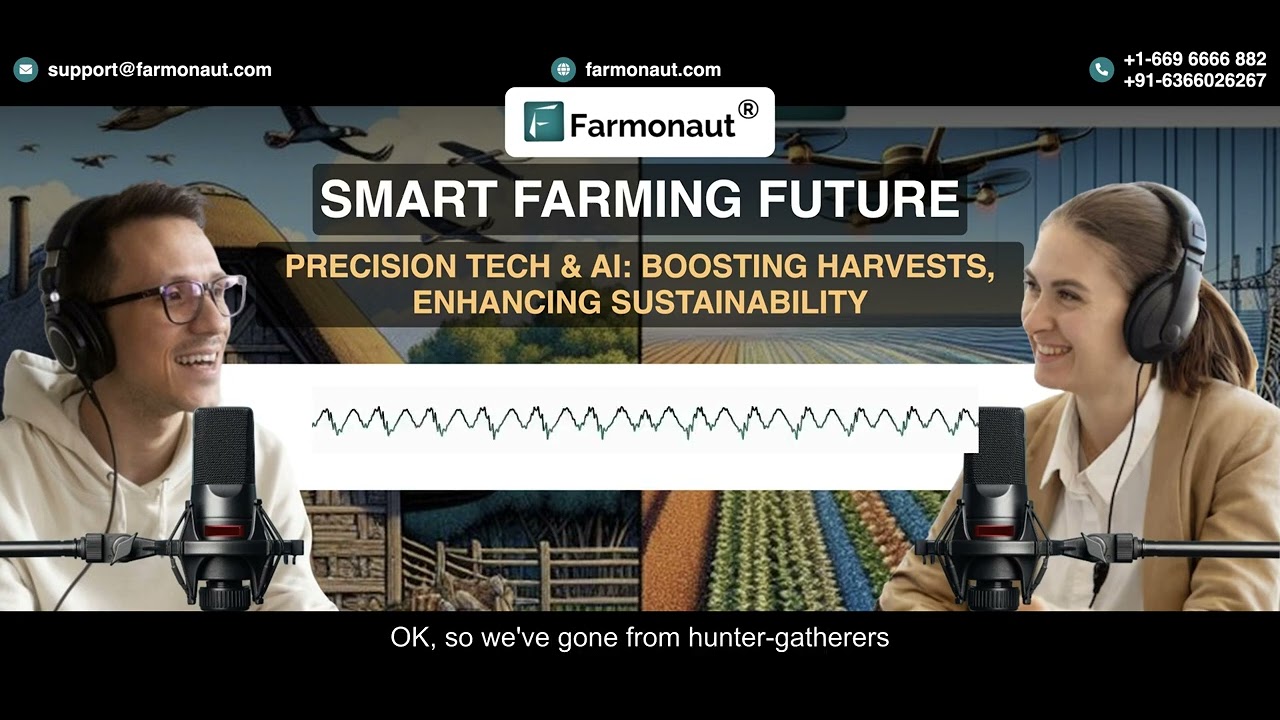
This video illustrates how next-gen management platforms, powered by precision tech, AI, and real-time sensors, are key to sustainable and profitable harvests.
Trend 6: Inclusive Agritech Software—SaaS, Mobile, and Offline Access
Democratizing access to technology is a central focus of agriculture software development services in 2025. Traditional solutions often required costly equipment or intensive training, but new models prioritize:
- Cloud-based SaaS (Software as a Service): Affordable, subscription-based access to tools at any scale
- Mobile-first design: Enabling farmers in rural and remote areas to access vital insights on smartphones or tablets
- Multilingual and highly intuitive interfaces: Promoting adoption in diverse, non-English speaking regions
- Offline capabilities: Ensuring platform usability even in areas with limited or unreliable internet connectivity
As a result, farmers at every level—from smallholders to industrial producers—are empowered to benefit from advanced agronomic models. For instance, the Farmonaut Mobile and Web Apps provide affordable, satellite and AI-driven monitoring on both Android and iOS, making advanced field management accessible globally.
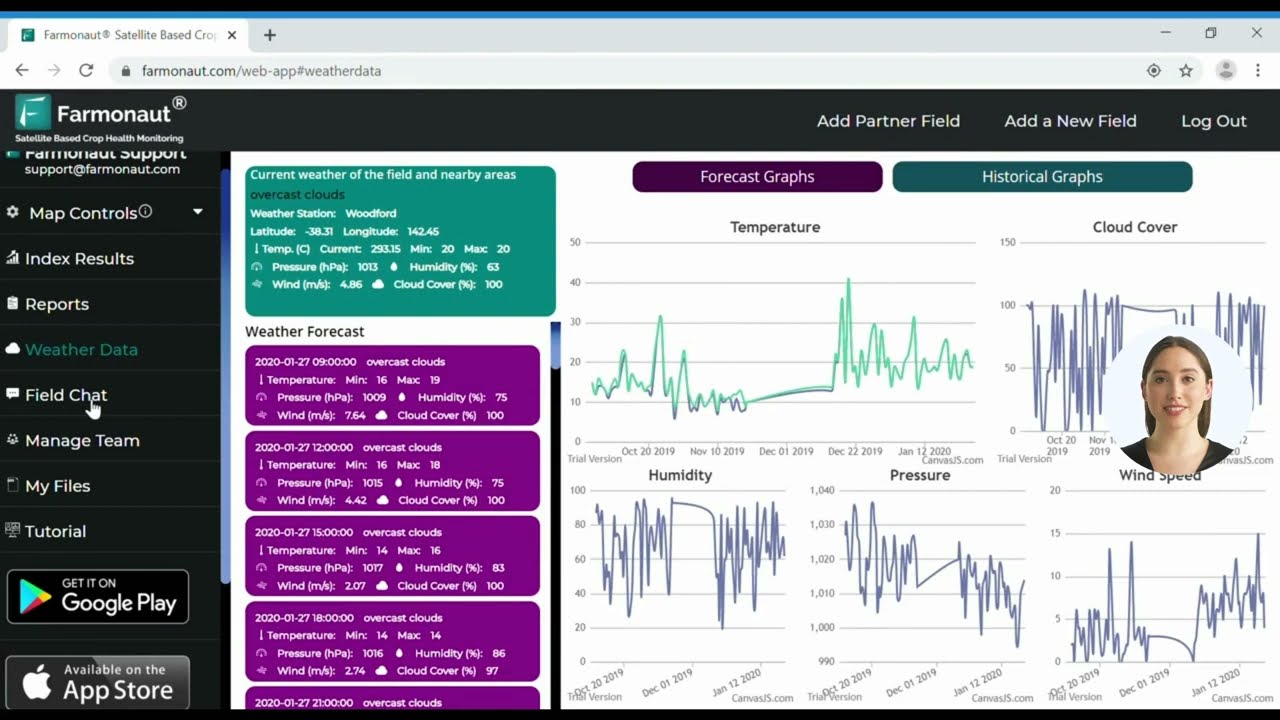
Discover the conveniences of digital field mapping and monitoring—even in remote or large-scale settings—with our Farmonaut Web App demonstration.
When scaling operations, Farmonaut Fleet Management Tools can be used to optimize machinery and labor allocation—improving efficiency and reducing costs for operators and managers of all capacities.
Trend 7: Software-Powered Synthetic Biology & Autonomous Farming
Looking toward 2026 and beyond, agriculture software development services will increasingly merge with innovations from synthetic biology and autonomous robotics. Advanced software models will support:
- Real-time management of gene-edited crop varieties
- Automated, autonomous machinery for sowing, tending, and harvesting crops
- Integration of environmental sensor networks with robotics for responsive field actions
- Complex simulations for environment-specific crop modeling
These advancements promise to deliver:
- Unprecedented resilience to climate change and biological threats
- Greater sustainability through ultra-precise resource utilization
- Labor reduction and new automated production paradigms
As the agtech ecosystem matures, we anticipate a wave of software-powered smart farms where most management decisions and interventions are handled automatically, guided by holistic sensor networks, real-time analytics, and AI.
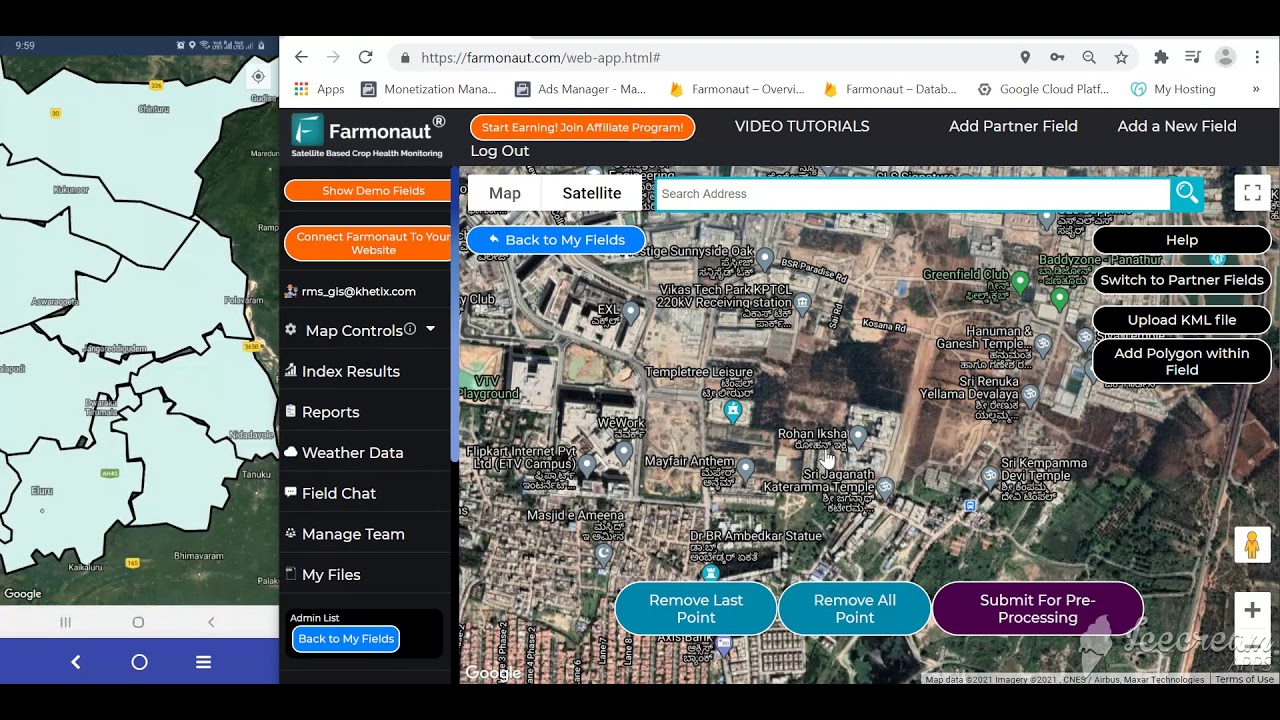
See step-by-step how field mapping and satellite-guided farm monitoring become seamless parts of digital, autonomous agriculture—from small farms to industrial operations.
If you operate commercial plantations, forests, or want scalable environmental advisory, the Farmonaut Plantation and Forest Advisory Service delivers AI and satellite-powered guidance for diverse applications—from crop optimization to ecosystem stewardship.
Farmonaut’s Role in 2025’s Agritech Ecosystem
At Farmonaut, our mission is to make satellite-driven, AI-based insights affordable and accessible for all stakeholders—be it smallholder farmers, large agribusinesses, infrastructure managers, or governmental agencies. Our platforms integrate the latest in remote sensing, artificial intelligence, blockchain traceability, fleet management, and environmental monitoring. Core benefits of the Farmonaut ecosystem include:
- Real-time monitoring: Multispectral satellite imagery for crop, soil, and project health
- AI advisory: Personalized recommendations for maximizing yield and minimizing risk
- Blockchain traceability: Digital transparency for supply chains without adding complexity
- Fleet and resource optimization: Tools to streamline logistics and reduce operational costs
- Environmental impact tracking: Carbon footprint and sustainability performance dashboards
- API & App access: Seamless integration with third-party systems and mobile deployment for rural or off-grid areas
Our technology empowers stakeholders to optimize production, utilize resources efficiently, comply with complex regulations, and sustainably meet rising food demands—all within a rapidly changing climate and market environment.
Farmonaut Subscription Options
To make high-tech agritech software development services accessible worldwide, Farmonaut offers scalable subscription models for individuals, businesses, and governments—accessible online or via mobile apps. Choose the solution that fits your needs and start optimizing your farm, supply chain, or resource management.
FAQ – Agritech Software Development Services
What is agritech software development?
Agritech software development refers to the creation of digital platforms, apps, and systems designed to optimize agricultural processes using technologies like AI, IoT, satellite remote sensing, blockchain, and cloud computing. These solutions empower farmers and agribusinesses to improve yields, reduce costs, ensure sustainability, and enable supply chain transparency.
How do AI and IoT transform traditional farming practices?
AI and IoT revolutionize traditional farming by providing real-time monitoring, predictive analytics, and automated management. Sensors placed in fields collect vital data on soil, crops, and weather. AI analyzes these datasets for actionable insights—optimizing irrigation, fertilizer, and pest management, leading to improved efficiency and yields.
What are the benefits of blockchain-based traceability in agriculture?
Blockchain traceability ensures each step in the food supply chain is securely recorded and verifiable, increasing transparency, food safety, and compliance with regulatory standards. It also adds value for farmers and businesses by certifying product authenticity and sustainable practices.
Can smallholder farmers access advanced agritech software?
Yes, with the advent of cloud SaaS, mobile-first platforms, and offline capabilities, advanced agritech software is now accessible and affordable for smallholder farmers. Solutions are designed with intuitive interfaces and multiple languages for broad adoption and inclusivity.
How do satellite imagery and drones aid in crop management?
These technologies provide frequent, detailed visuals of very large farms or remote fields, allowing early detection of stress, diseases, nutrient deficiencies, and enabling efficient prioritization of interventions—long before problems are visible in person.
What is the role of big data analytics in sustainable agriculture?
Big data analytics allows farms to process vast amounts of historical and real-time information, uncover patterns, predict outcomes, and optimize every aspect of production—from input allocation to risk mitigation—driving sustainability and profitability.
Where can I get started with satellite-driven agritech insights?
Try Farmonaut’s Web and Mobile Apps for field monitoring, or API integration for customized or large-scale deployments.
Conclusion: Embracing Agritech Innovation for a Sustainable Future
Agriculture software development in 2025 is the foundation for resilient, sustainable, and efficient food production. Through the integration of AI, IoT, big data, blockchain, and satellite remote sensing, these comprehensive platforms and services deliver the actionable insights required to meet rapidly rising food demands while minimizing environmental impact.
At Farmonaut, we stand at the industry’s forefront by offering scalable, affordable, and accessible agritech software development services, enabling stakeholders to thrive amid changing climates and market pressures. Whether you’re a smallholder farmer or a government policymaker, now is the time to harness the power of digital agriculture and secure the future of food production—sustainably and efficiently.
Ready to join the digital agricultural revolution? Access Farmonaut’s platform and tap into advanced AI, satellite, and analytics-powered solutions for every stakeholder in the global food value chain.

 Red August Group
 Farm Inc
 JJM Farms
 WeMe Global
 Pixxel
 Agrotoken
 Blue BearX
 Insignito
 Croptimum
 DnCubed
 Field Capacity
 Indosistim Teknologi
 Liquify Digital
 CU Foods
 BeyondTech Global
 Rouge VC
 AgroGreen Dynamics
 AgroRisk
 Oath Inc
 Reddane Farming
