

Farming Practices: Top Agricultural Practices in USA 2026
“In 2025, over 60% of US farms are expected to use precision agriculture tools for optimized crop management.”
Introduction: The Evolution of Agricultural Practices in the USA
Agriculture remains a cornerstone of the United States economy, providing not just food security and employment, but also essential raw materials for various industries. As of 2025 and progressing into 2026, agricultural practices in the USA are undergoing a rapid transformation. These changes are driven by powerful forces: new technological advancements, the imperative of sustainability, evolving market demands, and increasing emphasis on environmental health.
Our focus in 2026 is on innovations shaping crop production and farming practices—from precision agriculture to sustainable and climate-resilient methodologies. As the tradition of American farming converges with innovation, the sector is uniquely positioned to ensure high productivity while safeguarding the nation’s soil health, water management, and food systems.
- 🍃 Agricultural practices in crop production are now firmly anchored in precision, sustainability, and data-driven decision-making.
- 🚜 American farmers now routinely harness AI, robots, and satellites to optimize yields while reducing environmental impact.
With global food demands rising, climate-related challenges mounting, and profit margins tightening, modern agricultural operations must be agile and tech-centric. This blog dives deep into the most impactful agricultural practices in the USA for 2026—spotlighting the ongoing transformation in farming practices, the empowerment of farmers, and the strategic adoption of breakthrough tech across the sector.
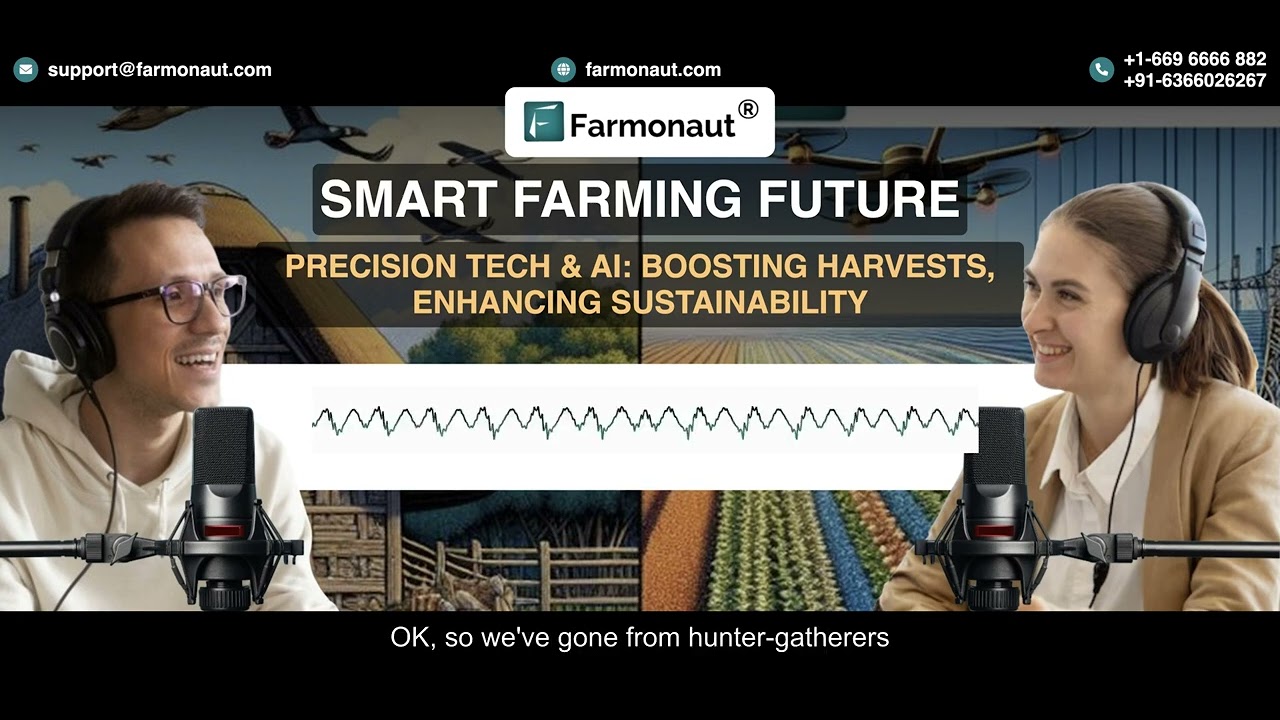
Precision Agriculture and Data-Driven Farming Practices: A US Perspective
The rise of precision agriculture marks a transformative leap in farming practices in the USA. By 2026, the widespread adoption of GPS, satellite imagery, IoT sensors, and data-based platforms will become the standard for the American farmer. These technological advancements allow farmers to monitor soil health, moisture levels, and crop growth in real-time, enabling precision application of fertilizers, pesticides, and water only where needed.
- 🎯 Focus keyword: Precision farming techniques dominate the trends in agricultural practices in the USA.
- 📈 Data insight: Over 60% of US crop producers are expected to use precision ag tools by 2025–2026.
- 🚩 Risk: Initial infrastructure and tech investments require capital and training for farmers.
Artificial intelligence (AI) and machine learning are now at the core of this evolution. Predictive analytics process satellite-detected patterns, alerting to upcoming pest outbreaks, weather trends, or yield shortfalls. The integration of AI refines decisions at every stage—ensuring higher productivity and cost savings, and minimizing environmental waste.
- Utilize real-time satellite imagery platforms—such as those offered by companies like Farmonaut—to gain up-to-date, field-level data. This enhances response speed for irrigation, fertilization, and pest management, helping to optimize both yield and profitability.

A few core components of modern precision agriculture include:
- 🛰️ Satellite Monitoring: Tracks crop growth and soil moisture at scale.
- 🚁 Drones: Perform high-resolution field surveys for early stress detection.
- 🌦️ IoT Sensors: Monitor soil conditions, water needs, and microclimates with precision.
- 🤖 Analytics Platforms: Use AI and ML for yield forecasting and resource optimization.
The benefits of these tools extend far beyond operational efficiency:
- ✔️ Reduced water & fertilizer input: Targeted application based on real data.
- ✔️ Lower environmental impact: Less runoff and chemical overuse.
- ✔️ Better yield predictability: Informed planning and risk mitigation.
- ✔️ Workforce optimization: Automation reduces manual labor needs while requiring new tech skills.

For those looking to take a step forward in agritech, platforms such as the Farmonaut Crop Plantation & Forest Advisory deliver intuitive access to satellite analytics, AI-based advisories, and tailored crop management tools—empowering both small and large-scale farm operators.
Sustainable Soil and Water Management: Foundation for Future Farming
In the face of mounting climate challenges and the depletion of natural resources, sustainable soil and water management techniques have become central to agricultural practices in the USA. Farmers are now increasingly prioritizing soil conservation strategies, seeking to preserve structure, enhance organic matter content, and reduce erosion while improving soil fertility for the long haul.
- Many farms still underestimate soil organic matter’s role in nutrient cycling and ignore soil health assessment before changing inputs. Always test before you invest!
- 🌱 No-till & Reduced-till Farming: Minimizes soil disturbance, helps prevent erosion, and improves soil structure, particularly for staple grains like corn and soybeans.
- 🌾 Cover Cropping: Planting crops like clover, rye, or radish off-season boosts organic matter, stabilizes soil, and reduces weed pressure.
- 🔄 Crop Rotation: Alternating crops annually enhances soil fertility, breaks pest cycles, and maximizes yield potential.
- 💧 Drip Irrigation & Soil Moisture Sensors: Ensure efficient water use, critical in drought-prone areas of the Midwest and Southwest USA.
Improving soil health through organic amendments, regular monitoring, and smart management practices can boost both yield and carbon sequestration—qualifying your farm for emerging carbon credit opportunities.

By integrating modern soil monitoring with data-backed management systems, American farmers are better able to balance productivity and sustainability. Satellite-based soil assessment tools, such as those by Farmonaut, offer real-time moisture levels and organic matter tracking, helping to fine-tune irrigation and fertilization routines for optimal output.

Soil and water management is foundational to modern agricultural practices—influencing climate resilience, environmental health, and long-term farm productivity. By 2026, these practices will not just be a best-practice suggestion—they’ll be a business necessity.
Biotech Advances and Crop Improvement: Transforming American Crop Production
“By 2026, sustainable crop production initiatives in the USA are forecasted to rise by 30% compared to 2022.”
Scientific advances in biotechnology and genetic engineering continue to redefine American crop production and underpin many of the most productive farming practices. As of 2026, new genetically modified (GM) cultivars and CRISPR-edited plant varieties are gaining momentum, offering increased resilience to pests, diseases, and climate extremes—all with lower dependency on chemical inputs.
Current Biotechnology Trends in US Crop Production
- 🧬 GM Crops: Modified to be pest/disease resistant; reduces pesticide application by up to 30–40%.
- 🧩 CRISPR Gene Editing: Provides precise genetic improvements for crop quality and yield stability.
- 🌽 Climate-Adapted Breeds: Varieties that can tolerate drought, flood, and temperature swings—ideal for variable US weather patterns.

These innovations bring several high-impact advantages:
- 🍃 Reduced pesticide/herbicide use for less environmental impact
- 🍃 Improved food security and less crop loss
- 🍃 Enhanced yield and consistent profits amid unpredictable climate
- 🍃 Better nutritional content for a healthier food supply chain
- Biotech and genomic solutions in agricultural practices represent a multi-billion-dollar opportunity—particularly for those aligned with sustainable, high-yield crop production.
For example, by leveraging Farmonaut’s blockchain-based product traceability, stakeholders can now guarantee seed origin, crop integrity, and supply chain transparency, further promoting consumer trust in the era of GM and edited crops.
- ✅ Enhanced sustainability and natural resource use
- 🔬 Faster, more adaptive breeding programs
- 📈 Yield boosts critical for growing demand

Climate Resilience and Carbon Farming: Leading Edge of Sustainability
The reality of a shifting climate demands continued innovation in agricultural practices in the USA. Climate-smart and regenerative agriculture models are powering a new age of crop production—prioritizing not just yield, but environmental health, carbon sequestration, and ecosystem resilience.
- 🌳 Agroforestry: Integrates trees with crops/pasture for carbon trapping and biodiversity improvement.
- 🪱 Regenerative Agriculture: Focuses on rebuilding soil organic matter, cover cropping, and holistic grazing—restoring degraded land and and boosting ecological systems.
- 💨 Carbon Credit Markets: Provide direct revenue streams for farmers practicing soil-building and carbon farming—via offset sales and sustainability labeling.
- 🌎 Improved farm climate resilience
- 💸 New sources of farm income (offsets & credits)
- 📉 Reduced need for synthetic fertilizers
The shift toward regenerative practices and carbon farming is not just about environmental responsibility—it’s rapidly becoming a financial incentive in the 2026 agriculture market. Farmonaut’s carbon footprinting solutions help quantify and monetize these gains using satellite-based GHG tracking.
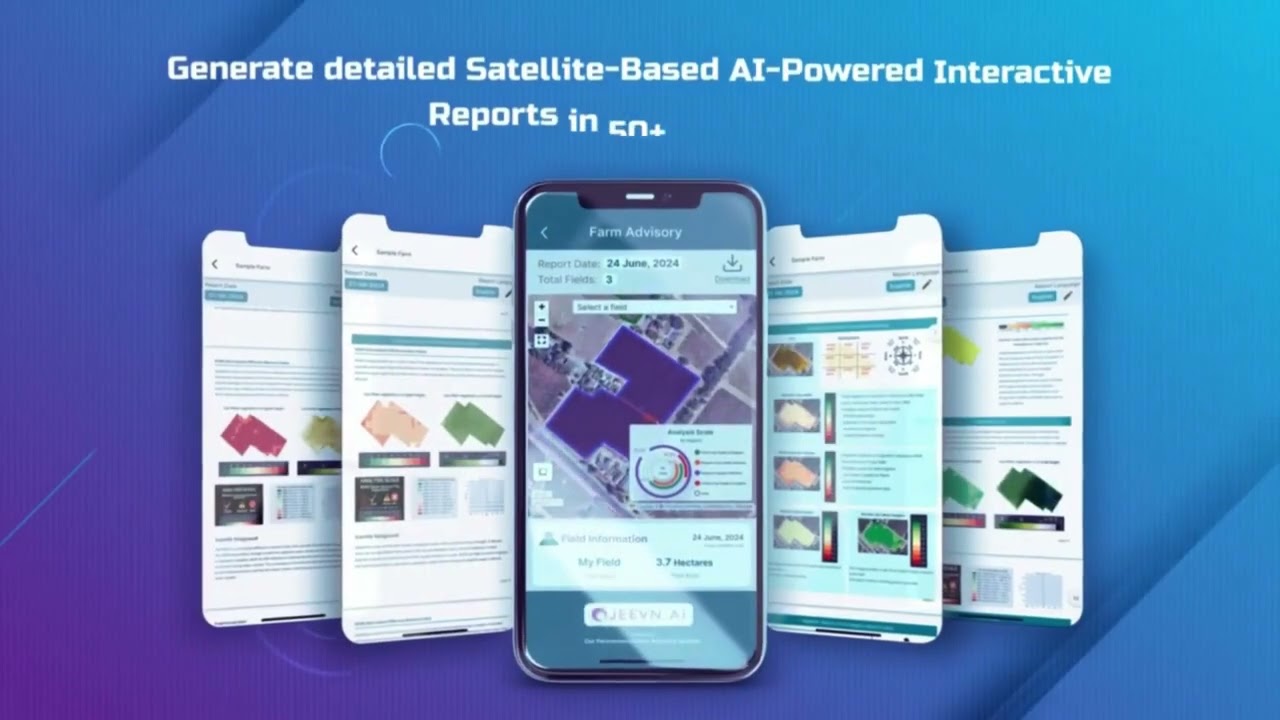
The proliferation of such methods attests to new business models in agriculture: ones that reward stewardship while building long-term resilience into the American food system. The more farms that transition to these regimes, the more robust the US environment and rural economy will become.
Sociological and Economic Dynamics in American Farming Practices
The US agriculture sector’s evolution isn’t defined merely by technology or sustainability, but also by sociological and economic dynamics. As of 2026, we see a blend of large industrial-scale farms with rising small/mid-sized operations focusing on organic and specialty crops.
- 🧑🌾 Labor: Automation—think robots, drones, driverless tractors—is reducing dependence on seasonal labor but increasing the demand for skilled operators.
- 💵 Economic Pressures: Subsidies, conservation incentives, and crop insurance programs influence adoption of advanced methods.
- ⚠️ Challenges: Balancing productivity, environmental stewardship, and profitability in unpredictable markets.
- 🌱 Organic Growth: US organic crop production shows double-digit sales growth amid consumer demand for sustainability and health.
The changing profile of the American farm means adapting continually—by leveraging digital platforms for operational efficiency, using satellite-based verification for loans and crop insurance approvals, and participating in carbon or regenerative programs for diversified revenue.
Many mid-sized American farms delay adopting digital tools or data-driven methods, fearing complexity. The reality is: user-friendly satellite platforms and APIs make advanced monitoring accessible even with limited tech skills.
Digital Marketplaces and Infrastructure: The New Backbone of Agricultural Innovation
The digitization of agricultural supply chains gives farmers unprecedented market access, price transparency, and the ability to improve profit margins. Online platforms now directly link US crop producers and buyers, reducing costly intermediaries and improving efficiency at every stage.
Equally crucial is the expansion of rural broadband and digital infrastructure. With full connectivity and mobile-responsive applications, farmers anywhere in the USA can now access real-time agricultural data and participate in digital markets.
- API-driven agriculture solutions like Farmonaut Fleet Management are enabling full remote oversight of machinery and resources—significantly reducing costs and downtime for large-scale US farms.
- Developers and agribusiness can integrate satellite analytics seamlessly with Farmonaut’s API and explore its technical documentation for tailored solutions: Developer Docs.
From blockchain-based traceability to cloud-based recordkeeping and fleet optimization, digital technologies are fundamentally reshaping both how agricultural practices in crop production are run and how markets are served. Embracing these changes is key to future-proofing US agriculture.



Key Agricultural Practices and Technologies in the USA (2026 Estimate)
| Practice/Technology Name | Estimated Adoption Rate (% of US farms, 2026) | Key Benefits | Main Technologies Involved | Estimated Cost Range | Example Use Cases |
|---|---|---|---|---|---|
| Precision Farming | 65–70% |
|
|
$10–$30/acre (annual, varies by tech stack) | Corn, soybeans, wheat, vegetables |
| Sustainable Crop Production | 55–60% |
|
|
$18–$40/acre | Grains, legumes, organic farms |
| Smart Irrigation | 38–45% |
|
|
$45–$150/acre (installation+monitoring) | Fruit/vegetable farms, arid regions |
| Drone Technology | 44–48% |
|
|
$7,000–$30,000 (hardware), $2–$10/acre (service) | Pest scouting, NDVI mapping |
| Soil Monitoring | 63–68% |
|
|
$20–$80/acre/year (device+data) | Large row crops, permanent crops |
| Data-Driven Decision Making | 51–56% |
|
|
$5–$24/acre (software subscription) | All crop types, farm sizes |
- Practices with highest adoption rates—such as precision ag and soil monitoring—offer both short-term ROI and long-term strategic resilience as they reduce input costs and prepare farms for increasingly data-centric supply chains.
Farmonaut: Transforming US Agriculture with Satellite Technology
In the fast-evolving world of agricultural practices in the USA, the need for affordable, real-time and actionable insights has never been higher. This is where Farmonaut stands out. As a satellite technology company, we are committed to empowering farmers, agribusinesses, and governments with next-gen monitoring, resource optimization, and sustainability analytics.
- 🛰️ Satellite Monitoring: We enable decision-makers to access field-level NDVI, soil moisture, and structural health data from space.
- 🧠 AI-Powered Insights (Jeevn AI): Our Jeevn System delivers customized crop & weather advisories, enabling rapid response to emerging risks.
- ⛓️ Blockchain Traceability: We record critical resource/crop data to ensure fully secure, transparent supply chains across the sector.
- 🚚 Resource Management: Our platform tracks & optimizes usage for fleet, equipment, and field assets.
- 💧 Environmental Impact Tracking: With real-time carbon footprinting, we help enterprises meet regulatory compliance and sustainability benchmarks.

Farmonaut’s business model is designed for accessibility—delivered via web, iOS, and Android apps. Flexible API options support integration into existing farm management systems. Subscription tiers fit everyone from the independent grower to the large enterprise.
- 🔗 Farmonaut Fleet Management: Monitor, deploy, and optimize field machinery and logistics from any device.
- 🔗 Farmonaut Carbon Footprinting: Access satellite-driven GHG analytics for eligibility in carbon markets and regulatory compliance.
- 🔗 Farmonaut Blockchain Traceability: Guarantee product transparency and build supply chain trust in food, fiber, and raw materials.
- 🔗 Farmonaut Crop Loan & Insurance Verification: Speed up loan/insurance approval via satellite-based on-field verification.
- 🔗 Farmonaut Large-Scale Farm Management Tools: Custom admin interfaces for multi-operator, multi-region agriculture.
For developers, Farmonaut’s API and Developer Docs offer seamless integration of satellite, weather, and crop analytics into custom agri-software solutions.
FAQ: Agricultural Practices in the USA – 2026 and Beyond
- 1. What is the most popular agricultural practice in the USA today?
- In 2026, precision farming is the most widely adopted practice, utilized by over 60% of US farms for optimized crop management, resource use, and yield prediction.
- 2. How are digital and satellite technologies changing US farming?
- Digital solutions like satellite imagery, AI analytics, and blockchain traceability are streamlining farm management, ensuring transparency, and enabling real-time adaptation to environmental challenges.
- 3. Are sustainable practices cost-effective for small farms?
- Yes, sustainable approaches such as cover cropping, no-till, and data-driven irrigation show long-term returns in soil fertility, resilience, and eligibility for carbon credits/incentives—even for modestly sized farms.
- 4. What role does Farmonaut play in modern US agriculture?
- Farmonaut provides field-level insights via satellite, AI, and blockchain, assisting stakeholders with crop monitoring, resource management, environmental impact tracking, and supply chain verification.
- 5. How can farmers get started with Farmonaut’s tools?
- Farmers can access Farmonaut’s services via the web app or mobile apps for 24/7 access to real-time satellite and advisory insights. Business and integration services are available through API and enterprise portals.
- With most major US crops managed with precision farming, digital oversight, and sustainable practices, the next decade will define how the nation balances food security with environmental stewardship.
- 🌾 Crop Production: Modern techniques continue to drive consistent yield and resource efficiency for staple crops like corn, soybeans, and wheat.
- 🌎 Environmental Stewardship: Soil conservation and smart irrigation support both output and ecosystem health.
- 💡 Technology Integration: The adoption of AI, drones, GIS, and blockchain defines contemporary US farming practices.
- 📊 Market Access: Digital infrastructure and supply chain traceability underpin profit, reputation, and export capacity.
- 🛠️ Adaptability: The best-positioned farms continually evolve, blending tradition with innovation and scaling as the sector matures.
Conclusion: The Future of Agricultural Practices in the USA
As US agriculture enters a critical period of transformation, the fusion of agricultural practices in crop production with technology, data-driven insights, and sustainability imperatives is setting new standards for the world. Precision farming, climate resilience, sustainable management, and smart digital infrastructure will be the enduring themes shaping American crop production well into 2026 and beyond.
Whether you are a producer, investor, policymaker, or agri-enthusiast, understanding—and adopting—the latest innovations, trends, and best practices is essential to sustaining the national economy, food security, and environmental health for future generations.
For those seeking advanced, affordable, and accessible monitoring and decision-support tools, Farmonaut’s platform offers tailored solutions leveraging the power of satellite imagery, AI, and blockchain for every scale of operation.
The next era of American agriculture is already here—rooted in data, guided by sustainability, and empowered by innovation.

 Sun Palm Australia
 Grandstream Algérie
 XOS Realty
 Geospatial Lab Africa
 KhetiBuddy
 Agro La Gándara
 HIPSAC
 ZOL Zimbabwe
 Juligerm
 AdBio
AdBio MISE Maroc
 NWNS
NWNS Red August Group
 Farm Inc
 WeMe Global
 Agrotoken
 Blue BearX
 Insignito
 Croptimum
 DnCubed
