

Organic Farming Methods: Vertical, No-Till, Early Tips for 2025 & Beyond
“Vertical farming uses up to 95% less water than traditional methods, revolutionizing sustainable agriculture by 2025.”
Introduction: Rethinking Organic Farming for the Future
Organic farming methods have emerged as vital strategies addressing the increasing challenges of sustainable food production in 2025 and beyond. With environmental concerns mounting and consumer preferences changing toward healthier, more eco-friendly options, modern organic growing methods incorporate both the wisdom of early agriculture and innovative techniques—including no-till farming methods and vertical farming methods.
At the core of organic agriculture methods is an emphasis on nurturing the soil, relying on natural inputs, fostering biological processes, and minimizing the use of synthetic fertilizers, pesticides, and GMOs. This blog post explores the most impactful techniques shaping the future of organic farming, with actionable tips and a clear comparison for anyone aiming to enhance productivity, protect biodiversity, and maintain ecological balance.



Why Organic Farming Methods Matter in 2025 and Beyond
Organic farming methods are more than a response to environmental impacts; they represent an evolving set of practices that protect natural resources, support resilient food systems, and provide healthier options for consumers. As issues like climate change, soil degradation, and biodiversity loss intensify, organic solutions offer measurable benefits including:
- ✔ Reducing pollution by avoiding synthetic inputs
- 📊 Improving soil health with organic matter and no-till techniques
- ✔ Enhancing ecosystem resilience through crop diversity and cover crop use
- ⚠ Addressing land and resource scarcity with vertical farming methods
- ✔ Supporting consumer trends towards safer, sustainably produced food
In the unfolding landscape of agriculture, staying informed on innovative and traditional practices is essential for growers, policymakers, and conscious consumers alike.
Understanding Early Farming Methods: The Historical Foundation
Early farming methods—dating back thousands of years—laid the groundwork for modern organic approaches. Ancient farmers relied on natural soil fertility, crop rotations, animal manures, and local knowledge. These principles remain central to organic agriculture today, especially:
- ✔ Crop rotation to interrupt pest cycles and foster fertility
- 📊 Composting for natural nutrient recycling
- ✔ Polyculture systems that mimic nature’s diversity
- ✔ Seasonal planning for local climate adaptation
- ✔ Minimal soil disruption to preserve microorganism habitats
While technology has advanced, these time-tested organic agriculture methods inform every modern innovation in sustainable food production.
“No-till farming can increase soil organic matter by 30% over a decade, enhancing soil health and sustainability.”
Core Principles & Benefits of Organic Agriculture Methods
- ✔ Use of natural inputs: Compost, manure, green manures, and natural mineral sources are prioritized over synthetic fertilizers.
- ✔ Biological processes are encouraged: Promoting the activity of beneficial soil anaerobes and other microorganisms.
- ✔ Cultivate crops without synthetic pesticides, fertilizers, and GMOs—safeguarding health and biodiversity.
- ✔ Emphasizes ecological balance: Integrating crop and animal systems to improve system resilience.
- ✔ Reduce pollution and improve sustainability by avoiding harmful agents in the ecosystem.
Organic farming methods remain dynamic, with the integration of scientific understanding and innovative tools continuously advancing sustainability, productivity, and food security.
No-Till Farming Methods: Preserving Soil & Boosting Resilience
Why No-Till Is Transforming Organic Farming in 2026
No-till farming methods eliminate the need to regularly plow or till the soil before planting, thus significantly reducing soil disturbance and protecting the physical structure and thriving microbiota.

The benefits of adopting no-till organic growing methods include:
- ✔ Retaining soil organic matter and moisture
- ✔ Reducing erosion and preserving topsoil
- 📊 Enhancing fertility and carbon sequestration
- ✔ Improving drought resistance—supporting climate mitigation
- ✔ Lowering labor and fossil fuel consumption (no major mechanical tillage)
Essential Techniques within No-Till Organic Farming Methods
- Permanent Soil Cover – Use cover crops and living mulches to protect the soil, improve fertility, and suppress weeds naturally.
- Residue Retention – Leave crop residues on fields after harvest, providing continuous organic matter input and erosion control.
- Biological Pest Management – Encourage beneficial organisms to manage pests without synthetic chemicals.
- Reduced Traffic – Minimize equipment passes to further reduce soil compaction.
Modern no-till farming methods are particularly beneficial in organic systems, as they support resilience and foster greater biodiversity within farm ecosystems.
Vertical Farming Methods: Urban Innovation, Less Land, More Food
What Makes Vertical Farming So Revolutionary by 2026?
Vertical farming methods represent an innovative solution, especially in urban and land-scarce regions. Utilizing stacked layers under precisely controlled conditions, these systems enable year-round organic food production with significantly reduced water usage, no need for synthetic fertilizers or pesticides, and minimal land footprint.
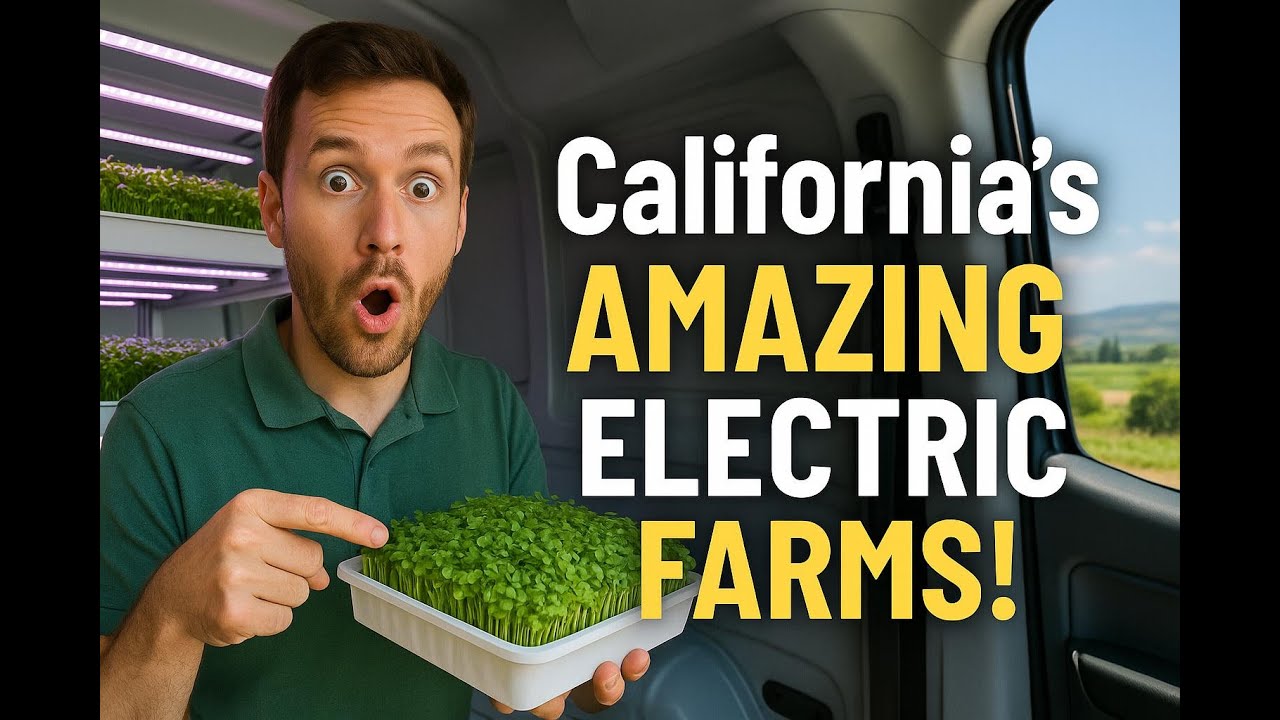
Key Features of Vertical Farming Methods within Organic Agriculture:
- ✔ Hydroponic or aeroponic systems using organic nutrient solutions (no synthetic chemicals)
- ✔ LED lighting mimics sunlight to optimize photosynthesis across layers
- ✔ Automated climate and pest management using biological controls
- 📊 Drastically reduced land and water consumption (up to 95% less water)
- ✔ Year-round production and reduced distribution waste—especially important amid climate variability
By incorporating vertical farming methods into organic systems, we make sustainable agriculture possible in environments that would otherwise be inhospitable.
Comparison Table: Vertical vs. No-Till vs. Conventional Organic Farming
| Farming Method | Estimated Yield Increase (vs conventional, %) |
Soil Health Impact | Water Usage Reduction (%) | Labor Intensity | Initial Investment Estimate | Environmental Benefit Summary |
|---|---|---|---|---|---|---|
| Vertical Farming | 40-100% | N/A (soilless, but preserves external soil duties) | 30-95% | Low (automated), but requires skilled oversight | High (LED, hydroponic/aeroponic setup) | Maximizes land efficiency, water conservation, zero synthetic chemicals, supports urban food supply |
| No-Till Organic Farming | 10-25% | Significant + (increases soil organic matter, promotes biodiversity, reduces erosion) | 10-30% | Low to moderate (less field work needed) | Moderate (new seeders, cover crop investment) | Preserves soil, enhances ecosystem services, effective carbon sequestration, sustainable over decades |
| Conventional Organic Farming | Standard baseline | Healthy (if crop rotations & organic manure used) | 5-20% | Moderate to high (regular manual operations) | Low to moderate (traditional tools/seeds) | Low environmental impact, supports biodiversity, potentially less efficient in scarce resource settings |
Modern Tools Empowering Organic Farming Methods

The evolution of organic growing methods is driven by the smart use of modern technologies and real-time data. These advances help farmers optimize resources within organic standards and meet new regulatory, climate, and marketplace demands.
- ✔ AI-driven crop and pest monitoring: Alerts and data for improved decision-making.
- 📊 Soil health sensor integration: Personalized advice on organic matter and nutrient balancing.
- ✔ Blockchain-based traceability: Ensuring transparency from seed to market (see our product traceability solution)
- ✔ Resource management APIs: Integrate environmental and satellite monitoring data with your farm tools
Farmonaut API |
Developer Docs - ✔ Fleet management for agricultural logistics: Track and optimize vehicles and machinery via Farmonaut Fleet Management solutions.
- ✔ Carbon footprinting across soil and farm practices. See our tool: Farmonaut Carbon Footprinting.
Best Early Tips for Organic Farming Success
- Plan crop rotations strategically—alternate deep-rooted and shallow-rooted crops every season.
- Implement no-till practices where possible to maintain soil structure and biological health.
- Start with manageable areas in vertical farming projects to master environmental control before scaling up.
- Monitor pest and disease pressure continuously—use organic biological controls and trap crops.
- Install rainwater harvesting and irrigation sensors to reduce water use, especially in vertical and soilless systems.
- Analyze soil microbiota and organic matter content annually to track health improvements (ask us about Farmonaut Large Scale Farm Management for monitoring solutions).
- Keep detailed records for compliance, traceability, and data-driven optimization.
- Leverage compost and green manure as foundational nutrient sources.
- Participate in local/regional knowledge networks to stay updated on regulatory changes and scientific advances.

Combine cover cropping with no-till methods for synergistic soil health, pest suppression, and weed management.
Over-irrigation is a prevalent error in early vertical farming systems. Always calibrate water using sensors and account for real crop uptake.
Early farming methods like crop rotations and compost application remain central even within high-tech organic vertical farms.
Water savings and year-round output make vertical farming attractive for investment—especially when local climate or land scarcity limits conventional options.
The integration of AI-based advisory systems and real-time soil health monitoring will define organic agriculture’s leadership in sustainability by 2026.
Visual List – Top Benefits of Modern Organic Methods
- 🌱 Preserving soil fertility and biodiversity with no-till and crop rotation
- 💧 Reducing water usage by up to 95% by integrating vertical farming methods
- 🌾 Improving ecosystem resilience and carbon sequestration
- 🔎 Enabling precise resource use and boosting yields with smart sensors
- 📦 Enhancing supply chain transparency via blockchain traceability
Visual List – Key Risks & Considerations
- ⚠ High initial investment for vertical farming infrastructure
- ⚠ Transitioning to no-till may require new equipment or techniques
- ⚠ Pest & disease dynamics can shift in closed vertical systems: proactive biological management needed
- ⚠ Energy use for lighting/climate control in indoor vertical setups
- ⚠ Knowledge gap: continual learning and field monitoring is necessary
Farmonaut Insight: Satellite-Driven Solutions Support Organic Innovation

As a pioneer in satellite technology for agriculture, we at Farmonaut are committed to providing affordable, real-time monitoring and AI-based advisory tools that empower organic producers to optimize resource use and minimize environmental impact in 2026 and beyond.
- 🌎 Monitor carbon footprinting on organic and regenerative farms to track long-term impact.
- 📦 Secure product traceability for organic food and supply chain compliance.
- 📲 Use our web, Android, or iOS app for instant field analytics and health assessment of crops.
- 🔒 Empower compliance and quality control for organic certification.
- 📉 Reduce resource waste, input costs, and environmental footprint across diverse organic farming methods.
We champion the use of satellite insights, blockchain traceability, and AI-driven advisories for sustainable food systems and environmentally responsible agriculture. Our APIs and web/mobile platforms connect you to practical tools for organic, no-till, and vertical farming methods.


FAQs: Organic Agriculture Methods in 2026 & Beyond
Q1. Can organic farming methods truly match conventional yields in 2026?
With innovations like vertical farming methods and improved no-till techniques, yield gaps are narrowing.
Vertical setups can actually achieve 40-100% greater output per area in ideal crops (e.g., leafy greens, herbs), while no-till enhances long-term
soil productivity and resilience. Adapting to crop and climate conditions is key.
Q2. How do I decide between vertical, no-till, or conventional organic approaches?
Consider your location, resource availability, investment capacity, and desired outcomes.
Vertical farming is best for urban/indoor sites or space-limited/harsher climates.
No-till methods are optimal for field settings aiming to build soil health over time,
while conventional methods suit those starting with limited resources or transitioning from traditional systems.
Q3. Is pest control harder without synthetic chemicals?
Organic growing methods focus on prevention, crop diversity, and biological controls. It may require more proactive monitoring
but technology and global experience are making pest and disease management increasingly effective (see this video).
Q4. What is Farmonaut’s role in organic and sustainable agriculture?
We at Farmonaut deliver satellite-driven monitoring, resource management, and traceability solutions to advance sustainable,
organic agriculture, mining, and infrastructure. We offer cost-effective, real-time insights to users, corporations, and governments across the globe.
Q5. How should I start with vertical farming methods?
Start small, focus on one or two high-value crops, automate environmental and irrigation controls,
and gradually scale up. Monitor power and water use, optimize plant density per layer, and always ensure organic input compliance.
Conclusion: Embracing Tradition & Innovation
The future of organic farming methods is shaped by the blend of long-established practices and game-changing innovation. No-till and vertical farming offer complementary pathways to improved outcomes:
No-till organic agriculture methods enhance soil health, boost biodiversity, and support climate mitigation. Vertical farming methods deliver
high-yield organic food production in urban and resource-scarce environments, using minimal water and land.
Our mission at Farmonaut is to empower this transformation—providing access to the latest in satellite imaging, AI-based analytics, blockchain traceability, and operational management tools for every organic farmer, big or small.
As environmental challenges persist and food security remains paramount, investing in robust organic agriculture methods—rooted in both tradition and innovation—is our best hope for sustainably feeding the world in 2026 and the decades ahead.
For more information, start optimizing your fields today with Farmonaut’s advanced organic farming solutions, available via web & mobile apps and satellite API.

 Sarvome
 Polaris Digitech
 Teledarbas
 Wild Oak Farm
 SFX
SFX BACF Africa
 Doodlakine
 Exurbia Geospatial
 FieldZero
 Indico Company
 Kubota
 FFBS
FFBS Jontra
