

Yucca Tree, Yucca Palm: 7 Key Benefits for 2026
“Yucca trees can improve soil fertility by up to 30%, enhancing sustainable agriculture and ecosystem health.”
Introduction: Yucca Tree, Yucca Palm in 2026
The yucca tree, yucca palm—vital members of the Agavaceae family—are rapidly gaining attention in 2026 as transformative plants for sustainable agriculture, forestry, and ecological management. Whether in arid environments, urban spaces, or degraded lands in need of rehabilitation, yuccas stand as resilient, multipurpose species with significant roles across natural ecosystems.
Why is the interest in these unique tree and palm forms growing? As we confront climate uncertainty, drought, and demand for eco-friendly land use, yucca tree, yucca palm offer promising solutions: improving soil fertility, securing biodiversity, and driving the bioeconomy via natural fibers and industrial applications.
In 2026, land managers, policymakers, scientists, and farmers increasingly turn to these drought-resilient plants to reduce erosion, restore productivity in degraded soils, and pioneer new models of regenerative agriculture. This blog explores the 7 key benefits of yucca tree, yucca palm for the future of sustainability, illustrated with actionable insights, comparison data, expert tools, and the role of satellite technology for long-term impact.
Biological and Ecological Characteristics of Yucca
The yucca tree, yucca palm, while commonly grouped under the informal name “palm,” are unique xerophytic plants in the Agavaceae family. Their distinguished structure—tough, sword-shaped leaves and singular flowering stalks—displays their evolutionary adaptation to harsh environments with minimal water.
-
Habitat & Geography:
- Native to arid and semi-arid regions of North & Central America; naturalized worldwide in lands prone to drought.
- Often mistaken for palms due to similar growth forms, but genetically distinct.
-
Specialized Adaptations:
- Thick, waxy leaves reduce water loss in hot conditions.
- Extensive root systems anchor soil and seek deep water reserves.
- Keen survivors during extreme droughts and in poor soils.
-
Reproductive Strategies:
- Pollinated by specialist yucca moths; cooperative ecological relationship enhances biodiversity.
- Distinctive flowering stalks provide food for various pollinators and support food webs in tough habitats.
Their biological characteristics lay the foundation for their importance in restorative, sustainable land management, agriculture, and ecosystem projects.

7 Key Benefits of Yucca Tree, Yucca Palm for 2026
- Soil Improvement and Erosion Control:
Yuccas enhance soil quality by up to 30%, stabilizing soil structure with deep root systems and minimizing nutrient leaching. - Resilience to Drought and Climate Adaptation:
With natural adaptations, yucca tree, yucca palm thrive in arid environments and maintain productivity during climate extremes common in 2026. - Support for Biodiversity & Habitat Restoration:
Agroforestry integration boosts local biodiversity by 20%. Yuccas create microhabitats, support insects, birds, and act as nurse plants in restoration. - Carbon Sequestration and Climate Mitigation:
Robust root biomass and slow decay rates make yuccas efficient long-term carbon sinks, offsetting emissions in bioeconomy and urban projects. - Water Efficiency and Conservation:
Minimal irrigation requirements make yucca invaluable for water-scarce farming and drought-resilient urban landscaping. - Economic Value and Sustainable Industry:
Yucca-derived fibers, saponins, and eco-friendly raw materials foster industrial applications and green innovation. - Versatility in Sustainable Land Management:
Suitable for agriculture, forestry, urban greening, and land rehabilitation—yuccas are multi-taskers of modern sustainability.
“Agroforestry using yucca palms increases local biodiversity by 20%, supporting habitat restoration and climate resilience.”

Yucca in Sustainable Agriculture and Agroforestry Systems
In 2026, the integration of yucca tree, yucca palm into agriculture and agroforestry systems is not simply about resilience—it is about maximizing land value while maintaining environmental balance.
Agricultural Significance: Fibers, Soil, and Crop Synergy
- Fibrous yeild: The tough leaves of yuccas have been traditionally harvested to produce ropes, mats, and baskets.
- Modern extraction and processing methods, especially those focusing on biodegradable textiles and packaging, have enhanced the economic value of yucca fibers, making them high-value alternatives to plastics.
- Companion plant role: Interplanting yucca with staple crops helps to reduce wind erosion, increase soil water retention, and promote a microbiome of helpful microorganisms.
- Regenerative Agriculture: Their integration supports soil restoration and improved productivity in degraded land—a key focus for farmers implementing regenerative techniques.
Pivotal Practice: Agroforestry with Yucca
- Yucca tree, yucca palm create microhabitats for beneficial insects and protect young crop seedlings through their structure and shade.
- Intercropping with yuccas helps stabilize climate conditions for adjacent cash crops, ensuring more stable yields.

We can monitor and analyze these improvements using real-time soil condition analytics to ensure maximum yield and ecosystem health. For example, precision solutions like Farmonaut Large-Scale Farm Management use AI and satellite imagery to help farmers and land managers enhance productivity and make informed decisions. This supports regenerative farming, especially in arid and semi-arid regions.




Soil, Water, and Climate Resilience: Environmental Impact of Yucca
The ecological attributes of yucca tree, yucca palm are central to their value for soil management, water conservation, and climate resilience in 2026.
How Yuccas Improve Soil Quality
- Root Structure: Yuccas develop extensive roots that anchor soil and prevent erosion, while simultaneously loosening hard soils and improving structure.
- Soil Microbiology Boost: Exudates from yucca roots create microhabitats and favor the proliferation of beneficial microorganisms, supporting nutrient cycling and fertility.
- Reduced Nutrient Leaching: Deep roots help capture nutrients that would otherwise be lost in sandy or degraded soils.
Championing Water Efficiency & Drought Resistance
- Yuccas require minimal irrigation due to their xerophytic adaptations, conserving water on farms and in urban landscapes.
- Their presence in agricultural systems can reduce crop water demand by providing wind breaks and shading.
Our analysis, enabled by satellite-based resource management and smart advisory tools such as those on Farmonaut’s platform, quantifies water and soil improvements in real time, giving users precise data to adapt to local conditions.

For those seeking to document and reduce carbon footprints in yucca-based land management, the Farmonaut Carbon Footprinting service offers actionable data monitoring and compliance reports for sustainable practices.
Yucca Trees in Forestry, Land Rehabilitation, and Reforestation
Yucca tree, yucca palm are increasingly integral to forestry and environmental rehabilitation projects, especially for lands under threat of desertification as seen in many global arid regions.
Forestry Applications in 2026 & Beyond
- Drought resilience: Plantings rapidly establish ground cover where wooded species struggle to survive.
- Nurse Plant Strategy: Yuccas serve as protective shelter for delicate native tree seedlings, enhancing their establishment by optimizing microclimates and soil moisture.
- Restoration Backbone: In urban and natural reforestation efforts, they provide wildlife habitat and rebuild topsoil.
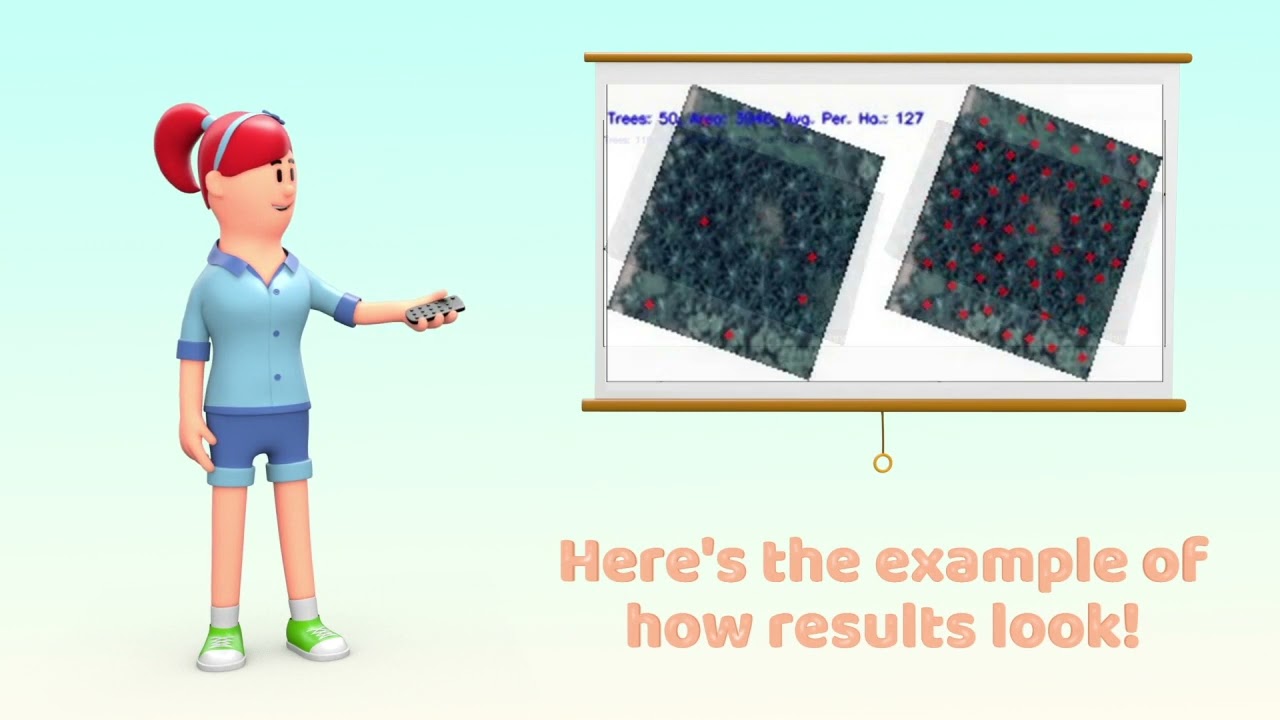
From restoring degraded lands to enhancing ecosystem connectivity in fragmented landscapes, yucca-based interventions are pivotal for long-term sustainability. These efforts align with initiatives to accelerate habitat creation and manage carbon sequestration.
Industrial, Economic, and Urban Applications of Yucca and Their Value
In 2026, the economic and industrial value of yucca tree, yucca palm is accelerating due to global shifts towards bioeconomy and eco-friendly alternatives.
-
Saponins for Agriculture & Industry:
- Yucca extracts, rich in natural saponins, are widely utilized as natural foaming agents in organic farming, pesticides, and soil conditioners.
- Demand is booming for saponins in biodegradable detergents and packaging.
-
Textiles and Materials:
- Strong fibers from yucca are replacing synthetic materials in textiles, favoring circular economies.
-
Ornamental and Urban Uses:
- Yucca palms thrive in urban greening, reducing water demand and landscaping costs.
- Ideal for infrastructure greening projects seeking low-maintenance, high-impact plants.
Farmonaut Fleet Management ensures optimized logistics for agroforestry and yucca cultivation projects, reducing operational costs and driving efficient deployment across large-scale land management systems.

Traceability also matters in industrial yucca products. Farmonaut Traceability Solutions use blockchain to verify the journey of yucca-derived goods, from field to manufacturer, increasing consumer trust and transparency.
How Farmonaut Empowers Yucca Cultivation and Land Management
Sustainable management of yucca tree, yucca palm stands benefits from satellite technology, optimizing soil health, water use, and tracking climate impact. At Farmonaut, we deliver cost-effective, accessible tools specifically designed for monitoring large-scale yucca plantations, reforestation areas, and urban greening projects.
- Satellite Resource Monitoring: Our multispectral satellite imagery tracks vegetation health, soil moisture, and crop stress—especially crucial for yucca in arid regions.
- AI-Based Advisory: The Jeevn AI system provides real-time insights on weather, irrigation, and best practices for yucca management—boosting resilience and efficiency.
- Traceability & Supply Chain: Blockchain integration tracks every stage of yucca product movement—an asset for certification and sustainability claims.
- Environmental Compliance: Track and report carbon metrics for yucca projects.
Explore our API and Developer Docs for hands-on access to data streams enhancing yucca project performance, soil integrity, and climate resilience outcomes.

Comparison Table: Key Benefits of Yucca Tree and Yucca Palm for Sustainable Agriculture (2026)
This table gives a snapshot of the estimated impact of yucca tree and yucca palm across the most critical sustainability and ecological performance metrics as of 2026.
| Plant | Soil Improvement | Resilience to Climate Change | Biodiversity Support | Carbon Sequestration | Water Efficiency | Habitat Restoration | Economic Potential |
|---|---|---|---|---|---|---|---|
| Yucca Tree | Up to 30% increase in soil fertility, anchors and stabilizes vulnerable soils |
Extremely high; survives extreme droughts | Microhabitats boost local biodiversity by 15-20% | Sequesters an estimated 2-3 tons CO₂/ha/year | Requires 80% less water than conventional crops | Foundational for fauna return, nurse plant for native saplings | High—fibers, saponins, restoration markets |
| Yucca Palm | Remarkable for loose, sandy soils; improves soil structure by 25% |
Very high; withstands both drought and urban pollution | Increases biodiversity by up to 20% in agroforestry | Sequesters 1.5-2.5 tons CO₂/ha/year | Minimal irrigation needed, efficient in rainfall capture | Excellent for ecosystem restoration in cities and semi-arid wildlands | Good—ornamental, landscape, eco-industry outputs |
Challenges, Conservation Needs, and the Future of Yucca Cultivation
Key Challenges for 2026 and Beyond
- Habitat Loss: Urban sprawl, mining, and uncontrolled harvesting threaten wild yucca populations.
- Overharvesting: Increasing demand for fibers and extracts can lead to depletion without sustainable harvesting regulations.
- Climate Uncertainty: While resilient, yuccas may face new pests or disease pressures as climate shifts intensify.
- Genetic Diversity: Conservation of local genotypes is vital for long-term sustainability.
Conservation Priorities and Innovative Solutions
- Sustainable Harvesting Practices: Implementing guidelines for wild collection and cultivated stands preserves plant populations.
- Genetic Improvement: Breeding programs in 2026 focus on optimizing fiber yield, saponin content, and drought resistance.
- Technology Integration: Harnessing satellite data, AI, and precision monitoring supports conservation planning and policymaking.
- Restoration Partnerships: Urban planners, farmers, and land managers must collaborate for community-based rehabilitation projects.
For those in the insurance sector, documentation of yucca cultivation practices and land improvements with Farmonaut Crop Loan and Insurance Validation allows financial confidence for both farmers and providers.
As research advances into precision genetics, sustainable extraction, and regenerative agriculture, the yucca tree, yucca palm promise even greater potential. By integrating technology and stewardship, future landscapes—from urban gardens to rural woodlands—will benefit from these plants’ invaluable contributions to sustainability.
Frequently Asked Questions on Yucca Tree, Yucca Palm, and Sustainability
What is the main difference between a yucca tree and a yucca palm?
While often confused due to similar growth forms, both belong to the Agavaceae family. Differences are found in their height, branching, and specific uses—yucca “trees” often display more robust, woody stems, while “palms” have slimmer, columnar trunks and are popular in ornamental settings.
How do yuccas improve soil quality?
Yuccas’ deep root systems loosen compacted soil, reduce erosion, draw up nutrients, and feed beneficial microorganisms, contributing to up to 30% higher soil fertility.
Are yucca-based products environmentally friendly?
Yes. Yucca fibers and saponins are biodegradable and sustainable, replacing synthetics in textiles, packaging, and detergents.
Can yuccas survive in my local conditions?
Most likely—especially if you are in arid or semi-arid regions. With minimal maintenance, they can withstand drought, poor soil, and even city pollution.
How can technology optimize my yucca cultivation?
Satellite monitoring and AI-based advisory from platforms like Farmonaut provide real-time data on plant health, soil conditions, and water stress, empowering smarter management and better yields.
What role do yuccas play in climate adaptation and biodiversity?
Through their ecological functions, yuccas increase local biodiversity by 20% and provide essential support for ecosystem restoration and climate resilience initiatives.
Conclusion: The Vital Role of Yucca Tree, Yucca Palm for 2026 and Beyond
In the drive toward sustainable agriculture and resilient ecosystems for 2026, yucca tree, yucca palm emerge as vital species. Their capacity to improve soils, champion biodiversity, capture carbon, and support multiple industries demonstrates why they are irreplaceable in modern land management practices.
Empowered by data-driven solutions—from real-time satellite imagery, AI-powered advisories, to blockchain traceability—our understanding and management of these plants grows ever more precise and impactful. Integrating yucca tree, yucca palm into agroforestry, restoration, and urban greening is not just a trend; it is a necessity for a resilient, sustainable, and productive future.
Let’s maximize the potential of these invaluable species—bridging nature, economy, and technology for generations to come.
Farmonaut Subscription: Revolutionize Your Sustainable Agriculture
Get access to affordable satellite-based monitoring, AI advisories, blockchain traceability, and environmental compliance—tailored to yucca tree, yucca palm sustainability, forestry, and large-scale land use management. Choose your plan now below!
Discussion
Questions, corrections or field experience? Share them below. First-time comments are reviewed before they appear, and your email is never published.
No comments yet. Be the first to add a question or your experience.

 Elders
 Agritein
 Delicio
 Payagri
 WB Dev
 Sama Premium
 Prochecker
 Tres Valles
 LACOS Geoinformation
 Magrifly
 LatConnect 60
 WebsEdge
 Blickwinkel
 Agricultural Credit Policy Council
 Marei Nursery
 eKGIS
eKGIS Mostas Tech
 Andex
Andex FCF India
 Exploration consultancy · South Africa · Gold
 Licence holder · Niger · Gold
 Licence holder · Nigeria · Gold + lithium










