

Canadian Farming Industry: 7 AgTech Innovations 2026
“By 2025, over 60% of Canadian farms are projected to implement AI-based precision agriculture technologies.”
“Canadian AgTech market investments are expected to surpass $2.5 billion by 2026, boosting innovation and sustainability.”
- Executive Summary
- Canadian AgTech Industry Overview & Trends to 2026
- 7 AgTech Innovations Transforming Canadian Farming by 2026
- Comparative Innovations Table
- How AgTech Is Reshaping Crop Production
- Precision Livestock Management: The New Era in the Cow Industry
- Controlled Environment Agriculture (CEA): Sustainable Growth in Horticultural Industry
- Resource & Environmental Stewardship with AgTech
- AgTech Economics and Policy Support
- Farmonaut’s Role in the Canadian Farming Revolution
- Frequently Asked Questions
Executive Summary: The Future of AgTech in Canadian Industrial Farming
The Canadian farming industry is navigating a period of unprecedented innovation. As global populations continue to rise and climate challenges intensify, Canada’s industrial farming and horticultural sectors are transforming rapidly through advanced AgTech. By 2025 and beyond, these innovations will not only reshape crop production, livestock management, and horticulture but also accelerate sustainability, productivity, and profitability across the nation.
With its vast resources, agricultural diversity, and well-developed infrastructure, Canada stands at the forefront of AgTech—a sector experiencing exponential growth and investment. From AI-powered decision-making to IoT sensors, controlled environment agriculture (CEA), and satellite-based soil and environmental monitoring, the new wave of technologies is addressing both local and global challenges for 2026 and beyond.
In this in-depth guide, we explore the top 7 AgTech innovations transforming the Canadian farming industry, offering insights into their adoption rates, benefits, and regional impacts. Whether you’re a grower, investor, policymaker, or agritech enthusiast, here is your comprehensive resource for the technologies defining the future of farming in Canada.
“Canadian AgTech market investments are expected to surpass $2.5 billion by 2026, boosting innovation and sustainability.”
Canadian AgTech Industry Overview & Trends to 2026
The agtech industry in Canada is undergoing a transformative shift, with AI, IoT, satellite imagery, precision tools, and blockchain solutions amplifying the potential of Canadian farmers. As we approach 2026, these core trends are defining the sector:
- ✔ Precision agriculture integrates AI-driven analytics, IoT sensors, and drone-based data collection—enabling real-time decision-making in industrial farming.
- 📊 Smart livestock management uses wearable sensors and automated systems for optimal health and welfare in the Canadian cow industry.
- 🌿 Controlled environment agriculture (CEA) extends growing seasons, boosts yields, and reduces environmental impact for the horticultural industry.
- ⚡ Resource stewardship: Technologies for soil health, water conservation, and carbon footprint tracking are aligning the Canadian sector with climate goals.
- ⬆ Economic growth: Widespread technology adoption is creating high-skilled jobs, supporting innovation, and driving rural prosperity across Canada.
Within five years, AgTech adoption will be a decisive factor separating high-performing Canadian farms from their peers, with smart resource management and environmental compliance central to growth.
The collective impact of these technologies is not just an operational upgrade—but a vital response to the complex demands of food security, climate change, and resource stewardship in the 21st century.
Top 7 AgTech Innovations Transforming Canadian Farming by 2026
Here we unveil the seven most influential AgTech innovations shaping the future of the Canadian farming industry. Each technology supports sustainable, profitable, and resilient agricultural production—helping farmers drive better outcomes across crop, livestock, and horticultural sectors.
- AI-Based Precision Agriculture Tools (analytics, automated mapping, variable-rate technology)
- Satellite Imagery & Remote Sensing (soil health, crop stress, yield forecasts)
- IoT Sensors and Data-Driven Farm Management (weather, irrigation, asset tracking)
- Drone Technology for Monitoring & Application (scouting, planting, targeted spraying)
- Blockchain-Enabled Traceability & Food Safety (supply chain transparency, quality assurance)
- Automated & Smart Livestock Systems (health monitoring, automated feeding, climate controls for the cow industry)
- Controlled Environment Agriculture (CEA) (hydroponics, advanced greenhouses, vertical farming for the horticultural industry)
Comparative Innovations Table: Canadian Farming Technology Adoption Rates by 2025
| Innovation Name | Estimated Adoption Rate by 2025 (%) | Primary Benefit | Major Crop/Application | Example Canadian Region |
|---|---|---|---|---|
| AI-Based Precision Agriculture Tools | 63% | Higher yield, reduced input waste | Wheat, canola, corn, soy | Prairies (Alberta, Saskatchewan, Manitoba) |
| Satellite Imagery & Remote Sensing | 59% | Soil health, early pest/disease detection | All crops, multi-sector use | Nationwide |
| IoT Sensors & Data-Driven Farm Management | 51% | Efficient water & fertilizer use, asset tracking | Row crops, horticulture, livestock | Ontario, British Columbia |
| Drone Technology | 47% | Pest management, crop monitoring, targeted spraying | Cereals, horticulture, specialty crops | Quebec, Saskatchewan |
| Blockchain Traceability & Food Safety | 37% | Supply chain transparency, export competitiveness | All food, especially produce and grains | British Columbia, Ontario |
| Automated & Smart Livestock Systems | 42% | Health, welfare, reduced labor costs | Beef, dairy, poultry | Alberta, Quebec |
| Controlled Environment Agriculture (CEA) | 44% | Sustainable year-round production, reduced water use | Vegetables, fruits, herbs | Ontario, Urban Centres |
🌱 The 3 Pillars of Canadian AgTech Growth
- Precision and Personalization: Tailored solutions based on field, animal, and resource-specific data.
- Automation and Smart Systems: Reducing labor, optimizing schedules, improving consistency, and ensuring data-driven operations.
- Sustainability and Stewardship: Emphasizing lower emissions, less waste, and healthier ecosystems for agriculture.
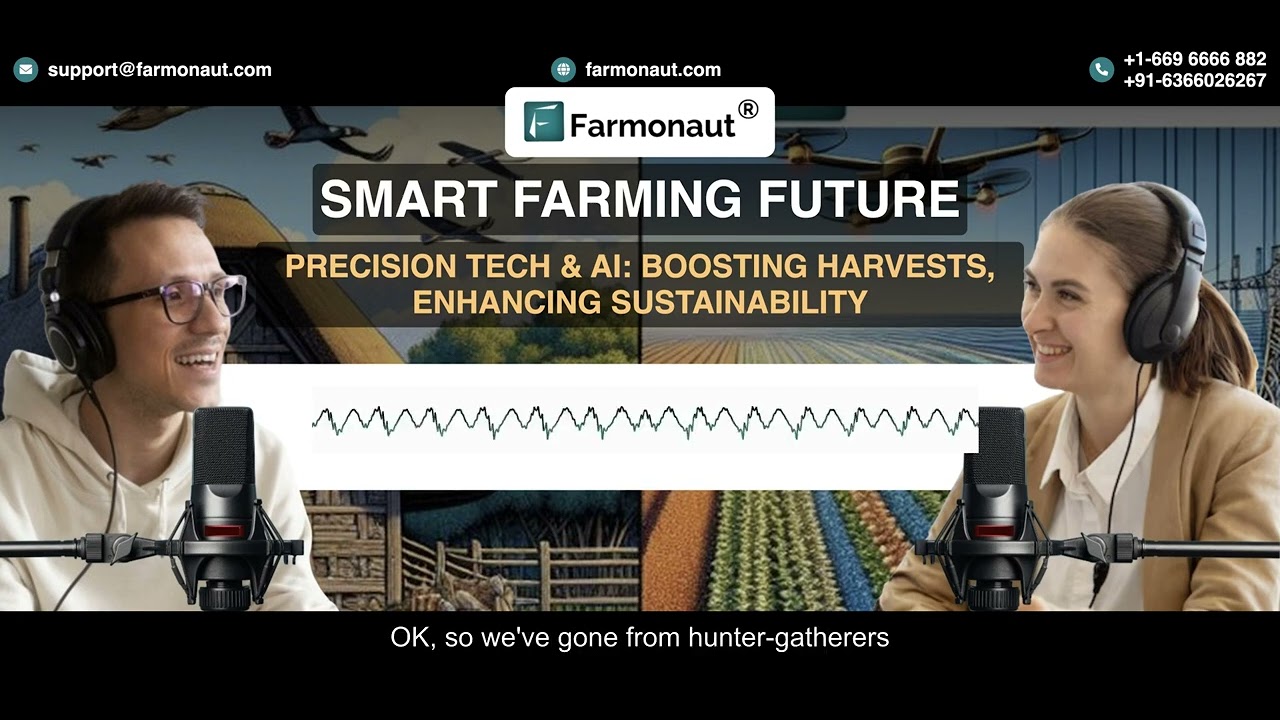
When selecting new AgTech for your farm, always consider integration support and future software upgrades. Scalable platforms—like those offering satellite-based APIs or app compatibility—offer the best return as your operations grow.

How AgTech Is Reshaping Crop Production in the Canadian Farming Industry
One of the most significant developments in Canadian industrial farming is the adoption of precision agriculture. Leveraging satellite imagery, AI analytics, drones, and IoT sensors, farmers gain granular visibility over their fields. Real-time data enables growers to monitor soil conditions, predict crop growth, and detect pest populations with unprecedented accuracy.
- 📡 Satellite imagery: Assess NDVI (Normalized Difference Vegetation Index), soil moisture, and crop health to detect early stress and disease for improved yield planning.
- 🕹 AI-powered analytics: Turn raw data into actionable insights—suggesting optimized input rates (fertilizer, water, pesticides) and alerting to abnormal field patterns or climate stress.
- 🚁 Drones: Automate crop scouting, field mapping, and even variable-rate input application—reducing waste, costs, and environmental impact.
- 🌦 IoT sensors: Provide real-time soil, moisture, and weather data—enabling zone-based management, greater resource efficiency, and reduced guesswork.
For example, precision systems allow fields to be divided into management zones, enabling variable rate seeding or fertilizer application tailored to specific soil conditions. The result: higher yields, conserved resources, and lower emissions—a vital step for farmers facing increasingly stringent environmental regulations and consumer demand for sustainable produce.
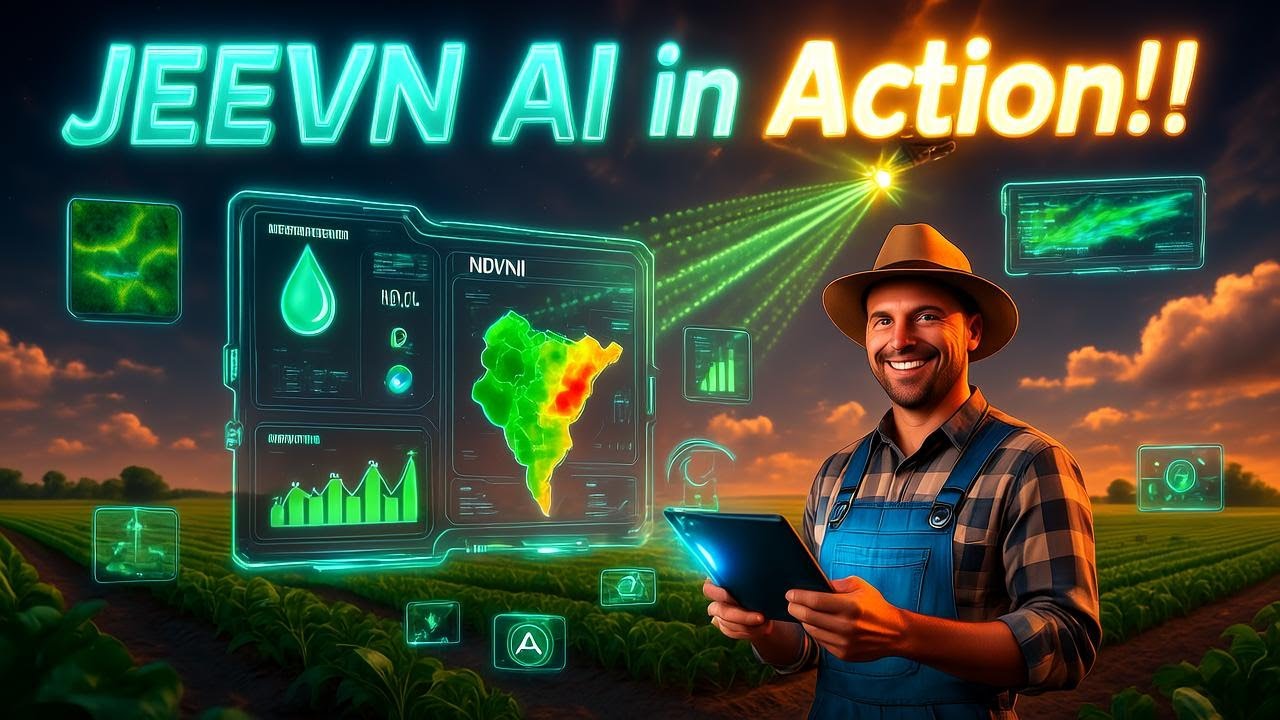
At Farmonaut, we provide satellite-based remote crop monitoring through advanced multispectral imagery, AI advisory, and real-time alerts. Our platform supports large-scale farm management, helping farmers visualize crop health dynamics, plan input use, and boost sustainability—directly from any device.

Ignoring in-field data accuracy can reduce the value of your precision tech. Always calibrate your IoT sensors and combine multiple data sources—like drones, satellite, and ground observations—for the most reliable decisions in crop management.
For custom integration, developers and ag companies can utilize the Farmonaut Satellite API for direct access to vegetation health, weather insights, and advisory. Full API documentation is available here for agile development and farm data ecosystem expansion.

Precision Livestock Management: The New Era in the Cow Industry
Canadian beef and dairy industries are leveraging AgTech solutions to enhance animal health, welfare, and productivity. The arrival of wearable sensors, IoT-connected barns, and automated feeding is transforming livestock operations and the entire cow industry.
- 💡 Wearable sensors: Track vital signs, movement patterns, and temperature—alerting farmers to early signs of illness, stress, or abnormal behavior before conditions become severe.
- 🤖 Automated feeding systems ensure precise nutritional delivery, while climate-controlled barns help optimize comfort, growth rates, and milk yield.
- 🧬 Genetic and data-driven selection: Informed by health, fertility, and productivity analytics—supporting robust, resilient herds for the future.
🐮 Top 3 Benefits of Smart Livestock Management
- Higher animal welfare and reduced disease losses
- Improved milk and meat production, even under climate stress
- Lower labor requirements and data-driven compliance with animal welfare standards
Many Canadian agri-businesses upgrading to automated and data-driven livestock systems are actively seeking capital. As market access and consumer welfare standards increase, technology-driven animal agriculture remains an attractive investment segment.
Controlled Environment Agriculture (CEA): Sustainable Growth in the Canadian Horticultural Industry
In regions with harsh winters or limited arable land, controlled environment agriculture (CEA) is revolutionizing the horticultural industry. CEA spans greenhouses, urban vertical farms, and hydroponic/aeroponic systems—delivering year-round production of fruits, vegetables, and herbs with a fraction of the water and chemical inputs.
- 💧 Hydroponic and aeroponic growing eliminates soil-borne disease and reduces water use by up to 90% compared to field systems.
- 🌱 Automated LED lighting and climate controls allow plant growth even in the depth of winter—crucial for urban food security.
- 🏙 Vertical farming supports edible production closer to consumers, lowering transportation emissions and boosting supply chain resilience.
Advanced greenhouses in Ontario and urban centres are projected for an adoption rate of 44% by 2025, helping meet the growing demand for fresh, local produce. These systems are a cornerstone of Canada’s plan to reduce import dependence and secure food sustainability.

Integrating AI-driven climate and nutrient management within CEA will be the next leap—combining energy, water, and input optimization for superior yields across all Canadian seasons.
Accessing capital remains a barrier for some CEA and horticultural projects. Our satellite crop loan and insurance verification tools help streamline financing and risk assessment for growers, supporting expansion in precision agriculture and CEA projects.
Resource & Environmental Stewardship with Canadian AgTech
Climate change and resource constraints are accelerating the adoption of AgTech for monitoring environmental impact and enabling regenerative farming. By 2026, soil health analytics, carbon footprint tracking, and water optimization will be integral to sustainable industrial farming.
- 🌱 Carbon tracking platforms measure and verify sequestration—fueling carbon market participation and government incentives.
- 🌊 Precision irrigation and water sensors enable “just enough” watering, preserving resources and complying with Canadian water stewardship standards.
- 🦉 AI-driven pest and disease alerts minimize blanket pesticide use, supporting both profitability and biodiversity.
- 🍃 Reduced tillage, cover cropping, and agroforestry practices enhance resilience and restore soil carbon.

We support these transformations through dedicated carbon footprinting and product traceability solutions. These tools help farmers and industry stakeholders measure, report, and maximize the sustainability of every hectare, every batch, and every shipment.
Focusing solely on regulatory compliance can obscure the profit benefits of sustainability. Sustainable farms often outperform in market access, input savings, and consumer trust—so assess environmental ROI as a part of core business strategy.
AgTech Economics and Policy Support Within the Canadian Sector
The rapid growth of the Canadian AgTech industry is propelling rural economies and reshaping labor dynamics. With over 60% of farms implementing advanced tech by 2025, new skill sets—spanning data science, environmental monitoring, and robotics—are in high demand.
Government incentives, grants, and training programs are accelerating technology adoption, while digital platforms bring advisory, monitoring, and fleet management to the fingertips of even small- and medium-scale producers.
- AgTech drives job creation in software, consulting, equipment support, and sustainability.
- Financial access expands via satellite-based loan/insurance verification—reducing risk for both banks and farmers.
- Policy aligns with technology, with emission reduction targets and resource efficiency benchmarks embedded into the future of Canadian agriculture.
For small- and medium-sized farms, look for Canadian government or industry grants that offset the cost of technology purchases. Many precision and automated systems now qualify for direct support in 2025 and beyond.
For all Canadian farmers, industry managers, and agronomists: Access real-time monitoring, AI advisories, and resource management tools—download our web or mobile apps today:



Supply chain transparency is now mandatory for export competitiveness in Canadian agriculture. Leverage blockchain product traceability to secure market share and meet global consumer expectations.
Farmonaut’s Role in the Canadian Farming Revolution
As Canada’s AgTech sector intensifies its focus on data-driven, sustainable innovation, we at Farmonaut are committed to empowering the entire agricultural value chain with affordable, advanced technological solutions. Our mission: to make complex satellite insights, AI analytics, and blockchain traceability universally accessible—boosting productivity and environmental stewardship from coast to prairies.
- We enable cost-effective remote monitoring for crop, livestock, and resource management via multispectral satellite data and real-time advisories, accessible on any device.
- Our blockchain traceability solutions ensure Canadian farms, horticultural producers, and food exporters can certify product authenticity and environmental compliance for global markets.
- Through our carbon footprinting tools, Canadian growers monitor their environmental impact, earn credits, and strengthen stewardship for future generations.
- Our subscription platform is scalable for any farm size—bringing the latest AgTech within reach of every Canadian farming operation.
Explore our API for custom deployments, integrate resource management into your web or fleet systems, or manage farm groups at any scale—Farmonaut brings the future of Canadian AgTech to your fingertips.
- Reduces operational costs by optimizing inputs and preventing losses
- Supports compliance with national and export regulations
- Boosts sustainability with dedicated environmental monitoring and reporting
- Grows market value through supply chain transparency and product traceability
- Enables scalability for all farm and food operations—small or large
Frequently Asked Questions: Canadian Farming Industry & AgTech 2026
What is the main driver of AgTech adoption within the Canadian farming industry?
Rising input costs, climate variability, and stricter environmental regulations—combined with strong government support and investment—are driving Canadian farmers to rapidly adopt precision agriculture, remote sensing, and AI-based management.
How do precision agriculture technologies benefit the average Canadian farmer?
They reduce fertilizer, water, and pesticide waste; optimize labor and equipment use; and increase yields—even under variable weather and growing conditions. Over 60% of farms expect to implement these systems by 2025.
Are AgTech platforms like Farmonaut accessible for small- and medium-sized Canadian farms?
Yes! Farmonaut offers economical access to satellite imagery, AI advisory, and blockchain traceability—through web, mobile app, or API. Subscriptions are scalable, meeting the unique needs and budgets of all farm sizes.
What role does blockchain play in export and food safety for Canadian agriculture?
Blockchain-enabled traceability solutions provide secure, transparent records from field to export—essential for global competitiveness, consumer trust, and regulatory compliance.
How does controlled environment agriculture (CEA) fit into Canada’s food security plan?
CEA systems, including hydroponics and smart greenhouses, produce fresh food year-round in regions with challenging climates, cutting import dependence and supporting local food systems.
Geospatial intelligence and environmental monitoring—key aspects of Canadian AgTech—are increasingly leveraged within the mining and infrastructure sectors. Multi-industry satellite-based platforms like Farmonaut are set to drive resource efficiency and compliance across Canada’s natural resource economy by 2026.
Conclusion: The Future of AgTech and Canadian Industrial Farming
The Canadian farming industry is at a tipping point—reshaping production, management, and stewardship through AgTech innovations never seen before. From the Prairies’ precision wheat production, to Ontario’s smart greenhouses, to automated livestock systems in Alberta, advanced technologies are transforming how we grow, manage, and protect food, animals, and natural resources.
With an eye on AI-driven analytics, real-time satellite monitoring, blockchain-enabled food chains, and sustainable water-carbon management, Canada is setting the global benchmark for what’s possible in 21st-century agriculture. By embracing these advancements, Canadian farmers and industry leaders will not only thrive amidst climate and market challenges—but also lead the world in sustainable, efficient, and resilient food systems.
Explore our apps and solutions to take your place at the forefront of Canada’s AgTech revolution.
Discussion
Questions, corrections or field experience? Share them below. First-time comments are reviewed before they appear, and your email is never published.
No comments yet. Be the first to add a question or your experience.

 MCSOD
MCSOD Marei Nursery
 Sayaji Group
 eKGIS
eKGIS Mostas Tech
 Native Seeds
 Andex
Andex FCF India
 Unifrutti Gulf
 Deluxe Conseil
 TVS Electronics
 WICO
WICO Chimera Innovation
 SkyHarvest
 Polaris Digitech
 Licence holder · Niger · Gold










