

Table of Contents
- Introduction to Saskatchewan Farmland Rental Rates & 2024 Trends
- Economic Fundamentals: What Shapes Farmland Rental Rates Saskatchewan
- Farmland Lease Structures: Cash Rent, Share Rent, Custom Farming & Beyond
- Key Economic Drivers for Farmland Rental Rates in Saskatchewan
- 2024 Saskatchewan Farmland Rental Rates & Lease Structures Summary Table
- Current Market Trends Shaping Saskatchewan Farmland Economics
- Implications for Farm Planning, Profitability, and Sustainability
- Practical Guidance for Owners and Operators
- Impact of Land Management and Soil Health on Rental and Value
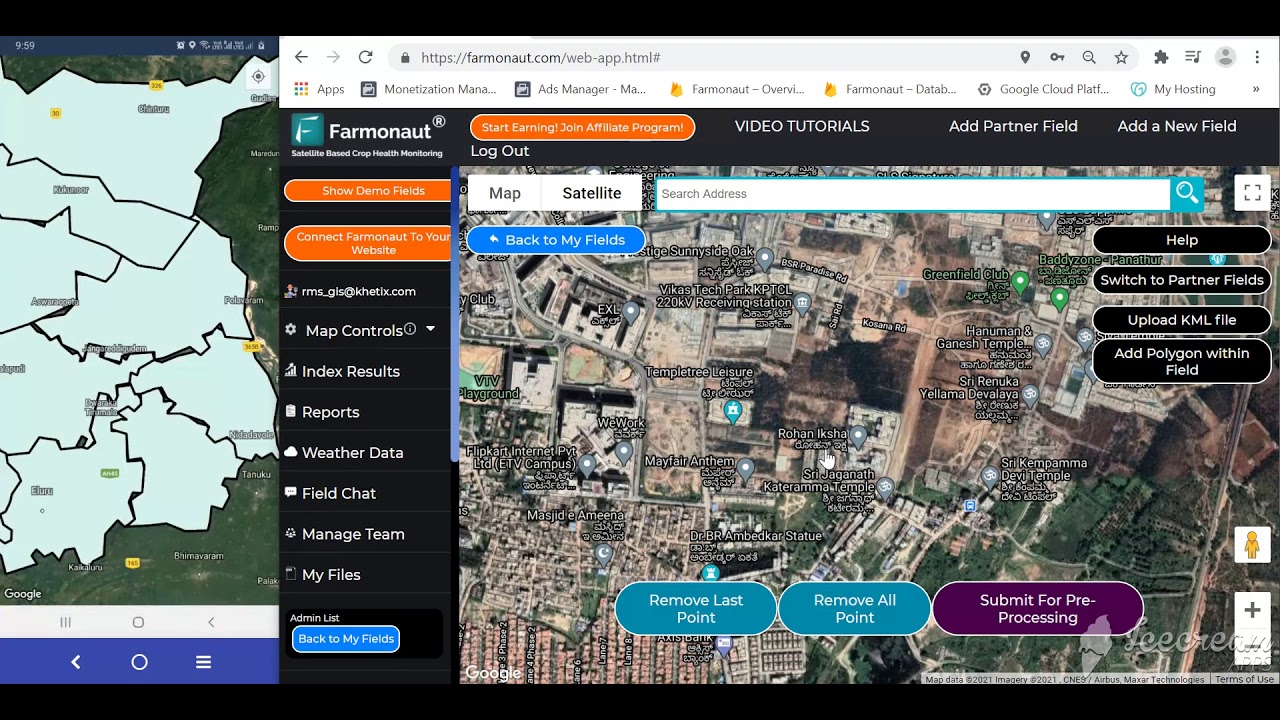
- Integrating Technology: Real-time Insights with Farmonaut
- FAQs: Farmland Rental Rates Saskatchewan & Trends
- Conclusion & Summary
“Saskatchewan farmland rental rates rose by 6% in 2024, reflecting strong demand and shifting commodity prices.”
Farmland Rental Rates Saskatchewan & Prices: 2024 Trends
The economics of Saskatchewan farmland have never been more dynamic. In 2024, the landscape of farmland rental rates Saskatchewan shows a clear evolution, as rental rates, lease structures, and management practices all adapt to new market realities. Whether you’re a landowner, a renter, or an investor, understanding these shifts is critical to optimizing decisions in farming operations—from budgeting and crop planning to long-term sustainability.
The province’s vast geography offers an unmatched diversity of soil types, productivity indicators, and farming models. Here, the interplay between rental agreements, input costs, yields, and infrastructure comes into sharp focus, shaping the real value—economic and ecological—of every acre. As we navigate 2024, we are seeing new drivers take center stage in determining farmland rental rates Saskatchewan and custom farming rates Saskatchewan, making it more essential than ever to employ actionable, data-driven strategies for land use and farm management.
This blog unpacks these trends, providing a comprehensive analysis and practical insights for everyone interested in the economics and future of farmland for rent Saskatchewan, the latest movements in Saskatchewan farmland prices, and the structures that underpin resilient farming communities.



Economic Fundamentals: What Shapes Farmland Rental Rates Saskatchewan?
Farmland rental economics in Saskatchewan revolve around how the land is valued, leased, and managed across its diverse agricultural operations. For both landowners and renters, rental and ownership costs are major factors shaping annual decision-making, crop planning, and aspirations for sustainability.
Drivers:
- ✔ Soil quality: Zones with higher productivity command premium rents.
- 📊 Water reliability & irrigation access: Farmland near irrigation infrastructure or reliable moisture sources has higher rental rates.
- 🏗 Infrastructure: Proximity to grain elevators, handling, storage, and reliable power enhances land value and revenue potential.
- ⚠ Market volatility: Rapid shifts in commodity prices can trigger rent adjustments, especially in share rent agreements.
- 📈 Regional demand: Areas near processing facilities or export corridors may experience bidding pressure on farmland for rent Saskatchewan.

📋 Key Factors Influencing Farmland Rental Rates Saskatchewan
- 🌱 Soil Health & Type: Good organic matter, low erosion, and balanced nutrients boost profitability.
- 💧 Irrigation & Moisture Reliability: Rainfall consistency and irrigation infrastructure reduce risk.
- 🚚 Proximity to Markets: Shorter transport distances to elevators and processors optimize net returns.
- 🏭 Infrastructure Availability: On-farm storage, power, and handling facilities can push up land values.
- 📉 Market Volatility & Policy Signals: Commodity pricing patterns and government policy incentives or constraints influence lease terms.
Farmland Lease Structures: Cash Rent, Share Rent, Custom Farming & Beyond
In Saskatchewan, lease structures for farmland for rent can be broadly categorized, each carrying distinct implications for profitability, risk, and management incentives.
1. Cash Rent
- Definition: Yearly payment (fixed per-acre rental rates), often tied to soil productivity benchmarks or averages for given regions.
- Benefits: ✔ Predictable costs ✔ Simple accounting ✔ Easy budgeting for renters and landowners.
- Limitations: ⚠ May not align landowner/renter incentives; no direct linkage to yields or market conditions within the season.
2. Share Rent (Crop Share)
- Definition: Landowner receives an agreed portion (e.g., 1/3 or 1/4) of the yearly harvest or gross income, not just a flat fee.
- Benefits: ✔ Aligns incentives ✔ Shares upside and downside risk from price or yield volatility.
- Limitations: ⚠ Introduces variability in landowner’s revenue; good years reward, poor years penalize both sides.
3. Custom Farming Agreements
- Definition: Producer (operator) manages fieldwork, inputs, and crop marketing for a negotiated fee, or a share of crop revenue.
- Benefits: ✔ Optimizes labor and equipment use, especially for farms with scale/seasonal or portfolio constraints.
- Limitations: ⚠ Complex contracts; requires clarity on input allocations, operational standards, and performance benchmarks.

Nuanced Lease Variants (Increasingly Popular in 2024):
- Flexible Cash Rents: Adjust automatically with crop price benchmarks or regional yield averages.
- Hybrid Leases: A lower base cash rent with a performance bonus if set yield or commodity price targets are met.
- Input Sharing Clauses: Landowner contributes part of seed, fertilizer, or irrigation costs in exchange for higher crop revenue share.
Key Economic Drivers for Farmland Rental Rates in Saskatchewan
The following factors most profoundly influence farmland rental rates Saskatchewan in 2024:
📊 Data Insights: Drivers Behind Saskatchewan Rates
- Soil type: Ratings based on provincial soil classifications directly affect base rates.
- Moisture reliability: Areas with higher and more predictable rainfall or irrigation carry a rent premium.
- Infrastructure: Farms near grain elevators, storage, and good power access command higher rental rates.
- Market signals: Price rises in canola, wheat, or pulses may quickly push up local per-acre rates.
- Government policies: Crown land rules, input supports, or restrictions can moderate available rental inventory or pricing.
In Saskatchewan, land values often appreciate faster in regions with infrastructure upgrades (rail links, major highways), or rising demand for custom farming services by large operators. Farmland for sale Saskatchewan near these nodes can deliver outsized returns.

How Soil, Management & Market Factors Influence Rental Rates Saskatchewan
- ✔ Soil fertility supports higher sustainable yields, enabling both higher base rents and more flexible, performance-based agreements.
- ✔ Good infrastructure reduces crop handling costs and enhances access to lucrative markets, further boosting land value.
- ✔ Active land management (weed, pest, and erosion control) can justify long-term lease commitments and drive rent escalation clauses.
2024 Saskatchewan Farmland Rental Rates & Lease Structures Summary Table
For those seeking a clear overview of regional differences and what factors influence farmland rental rates Saskatchewan, this table offers an at-a-glance guide for landowners, renters, and advisors.
| Region | Avg Rental Rate (CAD/acre) |
Custom Farming Rate (CAD/acre) |
Lease Structure | Estimated Yield (bushels/acre) |
Influencing Factors |
|---|---|---|---|---|---|
| South Saskatchewan (Moose Jaw, Weyburn, Estevan) | $72–$110 | $80 | Cash Rent, Hybrid | 35–49 (Wheat) | Deep soils, semi-arid, market proximity, water variability |
| Central Saskatchewan (Regina, Humboldt, Watrous) | $60–$105 | $75 | Cash Rent, Crop Share | 40–54 (Wheat/Canola) | Mixed soils, moderate infrastructure, balanced rainfall |
| North Saskatchewan (Prince Albert, Melfort, Tisdale) | $45–$78 | $65 | Cash Rent, Flexible, Custom | 32–42 (Wheat/Barley) | Shorter season, drainage issues, proximity to forests |
| Irrigation Districts (Outlook, Lake Diefenbaker) | $100–$165 | $110 | Cash Rent, Performance-based | 60–75 (Irrigated crops) | High-value crops, abundant water, consistent yields |
| Marginal/Recently Cultivated Land | $22–$55 | $40 | Short-term, Custom Farming | 18–30 (Mixed) | Poor soils, drought risk, low market access |
In irrigation districts, rental rates can average 60% higher than dryland zones, as risk is low and yield variability is minimized—custom farming rates Saskatchewan follow a similar premium curve in these regions.

“Custom farming rates in Saskatchewan average $80 per acre, influenced by soil quality and lease structure choices.”
Current Market Trends Shaping Saskatchewan Farmland Economics
- ✔ Land Access & Succession Planning: Long-term leases and strong tenant-landowner partnerships ensure management consistency and encourage investment in both infrastructure and soil health.
- 🌎 Conservation Leases: New contracts now incorporate practices such as minimum tillage, crop rotations, and soil-nutrient benchmarks. These practices are essential for sustainable long-term management and may increase rental value.
- 📈 Benchmark-based Pricing: More agreements reference soil productivity indices or yield results, aligning rent closer to true land potential rather than regional averages alone.
- 📊 Market Segmentation is Growing: Areas near grain handling infrastructure, major highways, and key export corridors attract premium rent while marginal and recently cultivated lands see slower appreciation or creative custom arrangements.
- 🧑🌾 Expanded Use of Custom Farming: Large operators employ custom farming services instead of leasing or buying outright, optimizing returns by deploying capital and labor where most efficient.

How We at Farmonaut Empower Farmland Decision-Makers in Saskatchewan
Our satellite-based monitoring platform unlocks continuous, in-depth insights on crop health, soil condition, carbon impact, and resource use. These up-to-date analytics are invaluable for:
- 📏 Lease Term Structuring: Integrating actual NDVI (Normalized Difference Vegetation Index) or yield maps into lease agreements
- 📊 Benchmarking Soil Health: Using multi-temporal satellite data to create transparent, standardized soil productivity ratings
- 💡 Optimizing Custom Farming: Identifying peak windows for fieldwork, optimizing equipment deployment and labor allocation
- 🛡 Risk Mitigation: Receiving alerts for potential yield drops or stress zones, enabling prompt on-the-ground responses
Explore our Large Scale Farm Management App for robust, scalable planning in even the most dynamic rental markets.
Landowner and Renter Considerations: A Quick Guide
- ✅ Compare Regional Averages: Always adjust for local soil class, yield data, and climate.
- 📝 Document Everything: Spell out responsibilities, renewal terms, input costs, and dispute resolution clauses.
- 🌱 Incorporate Sustainability: Include measurable soil health targets and link to potential rent adjustments.
- 🔀 Opt for Blended Leases: Mix fixed cash rent and crop share to balance risk/reward.
- 📉 Monitor Market Signals: Stay agile in response to changing commodity prices and infrastructure investments.
Implications for Farm Planning, Profitability, and Sustainability
Understanding current rental rates in Saskatchewan is only the starting point—profitable farming operations hinge on integrating this data into everything from equipment investment to annual input purchase and long-range crop rotations.
- ✔ Budgeting & Capitalization: Knowing your annual rent obligation determines if capital should be allocated to new tractors, harvesters, or on-farm grain storage.
- ✔ Seed Treatment & Fertilizer Strategy: Secure, predictable leases (multi-year cash rent) support aggressive input plans for higher yields, while short-term/flexible contracts encourage caution.
- ✔ Crop Choice and Rotations: Flat cash rents often drive operators toward low-risk cereals; but if you negotiate a flexible or share rent agreement tied to actual yield or commodity price, it’s easier to take calculated risks with peas, lentils, or canola.
- ✔ Soil Health Investments: Longer leases (especially if combined with sustainable benchmarks) incentivize renters to invest in drainage, amendments, and irrigation infrastructure.

Provinces are moving towards carbon-smart lease agreements, rewarding those who demonstrate reduced carbon footprints via regenerative agriculture or precision input management. Learn more on Farmonaut Carbon Footprinting.
Practical Guidance for Owners and Operators
Every lease agreement should be crafted with a keen eye on both current market rates and long-term farm goals. Here’s a practical checklist for navigating Saskatchewan’s competitive land market:
- Benchmark against Regional Data:
- Use both published averages and custom data (e.g., Farmonaut remote sensing) in negotiations.
- Specify All Terms in Writing:
- Duration, renewal process, input responsibilities, soil management obligations, and targets for yield/productivity.
- Incorporate Measurable Environmental Clauses:
- Sustainable practices, with rent escalation/bonuses for achievement of set criteria (cover cropping, erosion prevention, etc.).
- Blended Lease Approaches:
- Combine a base rent with crop share or performance-linked components to manage commodity price volatility.
- Communicate and Document Ongoing Field Conditions:
- Both parties should have access to current and historical field health data—satellite tools excel here.

- 🔌 Farmonaut API — Plug our satellite monitoring insights directly into your agtech or asset-management platforms
- 📚 API Developer Docs — Full documentation for easy onboarding
- 🔗 Blockchain Traceability — Verify every stage of agricultural product movement for transparency, loan or insurance claims
- 📅 Crop Loan & Insurance Verification — Reduce fraud & increase eligibility via remote, satellite-driven field checks
Impact of Land Management and Soil Health on Rental and Value
Rental rates are never just about the present—they are a window on the future productivity of your ground. Agronomic practices and resource stewardship significantly affect both immediate and long-term lease value:
- ✔ Well-managed soils support sustained yield, raising a field’s rental value year-on-year.
- 🌱 Custom farming approaches help optimize equipment and labor—keeping operational costs lean, especially for new or marginal acres.
- 💦 Investment in irrigation and drainage infrastructure not only increases current rent potential, but also impacts Saskatchewan farmland prices when land is bought or sold.
- 🛡 Soil conservation bonuses within lease agreements protect both landowner and tenant interests via future-ready rental terms.
🌿 Sustainability Practices Driving Saskatchewan Rental Values
- ✔ Minimum tillage or no-till
- ✔ Annual cover cropping, diversified crop rotations
- ✔ Integrated nutrient management (real-time, site-specific with platforms like Farmonaut)
- ✔ On-farm grain storage or renewable energy deployment
- ✔ Carbon tracking and reporting for regulatory incentives
Tip: Make sure lease agreements spell out maintenance, input application, and data reporting requirements to ensure sustainable returns for both parties.
Integrating Technology: Real-time Insights with Farmonaut
In 2024, digital tools like ours are revolutionizing how farmland rental rates Saskatchewan and usage are evaluated. Our multispectral satellite imagery, AI-driven advisory, and carbon monitoring help track:
- 🔎 Yield potential mapping—useful for benchmarking rents and structuring hybrid leases
- 🌱 Soil health over time—essential for long-term rental agreements and valuation of marginal land
- 🔄 Fleet and input management—cutting custom farming costs while tracking key equipment utilization
- 🔗 Traceability solutions—crucial for high-value, regulated output (organic, carbon-neutral, etc.)
When you merge real-time satellite monitoring with traditional rental benchmarking, you can negotiate win-win lease terms and spot emerging risks faster than ever before.
FAQs: Farmland Rental Rates Saskatchewan & 2024 Trends
What is the average farmland rental rate in Saskatchewan for 2024?
The average farmland rental rates Saskatchewan spans from $45–$110 per acre, depending on the region, with premium irrigation districts reaching up to $165/acre. Custom farming rates Saskatchewan are averaging $80/acre this year.
How are lease structures evolving in Saskatchewan?
Expect more flexible cash rent agreements, hybrid leases with incentive bonuses, and explicit sustainability requirements. Share rent and custom farming are gaining traction, especially among large-scale and portfolio operators.
What factors have the biggest impact on rental rates?
Soil quality, access to robust infrastructure, water availability, market proximity, and commodity price signals are the top influences. Good management and sustainable practices can justify above-market rents.
Why do custom farming rates vary?
Rates are typically higher for fields with better infrastructure, more reliable yields, or where operator equipment is in high demand. Soil type and labor market tightness also play a role.
Can technology help me negotiate a better lease?
Absolutely. Remote sensing, yield mapping, and resource monitoring tools (like those provided by Farmonaut) yield objective data. This supports transparent negotiations, reduces disputes, and can reveal win-win opportunities for rent adjustment or bonus clauses.
Farmland for sale Saskatchewan near new infrastructure or irrigation announcements may see rapid appreciation. Using real-time field data helps flag undervalued parcels before rates adjust.
Conclusion & Summary
The Saskatchewan agricultural landscape is both vast and nuanced. Farmland rental rates Saskatchewan reflect a careful balancing of soil quality, water access, management, and market demand signals. As lease structures become more sophisticated—blending cash rent, share, and custom farming models—both owners and operators benefit from written agreements grounded in data, transparency, and sustainability.
Innovations in satellite monitoring, AI advisory, and blockchain traceability mean today’s farmers, landowners, and investors have more tools than ever before to optimize rental agreements, protect asset value, and foster resilient agricultural communities. Whether you’re seeking farmland for rent Saskatchewan, negotiating a custom arrangement, or investing in newly irrigated parcels, the 2024 trends all point in one direction: embrace data, invest in sustainability, and build partnerships that last.
For technology-powered monitoring and risk management, we at Farmonaut invite you to explore our satellite-based tools for real-time crop, soil, and infrastructure management. Together, let’s set a new standard in agricultural stewardship and profitability.

 Origo Commodities
 Polaris Digitech
 Teledarbas
 Wild Oak Farm
 SFX
SFX BACF Africa
 Doodlakine
 Exurbia Geospatial
 FieldZero
 Indico Company
 Kubota
 FFBS
FFBS Jontra
 Tucor
Tucor
