

Table Of Contents
- Introduction: The Critical Role of Biodiversity Monitoring Methods
- Agriculture Biodiversity: The Need & Challenges
- Autonomous Drone Biodiversity Monitoring AI: Transforming Agriculture Monitoring
- Biodiversity in Soil: The Hidden Frontier
- Biodiversity Credit Market: Innovations in Sustainability
- Comparative Analysis Table of Biodiversity Monitoring Methods
- Farmonaut’s Role: Satellite and AI Solutions for Biodiversity & Soil Health
- The Future: Enhancing Agriculture Biodiversity for Resilient Landscapes
- FAQ: Biodiversity Monitoring, Drones, and Soil in Agriculture
- Subscribe: Farmonaut Solutions & Pricing
- Conclusion: Driving Sustainable Farming with Advanced Monitoring
“AI-powered drones can survey up to 100 hectares of farmland for biodiversity indicators in a single flight.”
Biodiversity Monitoring Methods: AI Drones & Soil in Agriculture (2025 Update)
The importance of biodiversity monitoring methods in agriculture, forestry, and natural resource management has transcended environmental circles and entered mainstream conversations worldwide. As our planet faces unprecedented ecological challenges, farmers, agri-businesses, policy-makers, and innovators urgently seek innovative and scalable solutions to bolster ecosystem resilience, enhance soil health, and maintain agricultural productivity.
By 2025, the integration of autonomous drones, artificial intelligence (AI), and soil analytics has revolutionized the field, offering precise, real-time insights that empower sustainable decision-making at scale. In this comprehensive guide, we’ll explore the cutting edge of biodiversity monitoring methods, spotlighting the use of autonomous drones, AI, and soil biodiversity assessments. We’ll also address their role in the burgeoning biodiversity credit market, and how they reshape the future of agriculture biodiversity.



Agriculture Biodiversity: The Need & Challenges in the 2025 Landscape
Agriculture biodiversity, the vast variety of plants, animals, insects, and microorganisms within modern farming systems, is vital for:
- Maintaining crucial ecosystem services (like pollination, soil fertility, pest control)
- Enhancing productivity and climate resilience
- Enabling sustainable, regenerative farming practices
However, modern intensive agriculture has led to a significant decline in biodiversity, threatening ecosystem stability. Key challenges include:
- Monoculture and habitat fragmentation reducing variety and habitat connectivity
- Heavy application of pesticides and fertilizers disrupting natural balances, harming beneficial species (including pollinators & microbes)
- Soil degradation lowering soil biodiversity and resilience
- Lack of precise, scalable, and affordable monitoring methods
Traditionally, monitoring biodiversity has relied on manual surveys and laboratory analysis which, though valuable, are often laborious, costly, and lack the spatial-temporal resolution demanded by today’s dynamic landscapes and climate uncertainty. This has resulted in critical gaps in real-time data, undermining effective management and restoration of agricultural biodiversity.
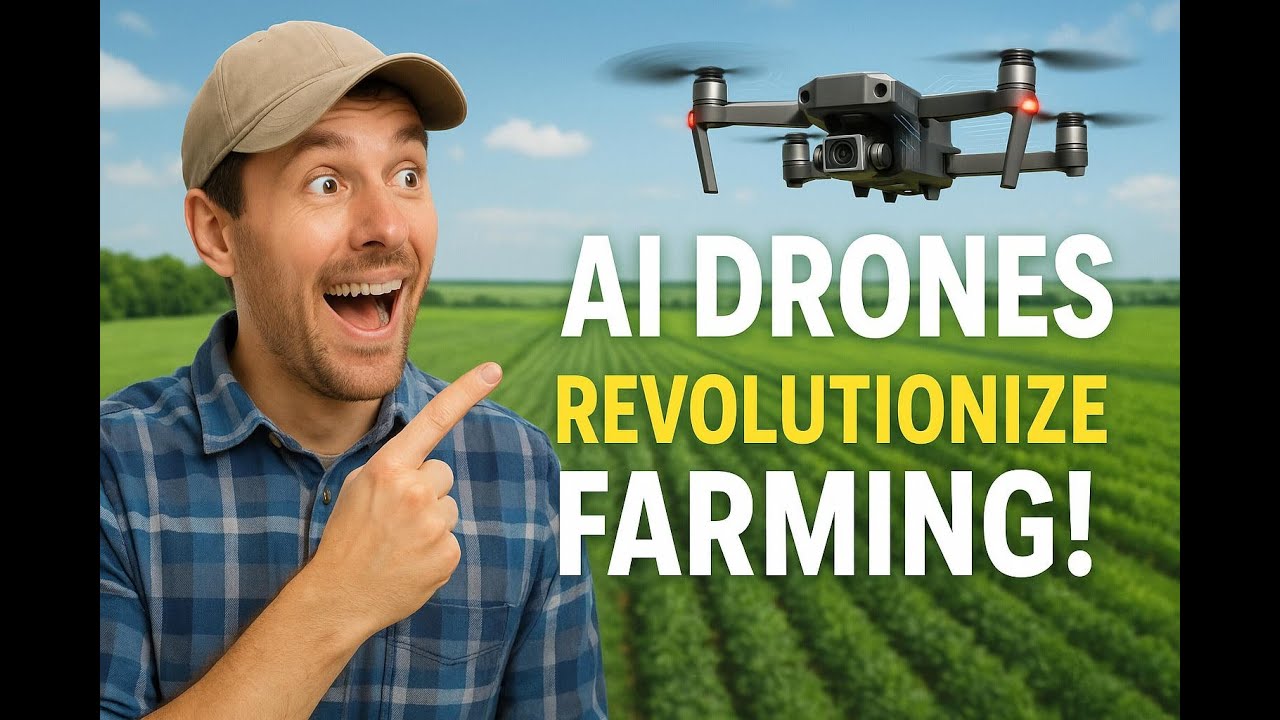
Autonomous Drone Biodiversity Monitoring AI: Transforming Agriculture Monitoring
Today, autonomous drone biodiversity monitoring AI platforms are a game changer for agriculture. Using a mix of cutting-edge sensors and machine learning, these drones systematically survey vast agricultural fields and adjacent habitats with unmatched precision, opening up new frontiers for real-time, large-scale monitoring of vegetation, health, insects, pest populations, and soil conditions.
How do autonomous drones enable better biodiversity monitoring?
- Multispectral, hyperspectral, and thermal sensors: Capture a broad spectrum of reflected and emitted signals from plant canopies and soils, revealing details invisible to the naked eye.
- AI-powered analytics: Algorithms process collected data to identify species, monitor population changes, map pest and beneficial insect hotspots, and quantify vegetation health (NDVI and similar indices).
- Landscape-scale insights: Drones can survey up to 100 hectares in a single flight, allowing for systematic, real-time monitoring of even the largest operations or adjacent natural habitats.
The integration of autonomous drones and artificial intelligence permits scalable, affordable, and highly-detailed biodiversity monitoring methods that simply weren’t possible with traditional approaches.
Examples include:
- Crop pest and beneficial insect identification: AI-trained models recognize target pests and their natural predators, supporting integrated pest management (IPM) and reducing chemical usage.
- Wildflower strips and hedgerow assessment: Drones map these key habitats for pollinators within and around farms, measuring their impact on overall biodiversity.
- Vegetation health monitoring: Hyperspectral and thermal imagery captures subtle variations in plant health linked to soil fertility, microbial activity, and environmental stressors.
- Detecting invasive species: Rapid response to threats across vast landscapes using targeted drone flights.
Combined, these innovations offer precise, scalable solutions for farmers, researchers, and environmental managers aiming to enhance and maintain agricultural biodiversity.

Key Advantages of Autonomous Drone Biodiversity Monitoring AI (2025):
- Automated Coverage: Consistent, routine monitoring reduces human error and labor cost.
- Spatial-Temporal Precision: Track rapid changes in species composition, crop health, and environmental impacts across time and space.
- Data-Driven Insights: Actionable advisories and analytics empower farmers to optimize yields and biodiversity together.
- Scalability: Drones can serve operations ranging from smallholders to multi-thousand hectare farms, aligning with scalable agricultural management.
- Cost-effectiveness: Reduced reliance on laborious manual surveys and expensive lab analysis.

Other tools, like satellite-based carbon footprinting and fleet management solutions, further aid farmers in optimizing resources and embracing sustainability.
“Over 80% of soil biodiversity data in modern agriculture is now collected using automated sensor and drone technologies.”
Biodiversity in Soil: The Hidden Frontier Shaping Agriculture
Often overlooked, biodiversity in soil—the multitude of microorganisms, fungi, nematodes, invertebrates, and more—plays a foundational role in nutrient cycling, organic matter decomposition, disease suppression, and overall ecosystem resilience. Recent years have seen an explosion in interest around soil microbial diversity as a driver of agricultural sustainability.
- Soil biodiversity influences crop health, yields, and a farm’s resilience to climate stress.
- Microorganisms like bacteria, archaea, fungi, and actinomycetes break down organic matter, releasing nutrients in plant-available forms.
- Healthy soils with rich microbial diversity support natural pest suppression, carbon sequestration, and improved water holding capacity.
But assessing biodiversity in soil has historically been difficult. Now, drones, soil sensors, and AI permit both direct and proxy monitoring:
- Drones equipped with suitable sensors map vegetation patterns indicating microbial hotspots or problem zones.
- IoT-enabled soil sensors measure parameters (moisture, pH, organic carbon, temperature) affecting microbial communities.
- AI analysis correlates aboveground signals (plant vigor, color, stress) with belowground health, offering powerful insights for managing inputs and enhancing biodiversity.
Adaptive practices—like cover cropping, reduced tillage, organic amendments, and maintaining habitat strips—are increasingly tailored using this monitoring data to restore ecosystem function while improving productivity.

Soil biodiversity monitoring methods also power precision agriculture strategies, reducing waste and enhancing crop and ecosystem health in tandem. For further guidance on organic and climate positive farming, discover carbon-footprinting for agriculture.

Why is Biodiversity in Soil Critical in 2025?
- Climate Resilience: Diverse soil communities improve drought resistance and reduce disease outbreaks.
- Crop Quality & Yields: Biodiverse soils deliver more consistent yields and higher nutritional value.
- Sustainable Resource Management: Reduces dependence on external fertilizer and pest control.
- Biodiversity Credit Market Value: Soil health forms a pillar of new sustainability metrics for environmental markets and credits.

To gain instant insights into soil health, environmental impact, and vegetation monitoring from anywhere in the world, explore our affordable, subscription-based mobile and web platform designed to make data-driven agricultural monitoring accessible for all.
Biodiversity Credit Market: Innovations in Sustainability & Financial Incentives
One of the most promising opportunities of the decade, the biodiversity credit market incentivizes farmers and landowners to adopt biodiversity-friendly practices and document measurable gains. Such markets facilitate the trade of biodiversity credits—certified units representing quantifiable improvement in habitat, species richness, soil biodiversity, or related ecological indicators.
- Verification & Transparency: Accurate, digital biodiversity monitoring (via satellite, drones, AI, and sensors) is essential for credible verification, validation, and reporting. The Farmonaut API enables custom data integrations and reporting.
- Financial Incentive: Corporations, funds, and governments purchase verified credits to meet sustainability targets and offset ecological impacts.
- Restoration at Scale: Aligns economic opportunity with sustainable stewardship by rewarding farmers for tangible improvements in soil health, pollinator abundance, or habitat connectivity.
Biodiversity credit markets fundamentally depend on reliable monitoring infrastructure. Autonomous drone biodiversity monitoring AI systems and satellite analytics are thus critical tools powering the next phase of sustainable agriculture and regenerative farm management.
Further, blockchain-based traceability—as available with Farmonaut—empowers transparent, tamper-proof reporting for agricultural, mining, and forestry credits. Explore our product traceability tools for secure, compliant biodiversity credit reporting.
Comparative Analysis Table of Biodiversity Monitoring Methods
| Method | Data Accuracy (%) | Frequency of Monitoring | Area Coverage (ha/day) | Cost per Hectare (USD) | Impact on Soil Health |
|---|---|---|---|---|---|
| Autonomous Drones with AI | 92-97% | Daily/Weekly | 20-100+ | $2–$5* | High (enables precise, restorative management) |
| Manual Field Surveys | 75–85% | Quarterly/Yearly | 1–5 | $20–$50 | Medium (limited spatial/temporal detail) |
| Satellite Imaging & Analytics | 86–92% | Daily/Weekly | 100–10,000+ | $0.5–$2* | High (broad monitoring, supports early warning) |
*Costs are indicative and depend on service provider, scale, and update frequency. Satellite-based and AI-driven approaches (like Farmonaut) increasingly reduce per-hectare cost and vastly improve scalability.

Farmonaut’s Role: Satellite and AI Solutions for Biodiversity & Soil Health
At Farmonaut, we are proud to deliver advanced, accessible satellite-based monitoring tools and AI-powered analytics designed specifically to address the challenges of 2025 and beyond in agriculture biodiversity monitoring, soil health assessment, and resource optimization.
- Satellite-based Monitoring: Using multispectral satellite imagery, we monitor vegetation health, crop stress, and soil conditions, supporting farmers, businesses, and governments with real-time, actionable insights into ecosystem dynamics.
- Jeevn AI Advisory System: Our AI-driven system analyzes field and environmental data to deliver crop advisories, pest management strategies, and biodiversity-friendly recommendations.
- Blockchain Traceability: Ensures secure, transparent supply chains and biodiversity credit verification—see our traceability solution.
- Environmental Impact Monitoring: Enables businesses to measure carbon footprints and track sustainability KPIs—visit our carbon footprinting page.
- Fleet & Resource Management: Optimize in-field operations, reduce costs, and ensure compliance using our fleet management tools.
- Accessible Across Apps & API: Our platform works on Android, iOS, web browsers, and provides an open API (see developer docs) for easy integration into your existing systems.

Our mission is to democratize access to data-driven monitoring methods—making powerful biodiversity, soil, and resource insights affordable and actionable for all.
For transformative, large-scale farm management and sustainability reporting, see our Agro Admin App—the control center for modern agriculture managers and organizations.
The Future: Enhancing Agriculture Biodiversity for Resilient Landscapes
As we look ahead to 2025 and beyond, the convergence of autonomous drone technology, AI, soil biodiversity research, and financial tools like biodiversity credits is forming a holistic foundation for sustainable agriculture. The future of biodiversity monitoring will revolve around:
- Increased Precision & Automation: Real-time, continuous monitoring at field and landscape scale for adaptive management, reducing risks of loss and promoting resilience.
- Integration of Aboveground & Belowground Insights: Unified datasets across plant health, wildlife, pollinator activity, and soil microbe diversity will support truly regenerative farming systems.
- Performance-based Financial Incentives: Biodiversity credit markets will mainstream support for nature-positive practices, anchored by reliable digital monitoring like that of Farmonaut’s platform.
- Global Accessibility: Affordable, app-based, and API-driven solutions remove the technology barrier for individual farmers, large agribusinesses, and government agencies everywhere.
The result: resilient landscapes balancing high-value food production with improved ecosystem integrity, carbon storage, pest control, and water management—essential for global food security and climate goals.
Do you work in agriculture innovation, resource finance, land management, or sustainability reporting? The Farmonaut satellite-based crop loan and insurance verification reduces fraud and expedites financing with objective field-level data, boosting farmer resilience and productivity.
FAQ: Biodiversity Monitoring, Drones, and Soil in Agriculture
What are biodiversity monitoring methods, and why do they matter?
Biodiversity monitoring methods are systematic approaches for tracking changes in the variety and abundance of species, habitats, and ecological processes. They are vital for managing agricultural ecosystems sustainably, supporting food security, climate resilience, and environmental compliance.
How does autonomous drone biodiversity monitoring AI outperform manual surveys?
Autonomous drone biodiversity monitoring AI provides higher spatial-temporal accuracy, covers more area in less time, reduces labor costs, allows frequent monitoring, and delivers granular data on plants, animals, pests, and vegetation health with actionable, AI-driven insights.
Why is soil biodiversity so important in modern agriculture?
Soil biodiversity underpins key ecosystem services—like nutrient cycling, disease suppression, and organic matter decomposition. Harnessing soil microbial diversity improves crop yields, pesticide reduction, carbon sequestration, and system resilience to environmental stress.
What is the biodiversity credit market in agriculture?
The biodiversity credit market is a financial mechanism enabling farmers to sell verified biodiversity credits, reflecting ecological enhancements in their fields, to corporations or governments seeking to meet sustainability goals. Accurate, digital monitoring is essential for credit verification.
How can I monitor biodiversity and soil health on my farm in 2025?
Use mobile or web-based applications, like those Farmonaut provides, for satellite and AI-powered biodiversity monitoring, soil health reporting, real-time advisories, traceability, and fleet/resource optimization. For custom integration, explore our API & developer documentation.
Subscribe: Affordable Satellite & AI Monitoring for Sustainable Agriculture
Unlock the future of biodiversity monitoring, soil analytics, resources management, and verify your biodiversity credits with Farmonaut’s scalable subscription plans.
Conclusion: Driving Sustainable Farming with Advanced Monitoring
By 2025, biodiversity monitoring methods using autonomous drones, AI, and soil analytics are not only setting new standards in agriculture biodiversity stewardship but also unlocking win-win opportunities for farmers, businesses, environmental managers, and global sustainability efforts.
These technological solutions empower more resilient agricultural landscapes, sustained ecosystem services, and open the door to innovative financial incentives—like the biodiversity credit market—ensuring that sustainability and profitability can go hand-in-hand.
Explore the future of farming today—prioritize precise, scalable biodiversity monitoring to improve your soil, yields, and environmental impact. For more information on Farmonaut’s digital monitoring tools and advisory systems—or to get started—visit our platform today.

 Sun Palm Australia
 Grandstream Algérie
 XOS Realty
 Geospatial Lab Africa
 KhetiBuddy
 Agro La Gándara
 HIPSAC
 ZOL Zimbabwe
 Juligerm
 AdBio
AdBio MISE Maroc
 NWNS
NWNS Red August Group
 Farm Inc
 WeMe Global
 Agrotoken
 Blue BearX
 Insignito
 Croptimum
 DnCubed
