

USDA Rural Development Home Loans & Loan Rates 2026
Empowering Rural Communities Through Housing Opportunities in 2025–2026
“USDA rural home loans financed over $30 billion in affordable housing for rural Americans in 2023 alone.”
Table of Contents
- Introduction: Pivotal Role of USDA Rural Development Home Loans
- What Are USDA Rural Development Home Loans?
- Relevance for Agriculture, Forestry, Mining & Rural Industries
- USDA Rural Development Loan Map 2025–2026
- Types of USDA Rural Development Home Loans
- USDA Rural Home Loan Comparison Table (2025–2026)
- Eligibility Criteria for USDA Rural Development Loans
- USDA Rural Development Loan Rates & Terms in 2026
- How to Apply: Step-By-Step USDA Loan Application Guide
- Living Near Your Rural Work: Benefits for Communities
- USDA Rural Development: Future Trends & Opportunities (2026+)
- Farmonaut: Satellite-Driven Support for Rural Growth
- FAQ: USDA Rural Development Home Loans
- Conclusion
Introduction: Pivotal Role of USDA Rural Development Home Loans
Across rural America, the dream of affordable homeownership is more essential than ever. As the United States Department of Agriculture (USDA) continues to respond to the pressing challenges faced by rural workers, farmers, and families, USDA rural development home loans stand out as a powerful instrument. These loans are tailored not only to individuals but are a linchpin for the overall economic development and quality of life in regions where agriculture, forestry, and mining form the backbone of daily life.
The journey into 2026 and beyond is shaped by the USDA’s mission: empowering rural communities, reducing financial barriers, and bolstering the workforce behind the country’s most critical sectors. In this comprehensive blog, we will explore the eligibility, loan rates, maps, application steps, and the ongoing impact these programs have on creating empowering opportunities in agriculture, forestry, mineral industries, and beyond.



What Are USDA Rural Development Home Loans?
USDA Rural Development Home Loans—also known simply as USDA loans rural development or rural development home loan—are special, government-backed mortgages designed for families and individuals in eligible rural areas. Created to support those who make up the lifeblood of agriculture, forestry, mining, and ancillary industries, these loans offer:
- No down payment requirement in most cases, making it easier for rural residents to own a home
- Competitive interest rates (reviewed in detail for 2026)
- Flexible credit criteria versus conventional mortgages
- Reduced or no private mortgage insurance (PMI) — lowering monthly housing costs
- Options to purchase, build, or renovate homes in rural areas
These features are vital in removing financial barriers for families working near fields, timberlands, and mineral extraction sites. By making affordable housing accessible, USDA loans directly support the rural workforce that drives America’s essential industries.
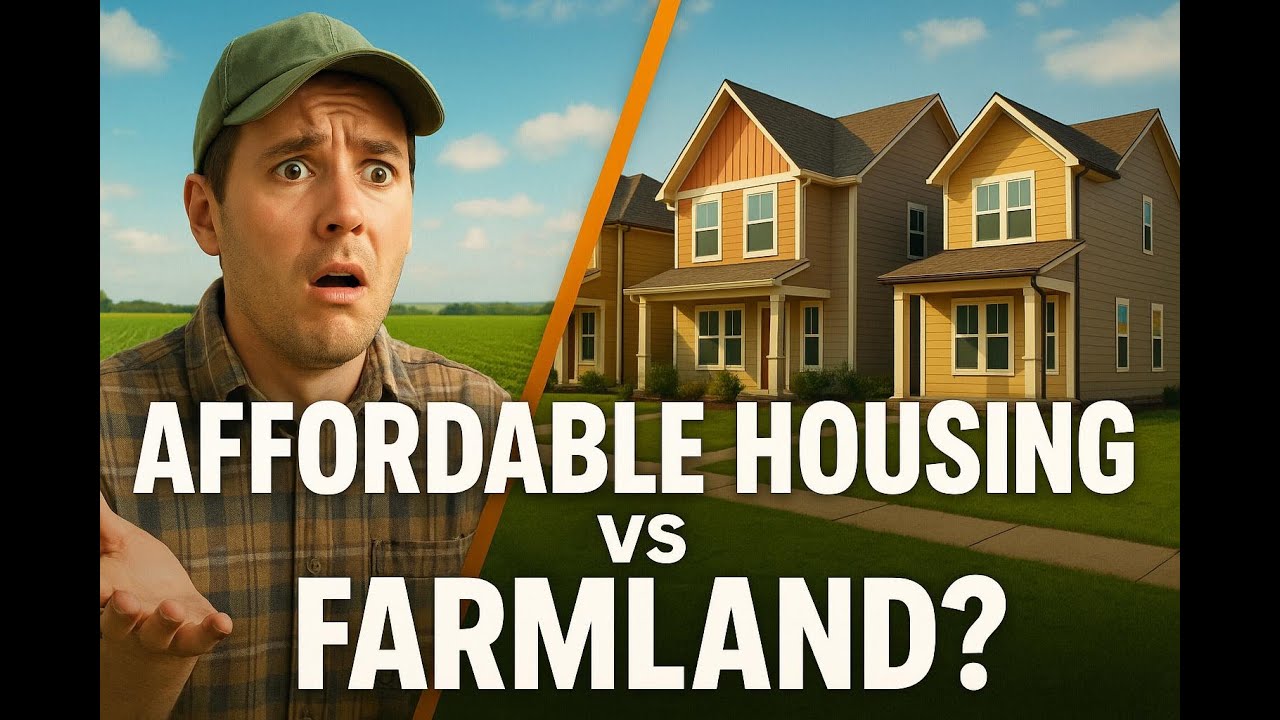
USDA Home Loans vs. Conventional Mortgages
- USDA rural development home loans: Usually 0% down payment, lower rates, and tailored for rural areas.
- Conventional mortgages: Often require 5–20% down, stricter credit, less accessible for those with steady but moderate rural incomes.
- Target Borrowers: USDA programs are designed for low- and middle-income rural families, farmers, forestry workers, and those in mining regions.
Key Features Driving Rural Housing Opportunities
- Zero-down payment—ideal for first-time homebuyers, of whom nearly 90% of USDA loan recipients in 2025 will be (see trivia below).
- Lower monthly payments—USDA loans often have lower interest rates and lower insurance costs than FHA or conventional options.
- Focus on underserved zones—Eligible geographies are mapped specifically to capture rural communities, towns, and regions often left out by traditional lending.
“Nearly 90% of USDA loan recipients in 2025 will be first-time homebuyers in rural communities.”
Relevance for Agriculture, Forestry, Mining & Rural Industries
USDA rural development home loans are more than just a housing initiative—they are a program for sustaining and growing vibrant rural communities across America. They directly impact the economic stability and quality of life for those involved in:
- Farming: For farmers and their workers, living close to fields and agricultural towns supports productivity and reduces commute-related fatigue and costs.
- Forestry: Access to reliable, affordable housing near timberlands helps forestry workers remain close to their livelihoods—and supports communities centered around sustainable forest management.
- Mining & Minerals: Miners, ranchers, and those in mining regions similarly benefit from safe, accessible homes near mineral extraction sites, ensuring stability for families and supporting local businesses.
The significance of rural development home loan programs extends well beyond individuals. They are a strategic tool for population retention, ancillary infrastructure growth (such as schools, healthcare, and local commerce), and future-ready industry support.

Challenges Faced by Rural Communities
Rural workers and families often face geographic isolation, limited financing options, and challenges connecting with traditional lenders. USDA loan programs:
- Directly support the backbone of agriculture, forestry, and mineral industries
- Encourage growth in regions that would otherwise see declining populations and shrinking economic activity
- Help strengthen entire communities—from schools and hospitals to supply-chain-dependent businesses
USDA Rural Development Loan Map 2025–2026: Where Can You Buy or Build?
One of the most practical tools for understanding the reach of the USDA rural development loan program is the USDA Rural Development Loan Map. For 2025–2026, eligibility for rural development home loan is determined by:
- Population density—Typically under 35,000 residents per town, city, or region
- Geography—Agricultural areas, forestry towns, mining regions, and more
- Updated criteria—Maps regularly updated by USDA to reflect demographic changes, industry shifts, and community needs
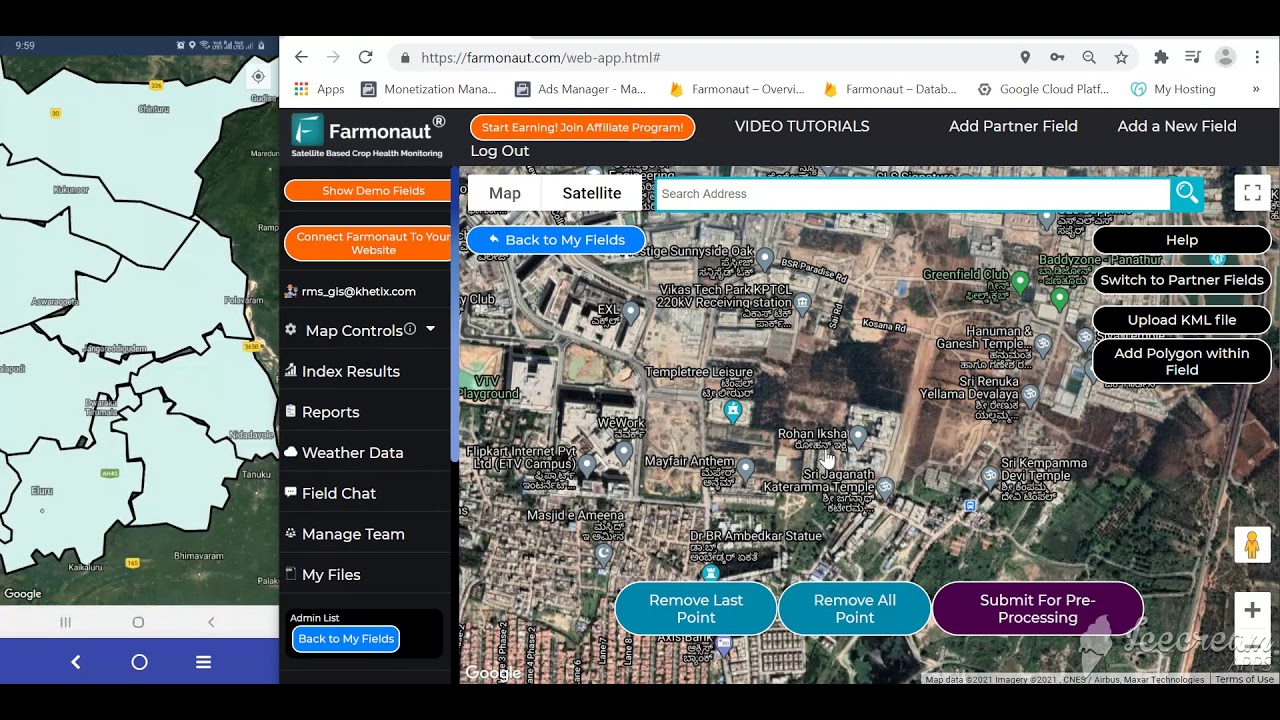
The USDA Rural Development Loan Map is an interactive, dynamic resource that easily lets you search for eligible areas. Potential borrowers—including farmers, forestry workers, and mining professionals—should always check the current map to confirm eligibility before applying.
- 2026 Updates: Expect more focus on sustainable agriculture, forestry management, and mineral-rich rural communities.
Types of USDA Rural Development Home Loans
USDA’s home loan program comprises several loan options to suit a broad scope of residents and industries in rural America through 2025–2026:
- Single-Family Housing Guaranteed Loan Program (Section 502 Guaranteed)
– For moderate-income households. The USDA guarantees a lender-provided mortgage, reducing risk and enabling competitive rates and payment terms. - Single-Family Housing Direct Home Loans (Section 502 Direct)
– For low- and very low-income families. USDA provides the mortgage directly, with even more favorable terms. - Single-Family Housing Repair Loans and Grants (Section 504)
– For low-income homeowners. Helps with home repair, modernization, or to remove health and safety hazards. - Mutual Self-Help Housing Technical Assistance Grants
– For groups who build their own homes. Technical and construction assistance for families who “sweat equity” together.
Each loan type is instrumental in expanding homeownership for rural families, farmworkers, and mining or forestry professionals who need safe, affordable, and accessible housing.

USDA Rural Home Loan Comparison Table (2025–2026): Eligibility, Key Features & Estimated Rates
| Loan Type | Eligible Areas | Min. Credit Score (Est.) | Max. Loan Amount (Est.) | Down Payment Required | Est. Interest Rate (2025–2026) | Typical Borrower Profile | Primary Benefits |
|---|---|---|---|---|---|---|---|
| Single-Family Housing Guaranteed Loan (Section 502) | Rural regions (<35,000 population), All States incl. Midwest, Great Plains, Appalachia | 620* | No explicit cap, typically $285,000–$400,000 (varies by area & lender) |
0% | 5.75%–6.75% | Moderate-income rural families, stable employment | No down payment, flexible credit, competitive rates, lower PMI |
| Single-Family Housing Direct Loan (Section 502) | Same regions; most remote, low-population rural counties | 640* (accepts lower with compensating factors) | Based on local limits, $180,000–$330,000 (varies by region) | 0% | 3.75%–5.25% (after payment assistance) | Low/very-low-income households, elderly/disabled included | Lowest rates, subsidized payments, accessible for lowest incomes |
| Single-Family Repair Loans and Grants (Section 504) | Rural areas with aging housing stock | None (proof of ability to pay required) | Loans: $40,000 Grants: $10,000 |
0% | 1.00% (loans) | Very low-income, elderly, disabled homeowners | Repair/modernize existing homes, remove health hazards |
| Mutual Self-Help Housing Grants | Targeted rural communities & collective self-build groups | Varies (group/leader requirements) | Varies (usually per project) | Sweat equity (no cash down) | N/A (technical assistance, not cash loan) | Groups/families building their own rural homes | Hands-on homebuilding, technical/construction support |
*Credit scores are estimated; lenders may have varying requirements. Loan amounts and limits fluctuate by area, property type, market conditions, and lender policy.
Eligibility Criteria for USDA Rural Development Loans
The beauty of the USDA rural development loan program is its relative accessibility—but there are clear eligibility requirements to ensure programs help those who need it most in 2026:
- Location: The home must be in a USDA-eligible rural area as defined by the USDA Rural Development Loan Map.
- Income Limits: Income must not exceed a threshold (usually 115% of area median for guaranteed, lower for direct). Adjusted per household size and county.
- Occupancy: The property must be intended as a primary residence (no vacation or investment homes).
- Credit Standards: USDA prefers applicants with a 620+ credit score (will consider non-traditional credit or extenuating circumstances for some).
- Citizenship: Must be U.S. citizens, U.S. nationals, or legal permanent residents.
- Loan Purpose: Purchase, new construction, or renovation of homes; repairs (Section 504) for health/safety.
- Other: Must demonstrate ability to repay (stable income), and property must meet certain condition standards.

Key Documents Required
- Proof of income (pay stubs, tax returns, W-2/1099 forms)
- Credit report (authorized by lender/USDA)
- Government-issued ID and proof of citizenship or legal residency
- Property details (address for map eligibility check)
- List of assets, debts, and monthly expenses
A special advantage for farmers, mining, and forestry workers: Many lenders are familiar with the unique seasonal/cyclical income that can arise in these industries. Flexible underwriting means more folks qualify—even if traditional income is irregular.
Pro Tip: Looking for faster loan and insurance approvals for agriculture or mining projects? Our advanced satellite-based crop loan and insurance verification tool allows organizations, users, and financial institutions to effortlessly verify crops or mine status via remote sensing—reducing delays, fraud, and paperwork, streamlining rural development home loan processes.
USDA Rural Development Loan Rates & Terms in 2026
For 2026, USDA rural development loan rates remain among the most competitive of any mortgage option available to rural communities in the United States:
- Guaranteed Loans: Estimated rates of 5.75%–6.75% for 30-year fixed, depending on the applicant’s credit profile and market conditions.
- Direct Loans: Subsidized rates may be as low as 3.75%–5.25% (payment assistance programs available for very low-income borrowers).
- Section 504 Repair Loans: Ultra-low fixed rates at just 1.00% for necessary home repair.
- No PMI required—unlike most conventional mortgages for low/zero-down payment scenarios.
- 30-year repayment terms are the norm, though shorter is possible on small loans or repairs.
These terms ensure monthly payments are manageable. For rural families facing fluctuating markets and crop cycles, the stability of a fixed USDA loan rate is invaluable. In 2026, as government support continues, rates may adjust slightly but will generally stay well below conventional or FHA options.
Farm operators comparing borrowing costs beyond housing can also check current USDA farm loan rates alongside typical bank offers.
Tip: Many applicants refinance FHA or conventional loans into USDA for better rates or lower monthly payment burden!
Looking to reduce your environmental impact in agriculture or mining?
Explore satellite-driven carbon footprinting solutions—monitor, verify, and report sustainability progress for USDA loan and grant requirements in rural sectors.
How to Apply: Step-By-Step USDA Loan Application Guide (2026)
- Check Eligibility: Use the latest USDA rural development loan map to confirm that your desired home/property is in an eligible rural area.
- Review Income Requirements: Ensure your household income falls within program limits for your county; check for family size adjustments.
- Gather Documentation: Collect proof of income, assets, debts, and residency status as outlined above.
- Choose a Program: Decide between guaranteed (via lender) or direct (via USDA) options based on your income and needs.
- Apply Through the Right Channel: Apply with an approved USDA lender for guaranteed loans, or through your local USDA Rural Development office for direct/repair/self-help loans.
- Complete Underwriting: The lender or USDA will review your finances, property, and eligibility. Third-party property appraisal may be required.
- Approval & Closing: Once approved, sign final paperwork and close on your new rural home, renovation, or repair loan—enjoy lower payments and a better quality of life!
Fast track: Many lenders now accept online applications/document uploads. If you’re a farm or mining operator, consider using satellite-based verification to speed site inspections—making your loan journey seamless.
Living Near Your Rural Work: Benefits for Communities and Industries
Stability in rural housing is about more than homeownership—it directly enhances rural industry productivity and quality of life:
- Farmers and ranchers: Live close to agriculture fields, reducing travel costs, boosting yield quality, and ensuring better crop oversight.
- Forestry workers: Reside near timberlands for early response to fire risk, pests, and optimal sustainable management.
- Mining industry: Miners and mineral industry workers enjoy safer commutes, community support, and access to healthcare and schooling—for themselves and their families.
- Population retention: Reliable, affordable housing ensures young workers and families stay in rural zones, rather than migrating to cities for better opportunities.
- Ancillary infrastructure: Stable populations support schools, healthcare, and local businesses, which in turn fuel industry growth and community health.
A USDA rural development home loan is thus a foundation for economic prosperity, helping to break cycles of rural decline and create flourishing, future-ready communities.
USDA Rural Development: Future Trends & Empowering Opportunities (2026+)
As we look to 2026 and beyond, several industry trends are shaping federal housing and rural loan support:
- Sustainable agriculture and forestry are gaining more focus. USDA is likely to place higher value on housing tied to environmental stewardship (e.g., regenerative farming, sustainable timber management).
- Mining & minerals—with technology advances and regional infrastructure upgrades, new mineral-rich rural communities will be targeted for home loans to retain workforce and leverage new economic booms.
- Data-driven mapping and verification: Greater use of satellite traceability and blockchain verification tools to ensure funding integrity, proper use, and compliance with new sustainability benchmarks.
- Increasing digital access: Online portals, remote underwriting, and AI-driven lender evaluation make the applications smoother than ever—especially for communities farther from urban lending hubs.
For rural communities and industries—especially those leading in food, timber, and minerals—USDA rural development home loans are a core empowering opportunity to build resilient, thriving regions.
Did you know? Our satellite-driven fleet management solution not only optimizes logistics for agriculture and mining but can help new rural homeowners in the industry receive essential services, monitor resources, and track deliveries efficiently—all via a smartphone or web dashboard.

Farmonaut: Satellite-Driven Support for Rural Growth, Housing & Finance
At Farmonaut, we recognize that thriving rural communities, secure housing, and strong industries depend on reliable data and advanced decision-making support. Leveraging our advanced satellite-based monitoring, blockchain traceability, and real-time AI advisory systems, we empower farmers, mining operators, infrastructure managers, and governments to:
- Monitor crop, mining, and environmental status in real-time—ensuring rural borrowers can easily validate property conditions for loans or insurance via satellite imagery.
- Access blockchain-based traceability for USDA loan compliance and product authenticity.
- Optimize fleets and rural logistics—reducing costs and improving service quality in remote areas using satellite fleet management tools integrated into the Farmonaut App.
- Reduce fraud and improve loan approvals for agriculture and mining via our crop loan and insurance verification APIs and mobile-ready platform.
- Promote environmental responsibility and sustainability reporting with our carbon foot-printing & impact monitoring tools—vital for forward-thinking USDA loan applications.
- Scale easily: Our modular web, iOS, and Android interfaces make rural tech affordable, and developers can easily access our API or review our API Docs.
Our mission is crystal clear: To make satellite-driven insights and resource management affordable and accessible for rural America—empowering farmers, communities, businesses, and governments as they grow, build, and strengthen their corner of the country in 2026 and beyond.
Subscribe to Farmonaut’s monitoring solutions for agriculture, mining, and rural housing development— flexible plans for users and organizations:
FAQ: USDA Rural Development Home Loans & Loan Rates 2026
Conclusion: Building Stronger Rural America with USDA Rural Development Home Loans (2026+)
As we advance into 2026 and beyond, the importance of USDA rural development home loans only grows more significant. For farmers, forestry workers, mining professionals, and all those in the industries that keep America running, these government-backed housing programs are instrumental—not just in enabling affordable homeownership, but in fostering economic growth, rural stability, and a better quality of life.
Supported by advanced technology like Farmonaut’s satellite and AI platforms, and driven by continually updated eligibility maps and competitive loan rates, the USDA loan program offers empowering opportunities for every rural family and industry participant.
The journey to vibrant, sustainable rural communities starts with a home—and USDA, alongside the power of modern data tools, makes that journey possible for more Americans than ever before.
Developers & businesses: Integrate Farmonaut’s API into your systems or preview documentation at Farmonaut API Docs for smart field, crop, or operational satellite data.
Empowering opportunities—enabling the backbone of America’s future. That’s the promise of USDA rural development home loans and Farmonaut’s vision for rural transformation in 2026 and beyond.

 AgroGreen Dynamics
 Leher
Leher AgroRisk
 Oath Inc
 Reddane Farming
 Esri North East Africa
 Cresol
 Atur Kuliner
 MDCV UK
 Zerella Group
 Etech Consulting Madagascar
 Vestlandsforsking
 Agritein
 Delicio
 WB Dev
 Sama Premium
 Prochecker
 Tres Valles
 LACOS Geoinformation
 Magrifly
 LatConnect 60
 Blickwinkel
 Agricultural Credit Policy Council
