

IoT Sensors in Agriculture: 7 Ways to Boost Farming 2026
Meta Description: Discover how IoT and agriculture sensors are revolutionizing smart farming in 2025, boosting productivity, resource efficiency, and sustainable crop management. Explore 7 ways IoT sensors will transform agriculture by 2026.
“By 2026, over 75% of large farms are expected to implement IoT sensors for data-driven crop management.”
Introduction: IoT and Agriculture
The integration of the Internet of Things (IoT) with agriculture has reached an inflection point in 2025–2026, fundamentally transforming the way farmers manage resources, cultivate crops, and meet the rising global food demand. IoT sensors in agriculture are no longer a futuristic concept; they are becoming a cornerstone of modern, data-driven farming practices worldwide.
Smart agriculture IoT solutions—powered by agriculture sensors IoT, connectivity, cloud analytics, and automation—enable farmers to transition from traditional, intuition-based farming to operations driven by real-time data and actionable insights. Whether it’s managing soil moisture for precision irrigation, optimizing fertilization based on nutrient levels, or detecting crop stress early, IoT sensors for agriculture empower producers to dramatically boost efficiency, yields, and sustainability.
Two of the most widely used sensor types are covered in temperature and moisture sensors on farms, including where each is placed.
As we approach 2026, let’s explore the 7 most impactful ways IoT sensors are revolutionizing agriculture—and how these innovations are poised to reshape food production for generations.
The Rise of Smart Agriculture IoT in 2026
Smart agriculture IoT is rapidly revolutionizing traditional farming paradigms, replacing calendar-based decisions with real-time, site-specific insights. This transformation is underpinned by several converging trends:
- ✔ Declining sensor costs: making data-collecting devices accessible to more farms and regions.
- 📡 Improved connectivity: 5G, LPWAN, and edge computing extend coverage into rural agricultural fields.
- 💡 Integrated analytics platforms: cloud, AI, and machine learning platforms interpret vast amounts of sensor data into actionable advice.
- ⚡ Automation & remote management: IoT systems enable control of irrigation, machinery, livestock monitoring, and more from anywhere.
- 🌱 Sustainability & resource efficiency: Meeting environmental and regulatory demands for sustainable practices, water conservation, and reduced inputs.
These forces collectively make IoT sensors in agriculture not just an efficiency booster, but a prerequisite for resilience and profitability amid climate variability, population growth, and resource constraints.

Integrated IoT sensors, when supported by satellite and AI-driven insights, enable farmers to manage every aspect of agriculture with unprecedented detail—maximizing land use, minimizing inputs, and reacting faster to changing environmental signals by 2026.
Understanding IoT Sensors in Agriculture
At the heart of the IoT on agriculture movement lies an extensive network of interconnected sensors. These devices—deployed across fields, greenhouses, and even on livestock—continuously collect critical metrics such as:
- 🌡️ Temperature and humidity (ambient, leaf, and microclimatic)
- 💧 Soil moisture, salinity, and pH
- 🧪 Soil nutrient levels (N, P, K, etc.)
- 🌱 Crop health indicators (NDVI, leaf wetness, multispectral reflectance)
- 🐄 Livestock location and biometric health
- 🦟 Pest and disease presence (via environmental triggers and smart traps)
- 🛠 Machinery operation and fleet location
- 🌦️ Weather data (rainfall, wind, solar radiation, etc.)
By integrating these sensors with cloud platforms and analytics, farmers can achieve a complete, dynamic picture of their agricultural ecosystems, enabling micro-level decisions at macro scale.
“Deployment of IoT sensors in agriculture could reduce water usage by up to 30% by 2025, studies show.”
For the best results, use a combination of soil moisture, weather, and crop health sensors—integrated with platforms like Farmonaut to maximize monitoring, analytics, and decision support.
7 Ways IoT Sensors Will Boost Farming by 2026
Let’s examine the top seven applications of IoT sensors in agriculture—each set to redefine productivity, sustainability, and profitability for smart farms around the globe by 2026.
1. Precision Irrigation Management
Precision irrigation leads the charge in resource optimization. By deploying soil moisture sensors and connected weather monitoring networks, farmers can:
- 💧 Measure real-time soil moisture at multiple depths across various zones.
- 🌦️ Account for evapotranspiration and predicted rainfall to avoid over- or under-watering.
- ⚡ Automate irrigation scheduling and control valves remotely.
- 💰 Reduce water usage up to 30%, optimize yields, and decrease pumping/energy costs.

Many farmers overestimate irrigation needs by relying solely on visual inspection. Precision IoT sensors offer granular data that can prevent both wastage and yield loss due to drought stress.
Discover our Carbon Footprinting solution, which links efficient water management with sustainable farming and carbon reduction targets.
2. Soil Health and Nutrient Optimization
Continuous monitoring of soil health and nutrients is fundamental for sustainable, high-yield farming. With agriculture sensors IoT, it’s possible to:
- 🧪 Track soil nutrients, pH, organic matter, and salinity across fields
- 🛰️ Integrate soil sensor data with satellite-based NDVI/biomass indices for detailed crop zone recommendations
- 🚜 Apply variable rates of fertilizer—reducing overuse and input costs, while protecting water quality
- 🌱 Extend long-term soil vitality and reduce erosion/degradation
Integrating blockchain-based traceability—like the service available in our
Farmonaut Product Traceability module—ensures transparency in nutrient and pesticide application.
3. Automated Crop Health Monitoring
Satellite, aerial, and ground-based crop health sensors are making remote, non-destructive, and continuous crop assessment the norm. By 2026, farmers can leverage:
- 🛰 Satellite multispectral sensors for field-scale vegetation indices and stress detection
- 🚁 Drone-based cameras and sensors for plot or plant-level aerial assessments
- 🌿 Fixed crop canopy sensors for continuous in-field data
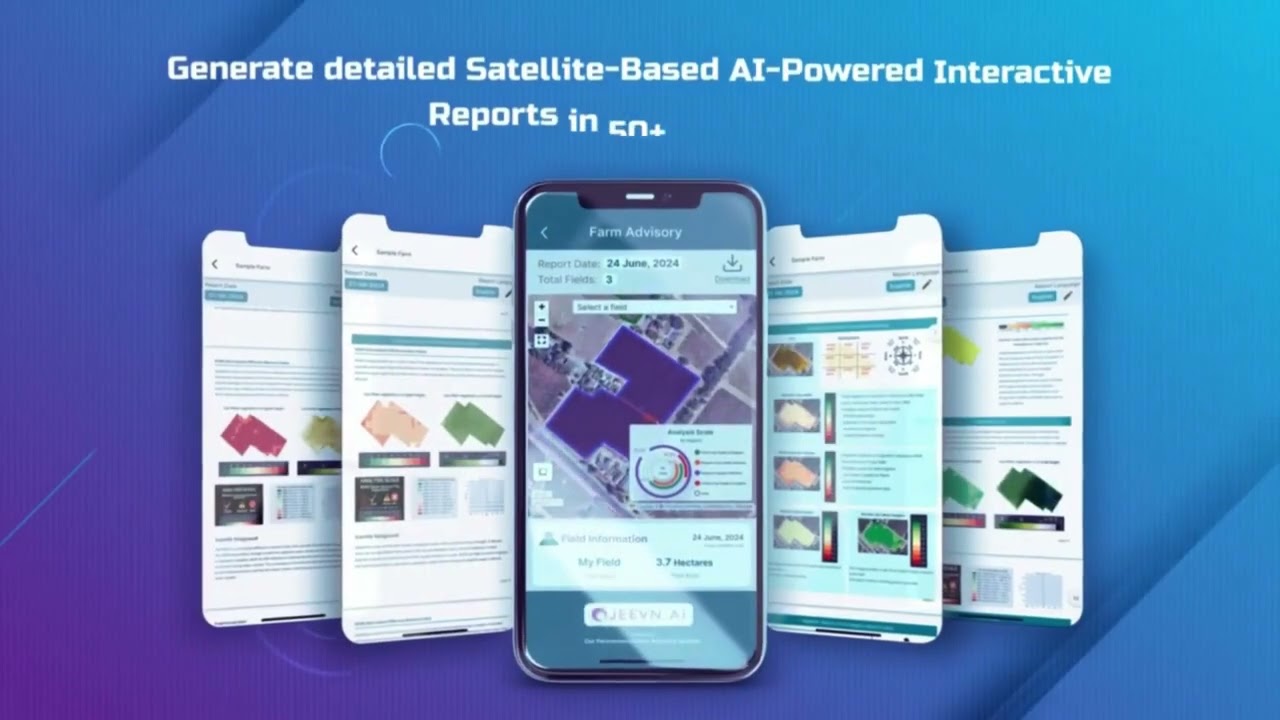
This data is integrated with cloud analytics to enable early detection of crop disease, nutrient deficiencies, water stress, and more. This rapid response capability helps maximize yield, optimize input usage, and reduce risks.
Our Large Scale Farm Management Platform is designed to bring these capabilities together, giving managers a unified dashboard for all their farms.
With market analysts projecting the global smart agriculture IoT industry to surpass $30B by 2026, investment in sensor-driven agtech platforms is increasingly pivotal for portfolio growth and risk mitigation.
4. Enhanced Pest and Disease Detection
Pest and disease pressures are relentless—and timely intervention is key. IoT sensors empower farmers to:
- 🦟 Detect microclimatic conditions—like humidity/temperature—that precede pest or disease outbreaks
- 🎯 Trigger targeted interventions only in affected zones, reducing crop losses and chemical use
- 🚁 Leverage drones and AI image analysis for early pest/disease identification across wide areas

Reducing unnecessary pesticide applications not only cuts input costs but helps ensure agricultural sustainability for the long haul.
Learn how our services integrate real-time pest and disease detection using satellite and AI-driven analytics to provide actionable field recommendations—offered via our
Farmonaut Crop Plantation & Forest Advisory tools.
🚀 Top Features of Smart Agriculture IoT (Visual List)
- ✔️ Real-time field monitoring
- 📊 Cloud-based analytics platforms
- 🌦️ Integrated weather and microclimate sensors
- 🔎 Aerial and satellite crop assessments
- 💡 Automated machinery and irrigation system control
5. Livestock Monitoring and Welfare
IoT applications in agriculture go beyond crops. Wearable livestock sensors now allow for:
- 🩺 Continuous monitoring of animal health, temperature, and stress
- 🔄 Tracking movement/feeding behaviors for welfare and productivity analysis
- 📱 Automated alerts for calving, estrus, or abnormal patterns
This early-warning system lowers veterinary expenses and reduces mortality rates—while maximizing productivity in dairy and meat operations.
For fleet and resource optimization, our Fleet Management solution lets agricultural businesses reduce vehicle operating costs, improve equipment utilization, and ensure traceability for insurance and compliance.
6. Automated Machinery and Fleet Management
As agricultural operations expand, IoT sensors installed on machinery and vehicles can:
- 🚜 Monitor engine health, fuel consumption, and route efficiency in real time
- 🔄 Enable predictive maintenance to prevent downtime
- 📈 Optimize field operations, from seeding to harvesting, with real-time coordination

These insights support digital farm logistics and asset utilization strategies that help maximize return on investment (ROI).
🌍 Key Advantages of IoT Sensors in Agriculture (Visual List)
- ✔️ Increase productivity
- 💧 Reduce water and input usage
- 📉 Decrease labor requirements
- ⏳ Shorten return-on-investment (ROI) cycles
- ♻️ Enable environmentally sustainable practices
7. Climate-Smart Farming & Environmental Sustainability
Perhaps the most transformative force is IoT’s role in climate-smart and regenerative agriculture. With advanced sensors and analytics, farmers can:
- 📊 Quantify carbon sequestration, greenhouse gas emissions, and soil organic content
- 🌱 Adopt conservation tillage, cover cropping, and biodiversity-enhancing practices
- 💼 Generate verifiable sustainability reports for compliance and consumer trust

Learn how our Carbon Footprinting and Traceability solutions support ESG goals for future-focused agribusinesses worldwide.
🌟 Top Five Impact Areas of IoT Sensors in Agriculture
- ✔ Yield Optimization: Personalized irrigation and input recommendations help maximize crop output.
- ✔ Water Conservation: Targeted soil moisture sensors drastically cut unnecessary irrigation.
- ✔ Climate Resilience: Early alerts for disease, drought stress, and extreme weather protect crops year-round.
- ✔ Resource Efficiency: Variable input application and labor savings reduce overall operational costs.
- ✔ Sustainable Farming: Real-time monitoring enables soil regeneration, carbon tracking, and supply chain transparency.
Extensive research shows that integrating IoT sensors can reduce nitrogen fertilizer waste by up to 20% and increase farm profit margins—even in highly variable climate zones.
Comparative Benefits Table of IoT Sensors in Agriculture
This comparative table illustrates how various agriculture sensors IoT types deliver quantifiable benefits in yield, resource usage, labor, ROI, and sustainability.
| Sensor Type | Estimated Yield Increase (%) | Water Usage Reduction (%) | Labor Saving (%) | Typical ROI Period (months) | Sustainability Impact |
|---|---|---|---|---|---|
| Soil Moisture Sensors | 10–25% | 25–35% | 15–22% | 12–18 | Yes |
| Weather/Climate Sensors | 5–15% | 6–15% | 8–16% | 16–24 | Yes |
| Livestock Monitoring | 8–20% | N/A | 20–35% | 14–20 | Yes |
| Crop Health/MultiSpectral | 10–30% | 12–18% | 15–30% | 9–15 | Yes |
| Nutrient Sensors | 8–15% | 7–12% | 10–18% | 13–20 | Yes |
| Fleet/Machinery Sensors | N/A | 6–10% | 15–24% | 18–24 | Yes |
| Pest/Disease Sensors & AI | 15–38% | 3–8% | 7–22% | 12–20 | Yes |
The Role of Cloud, Analytics, and AI in Smart Farming
IoT sensors alone are powerful—but when integrated with cloud analytics, machine learning, and AI-powered platforms, their value multiplies:
- ✔ Consolidate, visualize, and interpret data from multiple fields and sensor networks
- 💡 Enable predictive analytics for yield forecasting, input optimization, and early risk alerts
- ⚖️ Balance competing objectives (productivity, cost, sustainability) with automated, optimized recommendations
- 📱 Remote and mobile operation: Manage entire operations from a phone, tablet, or PC
- 🔎 Transparency and traceability: Prove compliance and good agricultural practices with verifiable data logs

Our Farmonaut Jeevn AI Advisory System harnesses satellite, sensor, and weather data to deliver improvements across the entire crop cycle—from field preparation to harvest scheduling.
For API and developer access to these premium satellite-based insights, visit our
Farmonaut API
and
Developer Documentation.
While connectivity is rapidly improving, intermittent rural internet may limit real-time sensor transmission in some regions. Always select platforms and hardware with robust offline data caching and backup transmission protocols.
Farmonaut: Pioneering Satellite-Powered IoT Insights
At Farmonaut, we are dedicated to democratizing satellite-driven agricultural intelligence by making real-time monitoring, analytics, and resource management tools accessible and affordable for farmers, businesses, and governments worldwide.
Our platform integrates the power of:
- 🛰 Multi-spectral satellite imagery for vegetation, soil, and infrastructure monitoring
- 🤖 AI and machine learning for crop health, yield prediction, and risk alerts
- 🔗 Blockchain-based product traceability to ensure transparency and trust
- 🚜 Fleet/resource management and environmental impact tracking
Our modular, cloud-enabled subscription model scales from smallholder farmers to multinational agribusinesses and government institutions, and our APIs let developers embed these capabilities into their solutions.
Ready to experience Farmonaut’s platform? Access it instantly:




👍 Why Choose Farmonaut?
- ✔️ Satellite and sensor fusion delivers actionable insights (field, region, or global scale)
- ✔️ Affordable subscriptions and scalable architecture for all user types
- ✔️ Real-time monitoring, yield forecasting, and sustainability reporting
- ✔️ API integrations for business and developer partners
- ✔️ End-to-end product traceability, carbon tracking, and insurance verification
See our subscription plans below or
Crop Loan and Insurance tools
for agriculture financing support powered by satellite-based verification.
Access Farmonaut from any device—Android, iOS, or web browser—for real-time smart agriculture IoT insights and management across your farm portfolio.
IoT and the Sustainable Farming Future
As we look towards 2026 and beyond, it’s clear that the integration of IoT sensors in agriculture will be essential—not optional—for global food security, climate resilience, and profitability.
- ✔ Global food systems will rely on real-time monitoring and adaptive management powered by the internet of things.
- ✔ Resource constraints (water, nutrient, labor) will drive further automation and precision decision-making.
- ✔ Sustainability goals will be tied to verifiable, sensor-collected data for compliance, carbon markets, and trusted food supply chains.
- ✔ Smallholder, midsize, and corporate farms alike will benefit as sensor costs continue to fall and high-speed connectivity becomes universal.
The concept of the smart farm is rapidly maturing into a vibrant reality—powered by IoT on agriculture, analytics, and satellite technology. If you’re ready to revolutionize your farming operations, explore our platform or get in touch for a custom demonstration.
As IoT sensors become a cornerstone of agriculture, the boundaries between satellite, drone, and on-ground sensor data will blur—leading to seamless, data-driven farm management at every scale.
Frequently Asked Questions: IoT in Agriculture 2026
What is the primary benefit of integrating IoT sensors in agriculture?
IoT sensors enable farmers to continuously monitor critical factors—soil, weather, crop health, and livestock—in real time, allowing precise, data-driven management that raises yields, efficiency, and sustainability.
How soon can a farm see ROI from deploying IoT sensors?
Depending on scale and application, the typical ROI period for agriculture sensors IoT is 9–24 months, with benefits rapidly increasing as additional automation, cloud analytics, and AI advisories are layered on.
Are smallholder farms able to benefit from these technologies?
Yes—falling sensor and connectivity costs, along with affordable, cloud-based platforms (like Farmonaut), are making advanced IoT sensors in agriculture accessible for smallholders globally.
What about data privacy in smart agriculture IoT?
Farmonaut employs blockchain-based traceability and secure cloud protocols to protect farm data, ensuring user privacy and transparency.
Can IoT sensors help with climate resilience?
Absolutely—by providing real-time weather, soil, and crop stress insights, IoT sensors for agriculture enable rapid, adaptive action, reducing the risks of climate-related loss.
- Farmonaut Large Scale Farm Management — for complete multi-farm oversight
- Blockchain Traceability — supply chain transparency from seed to shelf
- Carbon Footprinting — meet your operation’s sustainability goals
- Fleet Management — optimize vehicles/equipment for agriculture & mining
- Farmonaut App & Plantation Advisory — precision insights on any device
- Farmonaut API — access satellite data for your platform or product
The IoT sensors in agriculture revolution is turning data into the world’s most powerful farming input. With advances in sensor technology, analytics, cloud integration, and satellite-based monitoring, every farm—large or small—can now achieve new levels of productivity, resource efficiency, and sustainability in 2026 and beyond. Explore our platform and unlock your agricultural potential today.

 Deepak Fertilisers & Petrochemicals
 Sapoznick Farms
 Agrotoken
 Blue BearX
 Insignito
 Croptimum
 DnCubed
 Field Capacity
 Indosistim Teknologi
 Liquify Digital
 CU Foods
 BeyondTech Global
 Rouge VC
 AgroGreen Dynamics
 AgroRisk
 Oath Inc
 Reddane Farming
 Esri North East Africa
