

Intensive and Extensive Livestock Farming Trends 2026: Sustainability, Efficiency & Future Challenges
Table of Contents
- Introduction
- Fascinating Trivias
- What is Intensive and Extensive Livestock Farming?
- The Current Livestock Farming Landscape (2025 & Beyond)
- Intensive Livestock Farming: Trends, Efficiency & Challenges
- Extensive Livestock Farming: Sustainability & Land Use
- Comparative Analysis Table: Intensive vs Extensive Systems (2025)
- Balancing Intensive and Extensive Farming: Integrated Approaches
- Technological Innovations & Policy Trends Shaping the Future
- Livestock Farming in 2026 and Beyond: Future Outlook
- How Farmonaut Supports Sustainable Livestock Farming
- FAQ: Intensive & Extensive Livestock Farming for 2026
- Conclusion
“Intensive livestock farms use up to 70% less land than extensive systems, but can produce 2-3 times more waste per animal.”
Introduction
In 2025 and the years leading to 2026, intensive livestock farming and extensive livestock farming remain at the center of global agriculture discussions. As the demand for sustainable practices, ethical treatment of animals, and food security grows, the debate on the most efficient, environmental, and ethically sound production models intensifies. Understanding these farming systems—including their productivity, welfare implications, and environmental impacts—is essential for farmers, stakeholders, and policymakers invested in a future-ready livestock sector. This blog explores the evolving landscape of intensive farming and extensive farming, comparing their strengths, challenges, and the trajectory toward sustainable agriculture.
What is Intensive and Extensive Livestock Farming?
Intensive Livestock Farming
Intensive livestock farming—sometimes known as industrial or factory farming—involves raising large numbers of animals (poultry, swine, cattle, etc.) in confined spaces. The main objective is to maximize production per unit area using mechanized feeding systems, controlled environments, regular veterinary care, and high-density operations. For example, intensive chicken farming features large flocks in enclosed houses to increase productivity and lower costs.
Extensive Livestock Farming
In contrast, extensive livestock farming utilizes broad areas of pasture or rangeland, letting animals graze freely. This method is prevalent in regions with abundant land resources like Australia, South America, and parts of Africa. Inputs such as mechanized feeds or medications are lower, and welfare is often perceived as higher due to more natural roaming conditions.



Developers and agritech innovators can leverage satellite-powered insights on livestock and land with Farmonaut’s API. For seamless integration into your agri-business software and livestock analytics platforms, see our API developer docs for real-time monitoring and environmental data.

The Current Livestock Farming Landscape (2025 & Beyond)
As the world’s landscape for food production continues to evolve amid growing environmental concerns, rapid technological advancements, and shifting consumer demands, both intensive and extensive farming systems face significant challenges and opportunities. The prevailing debate remains central to discussions on sustainable agriculture, particularly in the livestock sector. Adopting integrated approaches that combine efficiency, animal welfare, and sustainability is increasingly seen as essential for farmers, stakeholders, and policymakers invested in shaping the sector’s future.
In 2026 and beyond, the central themes are:
- Sustainability: Pressure to adopt environmentally friendly farming methods is intensifying worldwide.
- Animal welfare: Consumer demand for ethical meat, eggs, and dairy is driving change in production systems.
- Technological integration: AI, data analytics, and precision farming are optimizing resource use and mitigating negative impacts.
- Policy and regulation: Governments are creating stricter standards for welfare, emissions, and sustainable land use.

Intensive Livestock Farming: Trends, Efficiency & Challenges
Understanding Intensive Livestock Farming
Intensive livestock farming involves raising large numbers of animals within confined areas to maximize production per unit area. This approach is most prevalent worldwide in poultry, swine, and cattle operations. Sophisticated methods utilize mechanized feeding, controlled environments, and robust veterinary care, enabling farmers to produce meat, milk, and eggs at competitive costs and improved turnover rates.
- High productivity per area: Output per hectare is often multiple times higher compared to extensive systems.
- Resource efficiency: Mechanized feeding and closely monitored environments optimize resource use and biosecurity.
- Reduced per-unit cost of production: Due to economies of scale and automation, food prices decrease, benefiting consumers.
Environmental and Welfare Concerns
- Significant waste generation: Large volumes of manure and effluent can overwhelm disposal systems, contributing to soil, water, and air pollution.
- Methane and greenhouse gases: High livestock density increases methane emissions, a potent greenhouse gas affecting climate change.
- Animal welfare risks: Restricted movement, stress due to confined conditions, and high-density housing can reduce welfare scores.
However, notable advancements in precision livestock farming—using sensors, AI, and data analytics to monitor animal health and optimize environment and feeding methods—are gaining momentum to address these concerns heading into 2026.
- Real-time monitoring for temperature, air quality, and animal activity reduces disease outbreaks and improves welfare.
- AI-based health assessments identify issues earlier, reducing antibiotic use and boosting productivity.
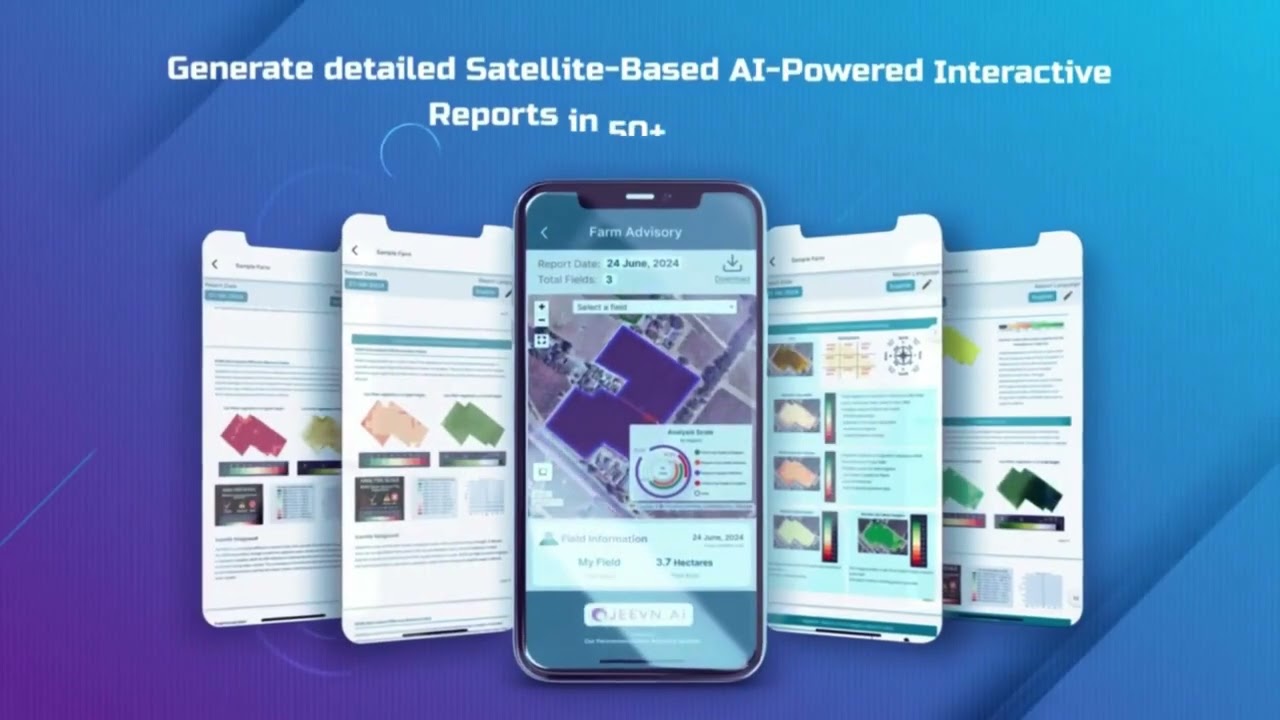
- Satellite-driven monitoring tools—like those offered by Farmonaut—provide actionable insights into resource use, carbon footprint, and environmental performance of large livestock operations.
Examples of Intensive Farming in 2025–2026
- Intensive chicken farming (broilers, layers) in enclosed facilities with precise climate, light, and feeding control.
- Automated swine production campuses with nutrient recycling and waste-to-energy systems.
- Dairy cattle operations with robotic milking and methane capture systems for renewable energy.
By 2026, these systems are increasingly integrating IoT sensors and satellite monitoring to optimize productivity while reducing the environmental impacts of large-scale operations, aligning with stricter policy and consumer demands.
Optimize your livestock operation’s sustainability with Farmonaut’s Carbon Footprinting tool. Accurately monitor, report, and reduce emissions—meet global standards and drive eco-friendly meat and dairy production.
“By 2026, sustainable practices could reduce livestock farming’s greenhouse gas emissions by up to 30% worldwide.”
Extensive Livestock Farming: Sustainability & Land Use
What Defines Extensive Livestock Farming?
Extensive livestock farming is anchored in the principle of allowing livestock to graze on wide pastures or rangeland areas with minimal intervention. Animals are not confined and rely mainly on natural forage for feeding. Labor and input costs are lower, and the focus is more on sustainability, animal welfare, and ecological balance.
- Common in Australia, New Zealand, Brazil, Argentina, and Sub-Saharan Africa.
- Animals graze freely over large areas, promoting biodiversity if managed properly.
- Less reliance on mechanized feeding, veterinary medicines, and high-density housing.
Environmental and Ethical Advantages
Extensively grazed systems, managed with rotational grazing and agroecological principles, offer significant environmental and ethical benefits:
- Improved soil health through manure cycling, limited compaction, and promotion of perennial grasses.
- Maintained or improved biodiversity by mimicking natural herd movements and reducing monoculture risks.
- Better animal welfare with lower stress levels and opportunities for natural behavior.
However, the tradeoff is a typically lower productivity per unit area, requiring more land to produce the same output as intensive systems. If improperly managed, overgrazing can still cause soil degradation and deforestation.
Examples of Extensive Livestock Systems
- Sheep and cattle grazing on vast rangelands in Australia and Argentina.
- Agroforestry and silvopastoral systems in Brazil and Africa, where livestock, crops, and trees are integrated for carbon sequestration and biodiversity.
- Traditional nomadic grazing by pastoralist communities across Africa and Central Asia.
For cattle stations, ranches, and large-scale livestock enterprises, Farmonaut’s Large Scale Farm Management solutions enable seamless monitoring of resource distribution, pasture readiness, and rotational schedules leveraging satellite imagery and AI analysis.
Comparative Analysis of Intensive vs Extensive Livestock Farming (2025 Estimates)
| Farming System | Land Use per Animal (ha) | Feed Input (kg/animal/year) | GHG Emissions (kg CO₂e/animal/year) | Animal Welfare Score (1–5) | Sustainability Rating (1–5) |
|---|---|---|---|---|---|
| Intensive Livestock | 0.03–0.05 | 750–1,250 | 2,800–5,000 | 2 | 2 |
| Extensive Livestock | 0.4–1.5 | 400–600 | 2,000–3,200 | 4 | 4 |
Note: Values are approximate and vary based on species, geography, and management intensity. Animal welfare and sustainability scores are estimated on a scale of 1 (low) to 5 (high).
Balancing Intensive and Extensive Farming: Integrated Approaches
In addressing the ongoing debate surrounding intensive farming and extensive farming, a central challenge lies in balancing productivity with sustainability and welfare concerns. Many experts anticipate the future of livestock farming will be shaped by integrated approaches—combining the productivity advantages of intensive systems with the environmental and ethical benefits of extensive systems.
Regenerative and Integrated Farming Systems
- Controlled rotational grazing—combines scheduled pasture use with supplementary feeding in confined periods for optimal animal health and output.
- Agroforestry and silvopastoral systems—integrate livestock with trees and crops, reducing erosion, boosting carbon sequestration, and providing shade (reducing animal stress).
- Regenerative agriculture—prioritizes soil health, biodiversity, and ecological restoration—emerging as a leading method for future livestock systems.
The benefits of such integrated models are multifold: higher overall sustainability ratings, enhanced welfare, and improved resilience amid climatic variability.
For livestock operations seeking supply chain transparency and consumer assurance, Farmonaut’s Traceability Solutions leverage blockchain technology to ensure authentic, secure records from pasture to plate—building trust and simplifying certification.
Technological Innovations & Policy Trends Shaping the Future
Technological Advancements in Livestock Farming
2025 and the years leading to 2026 have seen the agricultural sector—particularly livestock systems—embrace a suite of technological advancements to strengthen efficiency, animal health, and sustainability.
- Satellite-based monitoring: Real-time assessment of soil conditions, pasture growth, and environmental impact—driven by platforms like Farmonaut.
- Precision agriculture: AI and IoT-based sensors track feeding, grazing patterns, and animal health.
- Genomics and breeding: Selection for traits like disease resistance and high feed-conversion efficiency, reducing energy and chemical inputs.
- Bioengineered feeds: Reduce methane emissions and optimize nutrient use per animal.
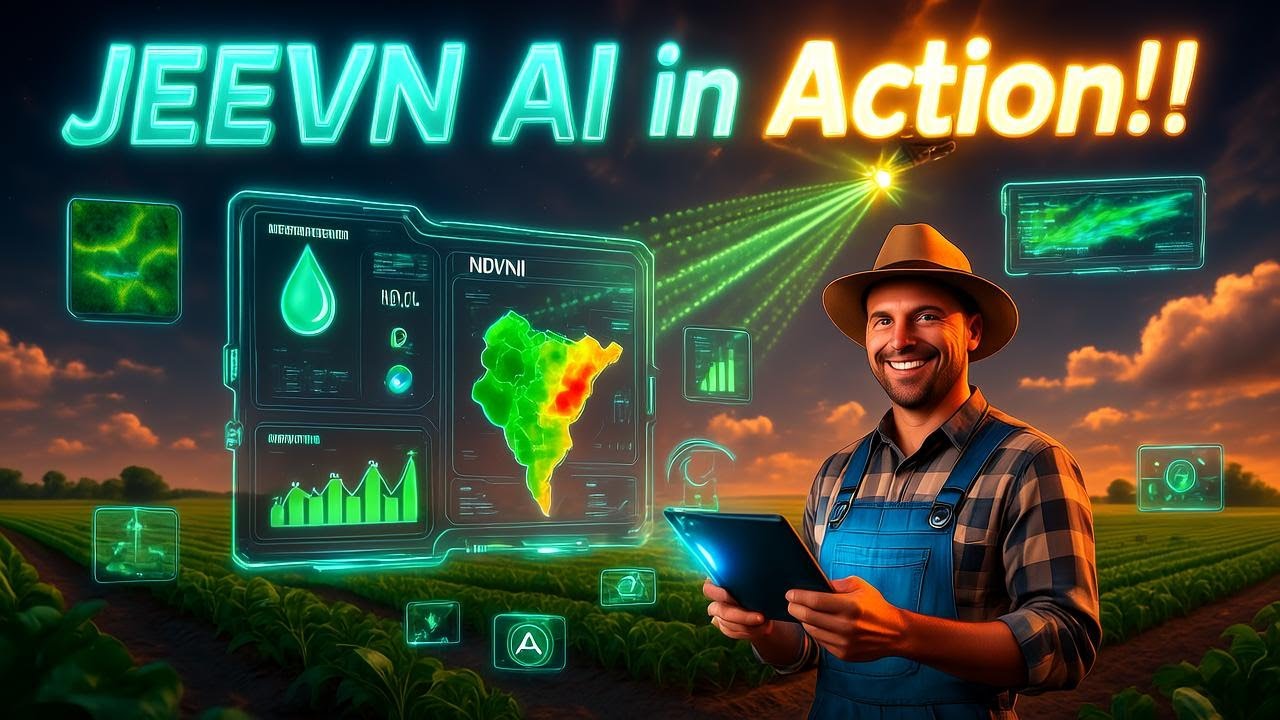
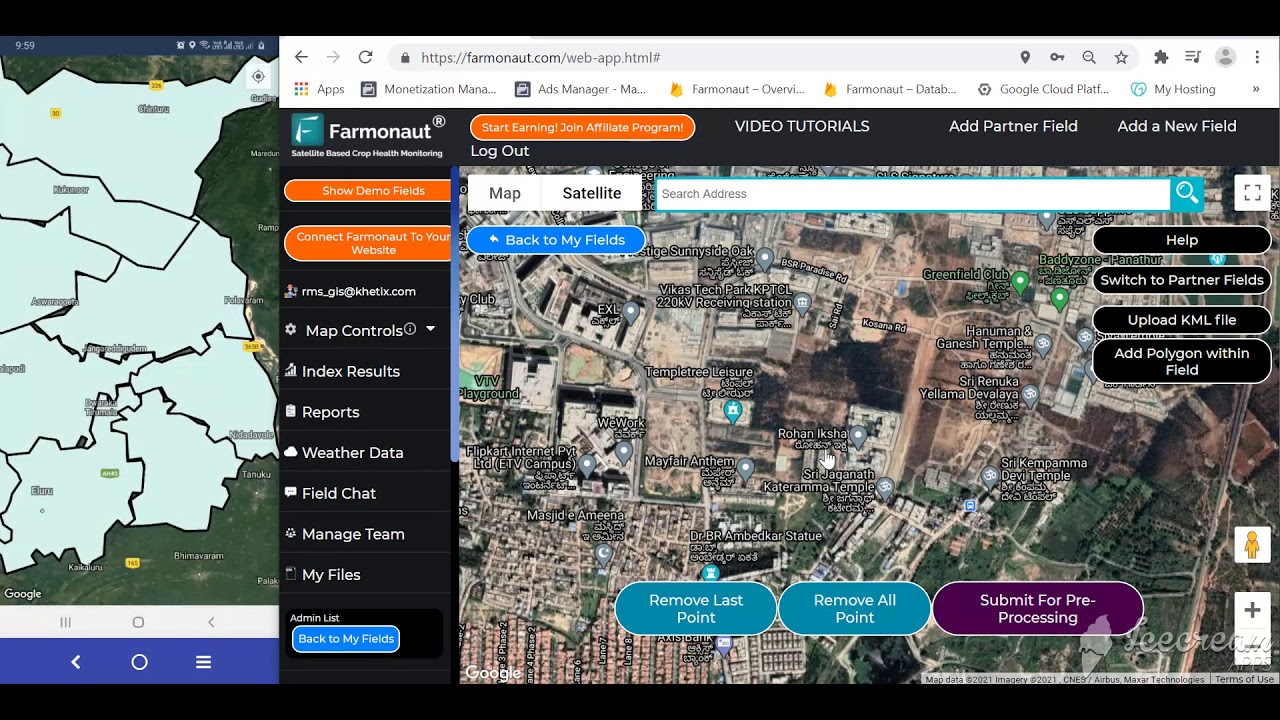
Farmonaut offers tools for real-time pasture monitoring, NDVI vegetation assessment, and AI-based advisories—empowering farmers to optimize output, reduce resource use, and adopt more sustainable practices across their livestock operations.
Policy and Market Imperatives
Policy frameworks have become more prominent in intensive and extensive livestock farming by:
- Setting emissions reduction targets for methane (use Farmonaut for tracking).
- Mandating animal welfare standards—including minimum space, access to outdoors, and monitored health indicators.
- Subsidizing sustainable practices and shifting industry incentives toward regenerative models via certification programs.
Consumer demand trends are shifting dramatically—there is growing interest in ethically produced, sustainable meat and dairy, with labels for animal welfare, reduced emissions, and verified land use.
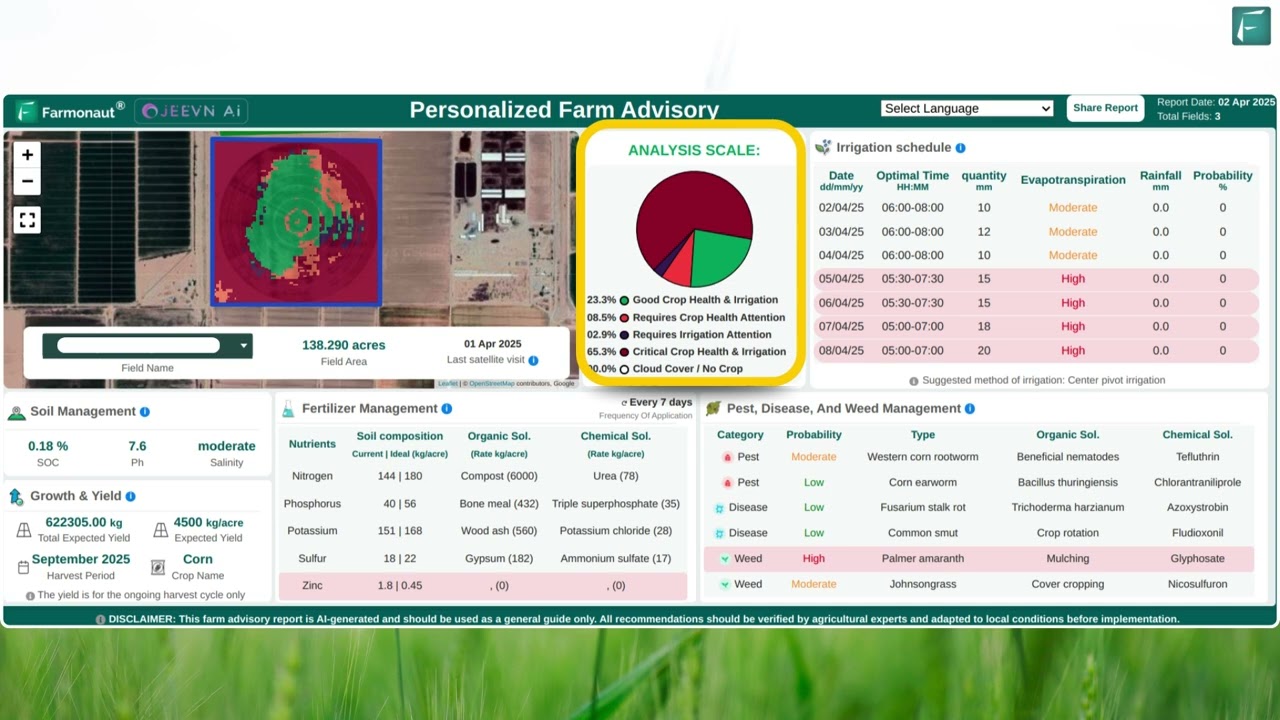
Receive expert AI-guided crop and plantation advisories, including pasture health for livestock, via Farmonaut’s advisory platform. Tap into weather forecasts and landscape-specific strategies to maximize extensive systems’ resilience.
For logistics-heavy operations—like large ranches needing efficient movement of animals, feed, or machinery—Farmonaut’s Fleet Management tools provide data-driven optimization of routes, fuel consumption, and maintenance for cost savings and reduced carbon impact.
Farmonaut: Flexible, Affordable Satellite Subscription Options
Empower your livestock enterprise or agri-business with real-time satellite monitoring, AI-based health insights, blockchain traceability, and field efficiency solutions—from small holdings to large ranches. See Farmonaut’s tiered subscription pricing below:
Livestock Farming in 2026 and Beyond: Future Outlook
Heading into 2026 and beyond, the trajectory of intensive and extensive livestock farming will be shaped by continued technological innovations, stronger policy drivers, and growing environmental and consumer concerns. Key trends influencing the landscape:
- Rapid adoption of integrated, data-driven solutions—including satellite-based analytics and AI advisory systems.
- Pressure for transparency and blockchain-powered traceability in livestock supply chains.
- Greater consumer influence on policy, with preferences for ethical and sustainable food steadily rising.
- Climate smart livestock management—combining emission-reducing feeds, planned grazing, and regenerative practices for carbon-negative targets.
Major Challenges Ahead
- Balancing productivity and sustainability—increasing protein output without breaching planetary boundaries.
- Land use conflicts—managing the tradeoff between high output per area and ecosystem health.
- Socio-economic equity—ensuring smallholders and developing regions can access technologies and benefit from global market shifts.
- Climate adaptation—developing livestock systems resilient to increased droughts, heatwaves, and shifting pasture zones.
How Farmonaut Supports Sustainable Livestock Farming
As a leading satellite technology company, we at Farmonaut equip farmers, businesses, and government stakeholders with affordable, advanced tools to transform livestock farming systems for the evolving demands of 2026 and beyond. Our core solutions empower users to:
- Monitor pasture health and growth via multispectral satellite imagery (NDVI), optimizing grazing schedules and supporting regenerative rotational management.
- Assess environmental impact in real-time, including soil health and carbon footprint for intensive and extensive systems.
- Leverage AI-powered advisories for feeding, health monitoring, and optimization strategies tailored to both intensive and extensive livestock operations.
- Ensure supply chain integrity with blockchain-backed traceability from field/pasture to processor and retailer.
- Streamline logistics and resource allocation through robust fleet management solutions.
- Access financing with accurate, satellite-verified data for insurance and loan applications (see how Farmonaut can assist with verification).
All these services are available through user-friendly Android, iOS, and web apps, scalable APIs, and bespoke business packages. Our mission is to democratize high-tech, data-driven agriculture—making sustainable intensification and responsible extensive management accessible to all.
Frequently Asked Questions: Intensive & Extensive Livestock Farming 2026
What is the key difference between intensive and extensive livestock farming?
Intensive livestock farming relies on high-density, confined animal systems aiming to maximize production per unit area, using technology for control and efficiency. Extensive livestock farming allows animals to graze freely over large areas, focusing on lower input use, natural cycles, and environmental sustainability. The main differences are in land use, input intensity, animal welfare, and environmental impact.
How does intensive livestock farming affect the environment?
While more efficient in land use, intensive farming often leads to higher waste production, increased water and air pollution, and greater greenhouse gas emissions per animal. Innovative systems (AI/methane capture) are mitigating some of these impacts, but environmental concerns remain substantial.
Is extensive livestock farming more sustainable?
Extensive livestock farming is generally more sustainable for ecosystem health, soil regeneration, and biodiversity—if properly managed with rotational grazing. However, because it uses more land per unit of output, land conflicts and overgrazing can become issues.
Which farming system offers better animal welfare?
Extensive systems typically score higher on animal welfare, as animals enjoy natural movement and behavioral freedom. Intensive systems can improve welfare using precision monitoring and enhanced housing but are challenged by density and confinement.
How is technology influencing livestock farming in 2026?
Technology (e.g., satellite imagery, AI, robotics, bioengineering) is enabling both intensive and extensive farming systems to increase efficiency, reduce emissions, provide real-time health monitoring, and support data-driven sustainability goals.
Can small-scale farmers benefit from satellite or AI-based tools?
Yes, platforms like Farmonaut offer scaled, cost-effective options for small farmers—helping them monitor pasture readiness, animal health, and compliance with environmental and welfare standards for better market access.
Where can I access satellite data and AI tools for livestock monitoring?
Farmonaut provides web, Android, and iOS solutions. Get started here or explore API options for integrating satellite data into your livestock operation.
Conclusion
In 2025 and as we step into 2026, the landscape of intensive and extensive livestock farming continues to evolve in response to growing environmental concerns, shifting consumer demands, and rapid technological advancements. Intensive livestock farming delivers unmatched productivity per unit area and supports the world’s protein demand, yet must grapple with significant environmental and welfare challenges. Extensive livestock farming presents a more sustainable and ethical approach—but risks inefficiencies and expanded land footprints.
The most resilient future for the livestock sector lies in adopting integrated, technology-enabled systems that harness the best of both methods—prioritizing sustainability, animal welfare, and food security amid evolving climatic, economic, and social pressures. With tools like those offered by Farmonaut, farmers and industry stakeholders can make informed, data-driven decisions that support a thriving, resilient agriculture landscape for 2026 and beyond.
Ready to experience sustainable intensification, ethical innovation, and a truly data-driven future for your livestock operation? Begin your journey with Farmonaut today.
Discussion
Questions, corrections or field experience? Share them below. First-time comments are reviewed before they appear, and your email is never published.
No comments yet. Be the first to add a question or your experience.

 Gen Chayat
 Chimera Innovation
 Hiteshi Infotech
 Clubhouse OS
 SkyHarvest
 Polaris Digitech
 Teledarbas
 Wild Oak Farm
 SFX
SFX BACF Africa
 Doodlakine
 Exurbia Geospatial
 FieldZero
 Indico Company
