

Farming Futures: Technologies Shaping Agriculture
Table of Contents
- Introduction: Envisioning the Farming of the Future
- Trivia: Precision Agriculture Impact
- Key Drivers Shaping Farming Futures in 2025 and Beyond
- Technological Innovations Driving the Farming Future
- Artificial Intelligence, Satellites & Drones: The Precision Agriculture Revolution
- Tech Innovations: Explore Video Insights
- Comparative Technology Impact Table
- Sustainability and Regenerative Agriculture Practices
- Digital Platforms, Farm Management, and Data-Driven Decisions
- Financial Instruments and the Futures Market in Agriculture
- Trivia: Technology-Powered Sustainable Practices
- Farmonaut: Shaping the Future of Agriculture with Satellite Technology
- Addressing Key Challenges in Farming Futures
- Farmonaut Solutions: Tech, Sustainability, and Scalability
- Conclusion: The Road Ahead for Farming Futures
- Frequently Asked Questions (FAQ)
Introduction: Envisioning the Farming of the Future
In the face of global population growth, accelerating climate change, and increasing resource constraints, the world’s agricultural sector finds itself at a pivotal moment. The concept of farming futures has gained remarkable prominence as we collectively seek resilient, efficient, and sustainable ways to feed our planet. Farming futures is not just a buzzword—it’s a critical framework for envisioning and implementing the agriculture of tomorrow. In 2025 and beyond, this concept encapsulates the integration of advanced technologies, innovative mechanisms, and transformative management strategies to revolutionize how we approach farming, the future of food production systems, and the stewardship of our planet’s vital resources.
This journey through farming futures will reveal how precision agriculture, sustainability, and cutting-edge technologies are propelling the world toward a new era of agricultural innovation and resilience—addressing both current challenges and the opportunities that lie beyond 2025.
“By 2025, precision agriculture is projected to increase global crop yields by up to 30% through data-driven techniques.”
Key Drivers Shaping Farming Futures in 2025 and Beyond
The farming of the future is deeply intertwined with a host of transformative forces, each driving change in how we grow food and maintain ecosystem health. Let’s examine the most prominent drivers propelling farming futures forward
- Population Growth: The world’s population continues to expand, increasing the demand for food and agricultural products.
- Climate Challenges: Unpredictable weather, extreme events, and land degradation necessitate more resilient agricultural systems.
- Resource Constraints: Scarcity of water, arable land, and labor mean we must optimize every input for maximum impact.
- Technological Innovations: Precision agriculture, AI, drones, satellite imagery, and smart digital platforms are redefining farm management and operational efficiency.
- Sustainability Imperatives: Pressure to ensure environmentally sound and regenerative practices that reverse degradation, sequester carbon, and boost biodiversity.
- Evolving Market Mechanisms: Futures market agriculture, digital trading, and blockchain-based traceability are reshaping economic incentives and risk management in agriculture.
The intersection of these drivers creates a dynamic landscape for farming futures, offering both challenges and remarkable opportunities to transform how we produce, distribute, and safeguard our food supply.
Technological Innovations Driving Farming Futures in 2025
At the heart of farming futures is the rapid adoption of groundbreaking technologies across all scales of agriculture. These innovative tools are enabling farmers to monitor crops, optimize resources, and build climate-resilient operations.
- Precision Agriculture: Powered by AI, drones, satellite imagery, and IoT sensors, this approach enables detailed monitoring of soil, crop health, and resource needs down to an unprecedented granularity.
- Digital Platforms: Modern software platforms and farm management apps allow for centralized tracking of inputs, yields, and environmental data.
- Automation & Robotics: Automated machinery and robotics can plant, tend, and harvest crops around the clock, overcoming labor shortages and boosting productivity.
- Biotechnologies: Advances including gene editing via CRISPR are producing crop varieties that are more resistant to pests, diseases, and extreme weather.
- Blockchain: Ensures the traceability and transparency of products and input sources, especially relevant in the futures market agriculture and for regulatory compliance in supply chains.
- Smart Irrigation: Sensor-driven irrigation systems deliver precise amounts of water to crops, conserving a crucial resource and increasing efficiency.
Artificial Intelligence, Satellites & Drones: The Precision Agriculture Revolution
Modern precision agriculture harnesses the power of artificial intelligence and advanced machine learning to analyze massive datasets generated by satellite imagery, drones, and ground-based IoT sensors. With these insights, farmers can:
- Detect subtle variations in soil conditions and monitor vegetation health
- Optimize the use of fertilizers, water, and pesticides for increased yields and minimized environmental impact
- Predict and proactively address pest outbreaks, disease risk, and weather volatility

For farmers and agricultural managers seeking a seamless experience, Farmonaut’s web and mobile apps offer real-time crop health monitoring, optimized resource management, and tailored AI-driven advisory (learn more and access the platform:

).
Access our APIs for integration into business systems:
Farmonaut API
(API Developer Documentation).
For Android users:

For iOS devices:

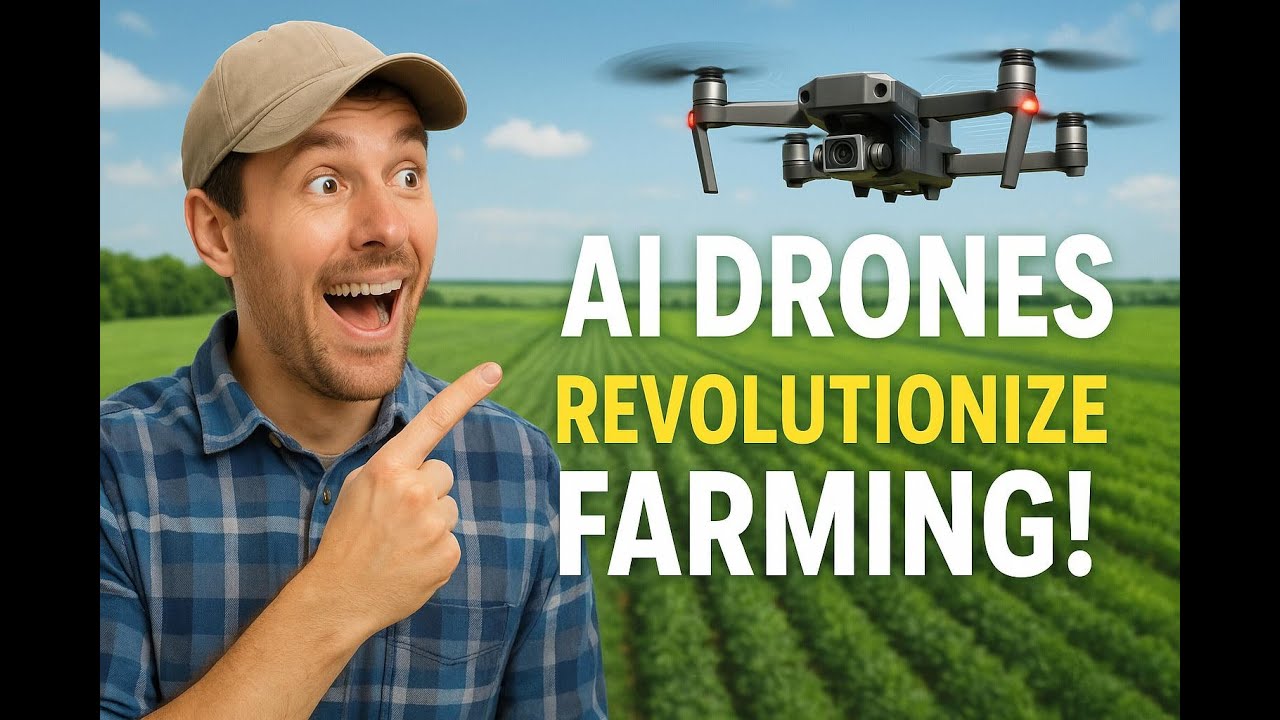
Tech Innovations: Explore Video Insights
Discover how advanced technologies are actively shaping farming futures with these handpicked videos:
-
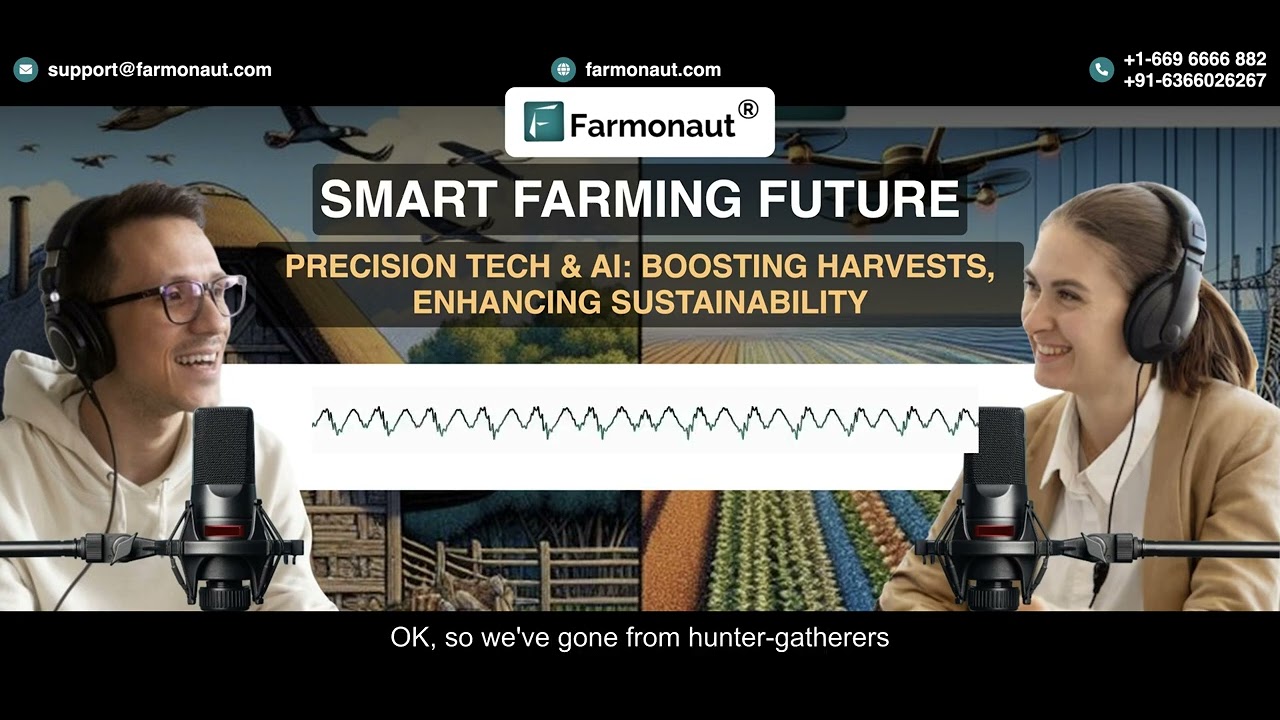
Smart Farming Future – Precision Tech & AI:
-
The Future of Farming: Satellites, AI, and Geotagging – Farmonaut’s Vision:

-
Farmonaut – Revolutionizing Farming with Satellite-Based Crop Health Monitoring:

Comparative Technology Impact Table: Shaping the Farming Future
| Technology | Primary Use / Function | Estimated Adoption Rate (2025, %) | Impact on Yield (Estimated % Increase) | Sustainability Contribution |
|---|---|---|---|---|
| Satellite Imagery | Remote crop, soil, and water stress monitoring | 40% | 20–30% | Reduces input waste & prevents overuse; supports large-scale precision agriculture and sustainability |
| IoT Sensors | Real-time soil, weather, and crop data collection | 35% | 15–25% | Enables precision fertilization and irrigation, minimizing environmental impact |
| Drones | Aerial crop health assessment and pesticide application | 25% | 10–20% | Reduces chemical use; allows targeted interventions for sustainability |
| Artificial Intelligence (AI) | Predictive analytics for yields, risk, and input optimization | 30% | 20–30% | Optimizes operational efficiency; drives regenerative practices |
| Precision Irrigation | Automated, data-driven water management | 40% | 10–15% | Major conservator of water; mitigates water scarcity challenges |
Explore Farmonaut’s carbon footprinting solutions for agriculture, supporting your journey toward sustainability:
Carbon Footprinting in Agriculture.
For supply chain transparency, visit Farmonaut’s blockchain-based product traceability page:
Product Traceability for Agriculture.
Sustainability and Regenerative Practices in the Farming Future
The emphasis on sustainability and regenerative agriculture is unmistakable in the farming futures landscape. These practices are not only about reducing environmental impact, but also about building resilient ecosystems, reversing land degradation, and combatting climate change.
Core Regenerative Techniques
- Cover Cropping: Utilized to improve soil health, increase carbon sequestration, and enhance biodiversity.
- No-Till Farming: Reduces soil disturbance, preserves organic matter, and limits erosion.
- Diversified Crop Rotations: Helps break pest cycles, adds nutrients naturally, and strengthens farm ecosystems.
- Smart Water Management: Advanced irrigation systems deliver water precisely, minimizing waste and ensuring crops thrive under resource constraints.
- Integrated Pest Management: A balanced combination of biological controls, digital monitoring, and targeted interventions reduces chemical use significantly.
For those looking to step up their regenerative farming journey in 2025, check Farmonaut’s large-scale farm management tools supporting ecosystem resilience:
Large Scale Farm Management Solutions.
Carbon Footprinting: Ensuring a Sustainable Future
Accurately tracking carbon emissions and understanding environmental impact is becoming central to farming futures for both compliance and consumer trust. Tools like Farmonaut’s carbon footprinting platform help agricultural enterprises monitor and improve carbon management. Learn more here:
Farmonaut Carbon Footprinting.
Digital Platforms, Data, and Smart Farm Management: The Heart of the Farming Future
Data-driven decision making defines the farming future. Through cloud-based platforms and centralized management applications—including Farmonaut’s AI-driven Jeevn AI* advisory—agricultural operations now embrace:
- Real-time Monitoring: Satellite images and field sensors provide ongoing updates on crop health, soil conditions, and environmental variables.
- Predictive Analytics: Weather forecasts, market volatility alert systems, and risk assessment tools allow farmers to proactively adjust operations.
- Resource Optimization: Analytics enable precise fertilizer, water, and input management, reducing waste and cost.
- Farm Operation Streamlining: With platforms and APIs, users can digitally manage multiple fields, machinery, and logistics from remote locations—key for scaling agricultural businesses in 2025 and beyond.
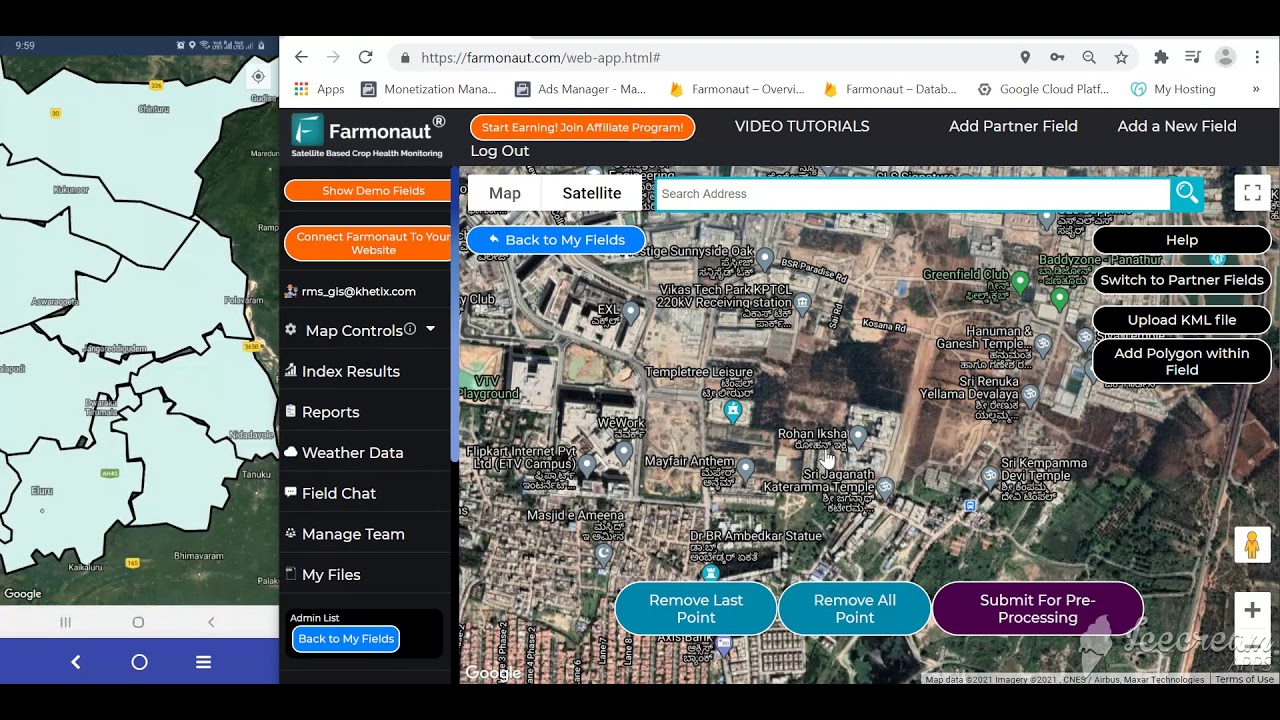
Get started with Farmonaut for field mapping and remote monitoring:
Farmonaut Large Scale Field Mapping
For growers seeking advisory on forest and crop plantation, explore Farmonaut’s dedicated solutions:
Crop & Forest Advisory Platform
For agricultural enterprises, optimizing the movement of vehicles and equipment is vital. Farmonaut’s
Fleet Management Tool
enables you to track, manage, and improve machinery and transport logistics at scale.
To reduce risk and access financing through verified records, discover Farmonaut’s
Crop Loan and Insurance Verification Solutions.
Financial Instruments and the Futures Market in Agriculture: Safeguarding the Farming Future
- Futures market agriculture is rapidly evolving beyond traditional risk management. Digital contracts are increasingly tying payments and settlement to actual sustainable practices, verified using platforms like satellite-based resource monitoring and blockchain traceability.
- With blockchain integration, farmers and financiers can ensure that investments and contracts support verified environmental and ethical standards, demanded by both consumers and regulators.
- Technological advances are enabling more accurate forecasts of market volatility and tailored investment products to help address the uncertainty introduced by extreme weather and supply chain disruptions.
- Across the farming world, platforms like those offered by Farmonaut provide satellite-based verification for crop insurance and loan eligibility, enhancing trust between financial institutions and farmers. Learn more about Farmonaut Crop Loan & Insurance Verification.
“Over 60% of farms worldwide are expected to adopt sustainable practices powered by advanced technologies by 2030.”
Farmonaut: Shaping Farming Futures Through Satellite, AI, and Blockchain
Farmonaut is at the leading edge of farming futures, providing comprehensive tools to monitor crops, analyze soil health, predict weather impacts, and manage resources smarter. Through our blend of satellite imagery, artificial intelligence, and blockchain traceability, we empower users—from small individual growers to governments and corporates—to make actionable decisions that address both productivity and sustainability:
- Satellite-Based Monitoring: Access NDVI and other advanced indices to monitor crop health, soil stress, and detect problems before they impact yield.
- Jeevn AI Advisory: Real-time insights and custom recommendations to solve sector-specific agricultural challenges.
- Environmental Impact Monitoring: Track emissions, water use, and land changes in real time to comply with regulations and implement sustainable practices.
- Blockchain-Based Traceability: Transparent, fraud-resistant supply chains for agricultural products that meet global market standards.
- Fleet & Resource Management: Optimize operational efficiency from field to factory.
Our subscription-based platform adapts to a diverse user base via mobile apps, web browser, and developer APIs. For businesses seeking seamless integration, our API and developer documentation provide all necessary interfaces.

Transform your agricultural operation, from local field to global supply chain, with Farmonaut’s tailored subscription plans:
Addressing Challenges for the Farming Future
Despite the remarkable advancements, several persistent challenges must be addressed to realize the full potential of farming futures:
- Equitable Access to Technology: Bridging the digital divide globally, especially in developing regions, to ensure smallholders aren’t left behind.
- Policy Frameworks: Governments and regulatory bodies must adapt policies that support innovation without compromising biodiversity and rural livelihoods.
- Training & Knowledge: Farmers need tailored education and ongoing technical support for effective adoption of advanced solutions.
- Data Privacy & Security: As more agricultural processes go digital, protecting farmers’ data becomes crucial.
- Integrating Sustainability: Mainstreaming climate-smart regenerative practices into all farming systems, with actionable tracking and reporting.
Farmonaut is deeply committed to making satellite-driven insights accessible and affordable, democratizing technology for a more inclusive, sustainable farming future.
Farmonaut Solutions: Tech, Sustainability, and Scalability for Every Farm
Our Platform Benefits All Agricultural Stakeholders
- Individual Farmers: Access affordable, site-specific advice, weather forecasts, and soil condition alerts to optimize each growing season.
- Businesses: Enable comprehensive large-scale monitoring, fleet tracking, and transparent supply chain management—ideal for producers, cooperatives, CPGs, and logistics firms.
- Governments: Monitor agricultural productivity, manage resources, and implement effective policy with the support of real-time, scalable platforms.
- Financial Institutions: Streamline loan issuance and crop insurance verification, leveraging verified, satellite-driven evidence to minimize risk.
- Corporate Clients: Use blockchain-based traceability to verify and promote ethical, sustainable supply chains meeting global market standards.
Conclusion: The Road Ahead for Farming Futures
In 2025 and well into the coming decades, farming futures will continue to shape agriculture—blending state-of-the-art technology, robust sustainable practices, advanced data management, and innovative financial mechanisms. This convergence is building an agriculture system capable of feeding the world, preserving biodiversity, reversing land degradation, and thriving under resource and climate constraints.
As demand for food and fiber grows, embracing the digital transformation of agriculture will be essential for all sector participants. Whether you’re a farmer, agribusiness, policy-maker, or technology developer, the farming future is about leveraging advanced tools for productivity, transparency, and real resilience—in harmony with the needs of tomorrow’s planet.
To start or accelerate your digital farming journey, explore Farmonaut’s suite of tools for real-time remote monitoring, resource management, sustainability tracking, and enhanced financial security:
Get Started with Farmonaut Apps
The future of agriculture is here—connected, data-driven, and ready to address the world’s greatest challenges.
Frequently Asked Questions (FAQ) About Farming Futures
Q1: What does “farming futures” mean?
Farming futures refers to the convergence of advanced technologies, sustainability practices, and new market mechanisms to create an agriculture system designed for resilience, efficiency, and climate adaptability in 2025 and beyond.
Q2: How are precision agriculture and AI shaping the farming of the future?
Precision agriculture and AI-powered platforms allow for detailed monitoring of soil, crop health, and weather, enabling farmers to optimize the use of resources, increase productivity, reduce waste, and minimize environmental impact.
Q3: Why is sustainability so important in futures agriculture?
Sustainability ensures that farming not only meets current production demands but also safeguards soil, water, and biodiversity for future generations. Techniques like cover cropping, no-till, and smart irrigation all contribute to a more resilient environment.
Q4: What role does Farmonaut play in the future of farming?
Farmonaut delivers affordable, advanced satellite-based monitoring, AI-driven insights, and blockchain traceability, making it easier for farmers, businesses, and governments to implement data-driven, sustainable, and scalable agricultural management for the future.
Q5: How do digital platforms and data management improve agricultural productivity?
Digital platforms centralize data, provide real-time updates, generate predictive models for risk and yield, and streamline everything from input use to logistics, making the entire farming operation more efficient and transparent.
Q6: How can I start using Farmonaut’s solutions?
Simply sign up via the Farmonaut app or web platform, explore our API for developers, or learn more about subscription options to access real-time monitoring, advisory, and sustainability tools.
Q7: What is the estimated impact of adopting advanced technologies in agriculture by 2025?
By 2025, it’s projected that precision agriculture could increase global crop yields by up to 30%, with up to 60% of farms adopting sustainable, tech-driven practices aided by AI, satellite imagery, smart irrigation, and robust data platforms.
© 2025 Farming Futures Blog
For more resources and the latest updates, visit the Farmonaut Official Site

 Save Your Soils
 YelloSkye
 GalaxEye Space
 Grandstream Algérie
 XOS Realty
 Geospatial Lab Africa
 Agro La Gándara
 HIPSAC
 ZOL Zimbabwe
 Juligerm
 AdBio
AdBio MISE Maroc
 NWNS
NWNS Red August Group
 Farm Inc
 WeMe Global
 Agrotoken
 Blue BearX
 Insignito
