

Top 10 Precision Ag Products & Agri Products List 2026
The Future of Agricultural Products in 2025: Embracing Innovation for Sustainable Growth
_”By 2026, global precision agriculture market value is projected to exceed $14 billion, driven by smart sensors and data analytics.”_



Table of Contents
- Introduction: Agricultural Products, Innovation and 2026 Landscape
- Understanding Modern Ag Products & Their Core Categories
- Precision Agriculture: Smart Solutions for A Sustainable Future
- Comparative Feature Table: Top 10 Precision Ag Products & Agri Innovations 2026
- 2025 Trivia: Soil Health & Sustainability in Ag
- Sustainable Farming Practices Shaping Ag Products
- Transformation of Dairy Farm Products by Technology
- Key Challenges & Opportunities 2026
- How Satellite Insights & Farmonaut Promote Agri Innovation
- Envisioning the 2026 Ag Products Landscape
- Frequently Asked Questions
Introduction: Agricultural Products, Innovation and 2026 Landscape
Agricultural products have always formed the backbone of global food security and economic stability. As the global population continues to grow and climate change intensifies, the agricultural sector faces increasing pressure to boost productivity, enhance sustainability, and meet evolving consumer demand.
By 2025 and 2026, a new wave of precision ag products and agricultural innovations is shaping the future of crop, dairy, and soil management, promising a shift towards smarter and more sustainable farming practices.
This article explores the top 10 ag products and agri products list for 2026, focusing on innovations in precision agriculture, sustainable practices, and the transformation of the agricultural landscape.
Understanding Modern Ag Products & Their Core Categories
What Are Agricultural Products?
At their core, agricultural products or ag products encompass a broad range of farm outputs. These outputs include:
- Crops: cereals (like wheat, rice, maize), pulses, grains, fruits, vegetables, and specialty crops.
- Livestock-Derived: dairy farm products, meat, eggs, wool, and animal health byproducts.
- Agri Inputs: seeds (including advanced genetically tailored varieties), fertilizers (including smart formulations), biopesticides, and feed additives.
Within this wide spectrum, a transformative subset is precision ag products, which are enabled by cutting-edge technology and data-driven insights.
Precision Ag Products: Evolution of the Agri Products List
- Precision ag products refer to tools, techniques, and inputs that enable optimal, site-specific management of farm, crop, and dairy production using technologies like sensors, drones, satellites, and AI-based analytics.
- The traditional agri products list has expanded beyond cereals and staples—with organic grains, nutraceutical plants, and sustainably produced dairy farm products gaining prominence. This shift is driven by market demand for diversity, traceability, and environmental responsibility.
- Dairy products in particular have benefited from innovations in animal health monitoring and feed optimization, leading to higher quality milk with lower environmental footprints.
- Within these product categories, precision solutions promise higher yields, reduced waste, and enhanced traceability.
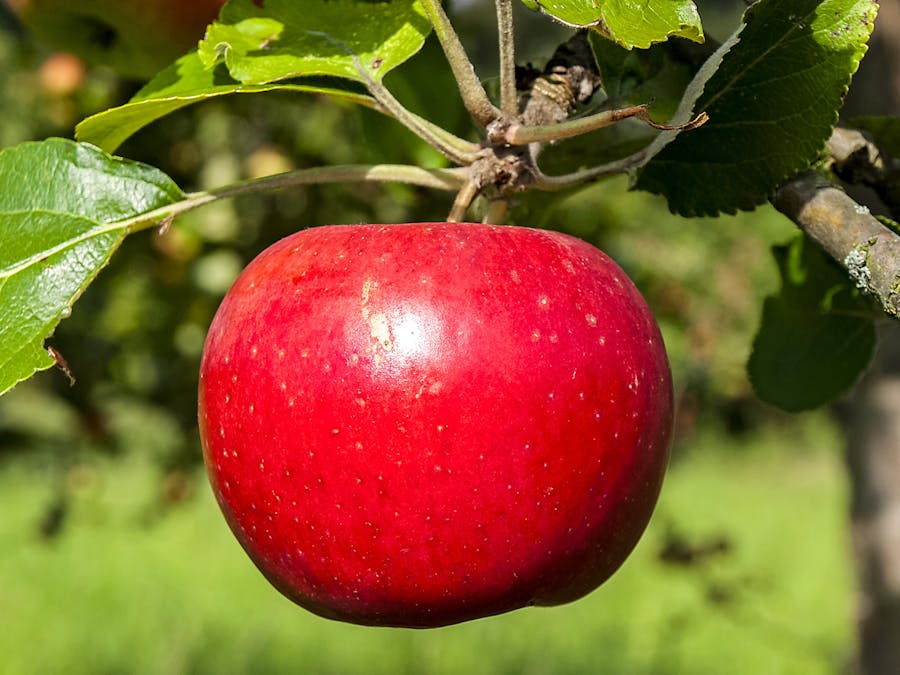
Precision ag products and drone imagery support optimal crop and farm management for the future.
Precision Agriculture: Smart Solutions for A Sustainable Future
The Game-Changer: How Precision Ag Products Elevate Productivity
Precision agriculture is the game changer in the ag sector, leveraging sensors, satellite imagery, IoT devices, and AI analytics to monitor crop health, soil conditions, and weather patterns in real time. Instead of blanket treatment, farmers apply water, fertilizers, and biopesticides only where and when necessary. This reduces waste and maximizes yields, directly addressing the twin challenges of feeding a growing population and ensuring sustainability.
- Variable Rate Technology (VRT): Enables precise application of agricultural inputs like fertilizers and biopesticides depending on real-time data.
- Advanced Monitoring: Satellite-based insights and IoT sensors enable timely disease and pest detection to minimize losses.
- Efficient Irrigation: Smart irrigation systems adjust water use based on localized weather and soil moisture.
- Farm Management: Digital platforms like Large Scale Farm Management allow for centralized decision-making and resource distribution.
_Check out this short tutorial for real-world crop monitoring solutions:_

From Sensors to Satellites: Technology Pillars of Modern Farm Products
- Sensors & Drones: Provide granular monitoring of plant and soil health.
- Satellite Imagery: Covers large areas, revealing spatial patterns and forecasting risks.
- AI & Analytics: Synthesize big data for actionable farm insights.
As a result, both smallholders and large operators are adopting precision ag products within the agri products list for higher yields, resource use efficiency, and sustainable growth.
Traceability & Transparency: The Next-Gen Consumer Demand
Consumers are increasingly seeking proof of sustainability and food safety. Blockchain-powered platforms, like Farmonaut’s Product Traceability solutions, help trace agricultural products from seed to shelf, boosting consumer trust and enabling compliance with stringent standards.
“2025 will see more food producers adopt blockchain-based verification to ensure the authenticity and safety of farm products delivered to both local and global markets.”
The Importance of Data in Precision Crop, Soil & Dairy Management
- Crop Health: Satellite and sensor data enable real-time guidance on disease, fertilizer and irrigation timing.
- Soil Conditions: Technologies provide NDVI, soil moisture, organic matter, and nutrient distribution for optimal input application.
- Dairy Monitoring: Smart systems track animal health, feed optimization, and production cycles for improved dairy farm products.
Learn why AI-powered solutions and drones will keep revolutionizing agritech:

Comparative Feature Table: Top 10 Precision Ag Products & Agri Innovations 2026
Below is a comparative table of the top 10 precision ag products and agri innovations shaping 2026. Quantitative data—such as estimated 2025 market value, estimated yield improvement, and sustainability impact—help showcase authority and relevance for sustainable farming growth.
| Product Name | Category | Estimated 2025 Market Value (USD) | Main Function/Feature | Estimated Yield Improvement (%) | Sustainability Impact Score (1–10) | Description |
|---|---|---|---|---|---|---|
| Satellite Crop Monitoring Platforms | Crop & Soil Management | $2.5B | Remote crop, soil, and weather status insights | 10–20% | 9 | Utilizes multispectral imagery and AI to optimize irrigation, inputs, and harvesting. |
| AI-Powered Farm Advisory Systems | Farm Management | $1.2B | Real-time, tailored advisory (seeding, disease, markets) | 8–15% | 8 | Combines weather, crop, market and risk predictions for strategic decisions. |
| Variable Rate Application (VRA) Machines | Crop Inputs Management | $1.8B | Precision application of fertilizers/pesticides | 7–12% | 8 | Adapts input rates to soil/crop zone conditions, improving use efficiency. |
| Smart Soil Health Monitoring Sensors | Soil Analysis | $900M | On-field soil quality and moisture monitoring | 5–10% | 10 | Tracks pH, moisture, carbon, nutrients, guiding sustainable inputs. |
| Blockchain Traceability Platforms | Supply Chain | $850M | Track origin and journey of farm products | — | 9 | Ensures transparency, safety, and authenticity for consumers & regulators. |
| Biologicals & Biopesticides | Crop Health Inputs | $2.0B | Plant disease/pest biological control agents | 5–10% | 10 | Reduces chemical use. Boosts ecology and sustainable yields. |
| Dairy IoT Monitoring Systems | Dairy Tech | $700M | Animal health, activity, & yield tracking | 8–14% | 8 | Improves feed management, reduces diseases, enhances milk quality. |
| Regenerative Ag Carbon Platforms | Sustainability Management | $500M | Carbon footprinting, incentives for eco-farming | — | 10 | Tracks & reduces emissions, supporting soil health and carbon credits. |
| Climate-Resilient Crop Varieties | Seeds/Plant Breeding | $4.0B | Crops bred for stress/weather resistance | 10–30% | 9 | Enables stable output despite adverse conditions like droughts. |
| Digital Fleet & Resource Tracking | Logistics & Operations | $620M | Monitor field machinery and vehicles | 4–8% | 7 | Cuts waste, reduces emissions, boosts operational efficiency. |
Source: Industry projections; feature comparison reflects prevailing and anticipated trends for precision ag products 2026.
2025 Trivia: Soil Health & Sustainability in Ag
_”Over 60% of top agri products in 2025 will incorporate soil health monitoring and sustainable management technologies.”_
Access real-time AI-based advisory systems, carbon monitoring, and satellite-driven insights via the Farmonaut API or developer documentation (Developer Docs). These resources empower precision farming, sustainability, and business intelligence for enterprises and smallholder farmers alike!

Sustainable Farming Practices Shaping Ag Products
How Sustainability Is Reshaping 2026 Agri Products List
Sustainability is a non-negotiable requirement for the future of agriculture. Consumers increasingly demand agri products that are produced sustainably, transparently, and responsibly. Leading practices include:
- Regenerative Agriculture: Aims to restore soil health, increase biodiversity, and lock carbon in the ground, delivering tangible benefits for soil, water, and climate. Carbon footprinting and carbon credits (see Farmonaut’s Carbon Footprint Monitoring) help track and incentivize eco-friendly practices.
- Organic Farming: Eliminates synthetic chemicals, focusing on natural inputs and crop rotations for improved soil and food quality.
- Conservation Tillage: Reduces disturbance to topsoil, cutting erosion and supporting emergence of beneficial soil biota.
- Integrated Pest Management (IPM): Combines biological, mechanical, and targeted chemical tools to reduce reliance on synthetic pesticides.
- Precision Irrigation: Uses data-driven scheduling and soil/plant sensors to minimize water use while maximizing growth, sustainability, and resilience.
See how carbon farming and regenerative techniques are shaping the next wave of agri products:

The Impact of Innovation on Crops, Dairy, and Environmental Health
- Smart Fertilizers and Biopesticides: Enhance soil fertility while reducing emissions and negative environmental impact. Their use increases steadily as part of the modern agri products list.
- Sustainable Dairy Production: Feed optimization and targeted health interventions improve dairy farm product quality while reducing GHG emissions.
- Nutraceutical Crops: Produce functional food compounds, blending nutrition and sustainability—meeting new market trends while regenerating the soil.
Want a deep dive into smart, organic, and precision-based viticulture?

Transformation of Dairy Farm Products by Technology
How Dairy IoT, Animal Health Monitoring & Genetics are Redefining Dairy
The dairy sector, often a spotlight in discussions on agricultural sustainability, is experiencing an intensive transformation:
- IoT-Enabled Dairy Monitoring: Sensors and wearable devices monitor animal health, activity, temperature, and even stress levels. This allows for rapid detection of illness, optimizing feed and treatment protocols for higher milk yield and quality.
- Feed Optimization Algorithms: AI models process data and suggest refined rations, cutting waste and minimizing methane emissions, resulting in more sustainable dairy farm products.
- Breeding for Lower Emissions: Animal genetics are being enhanced to select for lower-methane cows and disease resistance, enhancing both productivity and environmental credentials.
- Traceable, Quality Dairy: Advanced traceability solutions ensure that milk, cheese, and other goods meet strict quality and sustainability standards.
Sustainably Produced Dairy Farm Products in the 2026 Market
- Resulting Dairy Products: Higher protein, lower contaminants, and certified ecological footprints make new dairy farm products preferred in global and local markets.
- Waste Management: Smart farm systems process waste for bioenergy, closing nutrient loops and reducing environmental footprints.
App-based Dairy Monitoring: Make Data Accessible
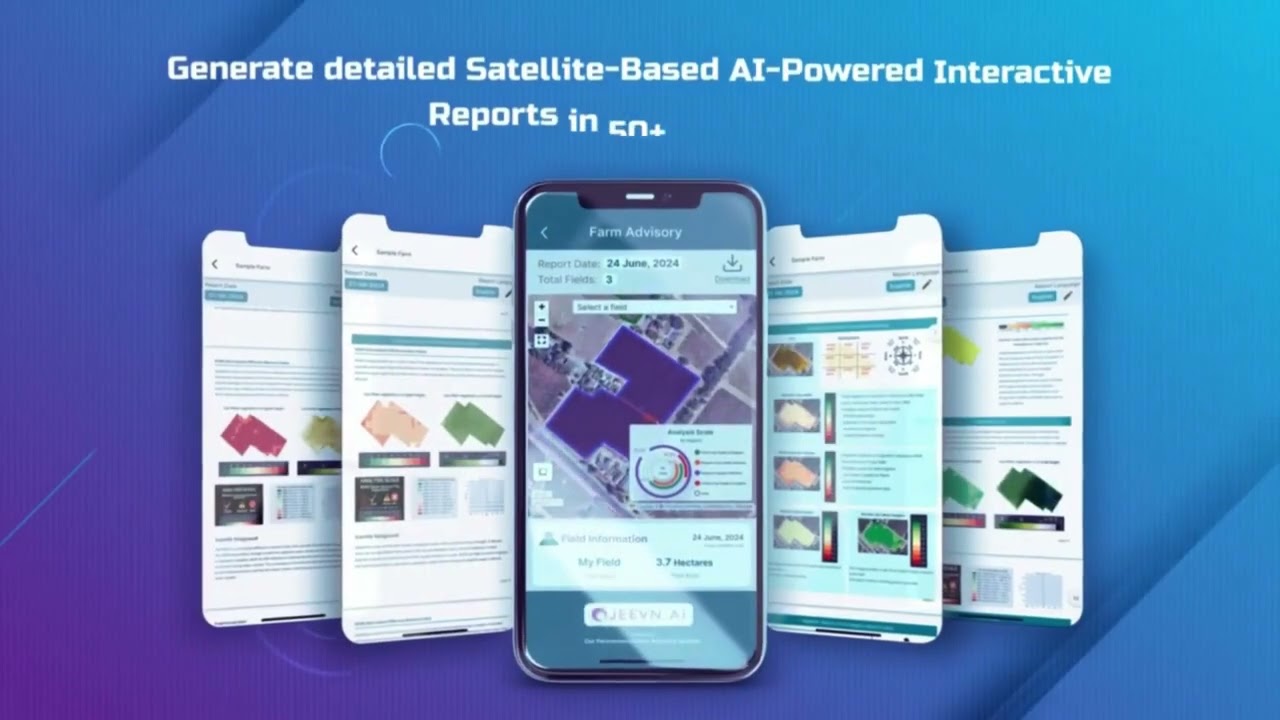
Decision-makers and smallholder farmers can access satellite crop health, animal well-being, and input management on mobile and web via Farmonaut’s diversified app platforms. Our platform supports sustainable and data-driven evolution in dairy farm product production.
Key Challenges & Opportunities 2026
Challenges Facing Adoption of Ag Products and Precision Agriculture
- Access to Capital: Smallholder farmers often face barriers to adopting modern precision ag products due to cost and infrastructure gaps.
- Interoperability: Farm products’ platforms often lack standardization, making large-scale adoption complex.
- Data Privacy and Security: As technology adoption rises, so do concerns about control and security of sensitive farm data.
- Skill Gap: Farmers and stakeholders require new training for data-driven and technology-based farming practices.
Financial verification services, such as those enabled by Farmonaut’s crop loan and insurance verification, are making agri lending and insurance more accessible—reducing fraud and increasing reach for smallholders.
Opportunities Driving Growth in the Agricultural Sector
- Public and Private Support: Governments are increasing direct funding, and international organizations are scaling up digital agriculture and farmer training programs for broader impact.
- Climate-Resilient Crop Varieties: New breeding programs and climate-tolerant plant technologies are key to adapting productivity to shifting weather conditions and ensuring global food security.
- Data-Driven Resource Allocation: Minimizes both resource cost and environmental waste, supporting sustainability goals.
- Scalable Digital Platforms: The advance of platforms like Farmonaut Apps, accessible on Android, iOS, and web, enables expansion as operations grow.
How Satellite Insights & Farmonaut Promote Agri Innovation
Farmonaut: Leveraging Satellite Data, AI & Blockchain for Sustainable Growth
At Farmonaut, we leverage satellite imagery, AI analytics, blockchain traceability, and real-time advisory systems to empower farmers, businesses, and governments for modern agricultural management. Our mission is to democratize satellite-driven insights, making them accessible and actionable for everyone in the agricultural sector.
- Satellite-Based Monitoring: We provide accurate, real-time status of agricultural fields, crop conditions, and soil health (using NDVI and other indices), enabling precise agricultural decision-making and resource management.
- AI-Based Advisory: Our Jeevn AI system analyzes satellite and weather data to deliver tailored guidance for farmers, improving productivity and minimizing risk.
- Blockchain Traceability: Ensures transparent supply chains for ag products, reducing fraud and building consumer trust.
- Environmental Impact Tracking: Support sustainability goals with carbon footprint monitoring and compliance solutions—which are pivotal in the new eco-conscious agri marketplace.
- Scalable Platforms: Via our mobile and web apps and APIs, we enable integration into existing workflows and empower both large agribusinesses and smallholder farmers.
Learn more about the future of smart, sustainable farming:

Benefits for All Stakeholders
- Farmers: Access tailored crop and soil insights, reduce input costs, and boost yields sustainably.
- Businesses: Manage large-scale operations, optimize logistics, and increase traceability.
- Governments: Monitor regions for productivity and compliance, allocate resources efficiently.
- Financial Institutions: Use satellite-based verification for lending and insurance, lowering risk.
- Developers: Enhance proprietary systems with custom Farmonaut API integrations.
Envisioning the 2026 Ag Products Landscape
As 2026 approaches, agricultural products will reflect unprecedented levels of technological integration—from real-time soil sensors and AI-enabled management to blockchain-based supply chain solutions. The agri products list will continually expand beyond traditional products to embrace organics, nutraceuticals, and transparent, sustainably sourced goods.
Precision ag products will form the foundation for enabling smarter food systems—lowering environmental impacts, enhancing food safety, and meeting the dual challenge of feeding a growing global population without further straining planetary resources.
- Adopting Innovation: Both large agricultural operations and smallholder farmers must continue embracing new tools, systems, and knowledge—especially as climate resilience becomes central to business and policy.
- Collaboration: Ongoing collaboration among farmers, technologists, policymakers, and consumers is essential for sustainable, resilient agri-food systems.
- Customization: Every region and farm has unique requirements; solutions must be tailored, scalable, and easily integrated into real-world workflows.
Stay attuned to the latest in precision ag product innovation by following updates from Farmonaut.
For instant access to the most advanced satellite and AI-powered solutions, download the Farmonaut App on Android or iOS today!
Frequently Asked Questions
What are the most important ag products in 2026?
The most important ag products in 2026 are those integrating precision agriculture, sustainability, and traceability. This includes precision crop software, climate-resilient seeds, biopesticides, regenerative dairy farm products, smart sensors for soil and animal health, and digital traceability platforms.
How do precision ag products increase crop yields?
Precision ag products use sensors, AI, and analytics to optimize input use (water, fertilizers, pesticides) and can provide up to 30% yield improvement by applying resources only where needed and reducing losses from pests, diseases, or wastage.
Why is traceability important for modern farm products?
Traceability ensures transparency, food safety, and authenticity for ag products. It gives consumers confidence that products meet sustainability and quality standards—crucial for both global and local markets.
What is regenerative agriculture and how does it impact agri products?
Regenerative agriculture emphasizes restoring soil health, enhancing biodiversity, and locking carbon in the soil. It underpins the next generation of sustainable agri products, benefiting both yields and the environment.
How is Farmonaut transforming the agricultural sector?
Farmonaut is empowering agricultural innovation by making satellite data, AI-based insights, and blockchain traceability accessible, affordable, and actionable for farms, businesses, institutions, and governments—accelerating the adoption and impact of precision ag products worldwide.
Are these technologies accessible to smallholder farmers?
Yes, via mobile/web apps and affordable subscription models (see our Farmonaut Subscriptions Table above), smallholders gain access to advanced precision ag products, crop insurance verification, and resource management.
What’s the best way to start using precision agriculture technology?
Begin by assessing your farm’s needs and goals, then select relevant smart tools. Farmonaut offers easy integration via apps and APIs, real-time field health, insurance, traceability, and carbon monitoring to ease your transition into digital agriculture.
Ready to embrace the future of agricultural innovation?
Explore Farmonaut’s advanced satellite solutions today for next-level precision, sustainability, and productivity!

 Exurbia Geospatial
 MWS Research Centre
 FieldZero
 Indico Company
 Kubota
 FFBS
FFBS Jontra
 Kalustyan
 Tucor
Tucor Geno
Geno Hayleys Agriculture
 Linx Agritech
 Adinet
 Save Your Soils
