

Farm Automation: 10 Powerful Innovations Boosting Efficiency
Table of Contents
- Introduction to Farm Automation
- Trivia: Robots Planting Seeds
- Key Technologies in Farm Automation
- Top 10 Farm Automation Innovations: Features, Benefits, and Impact
- Automation Applications in Forestry
- Benefits of Farm Automation
- Trivia: Precision Agriculture and Fertilizer
- Challenges and Considerations in Farm Automation
- Farmonaut: Advancing Accessible Precision Agriculture
- Future Outlook of Smart Farming Solutions
- Farmonaut Subscription Plans
- Frequently Asked Questions (FAQ)
- Conclusion
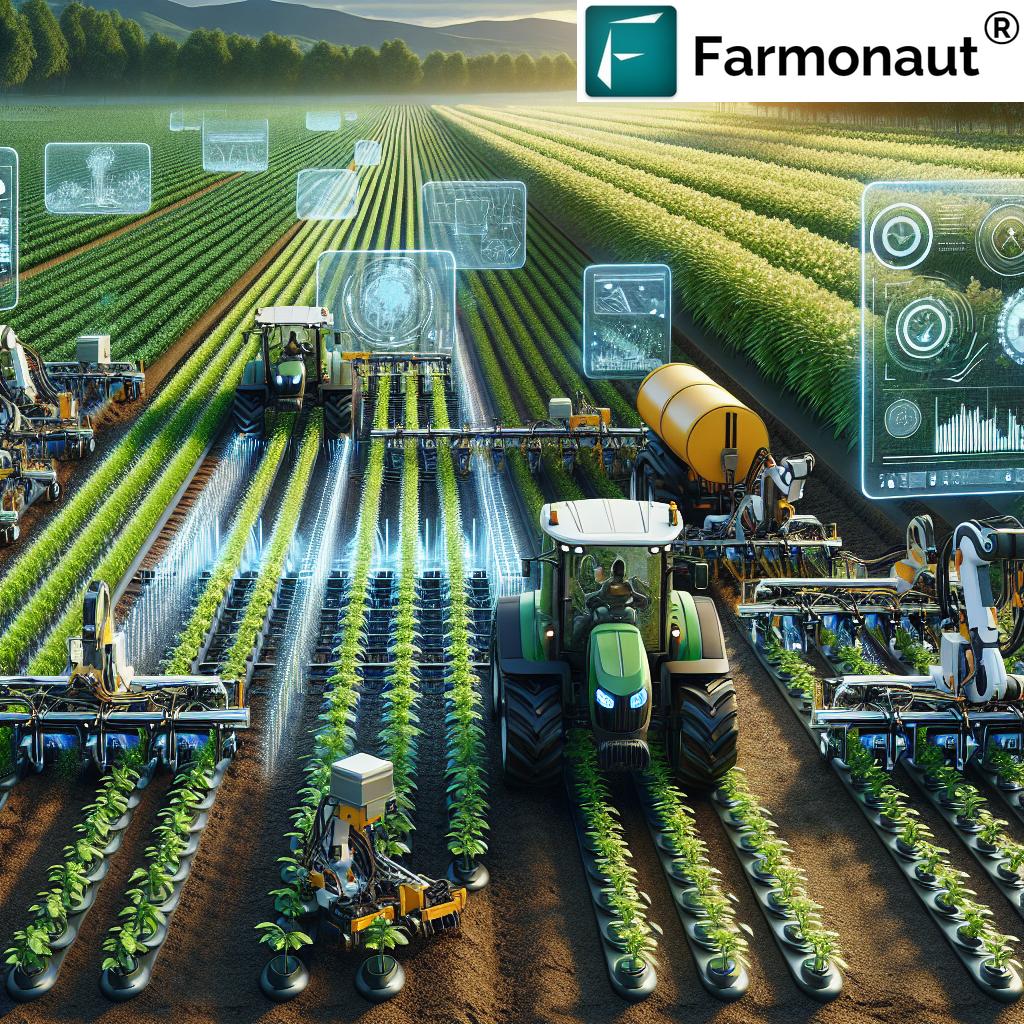
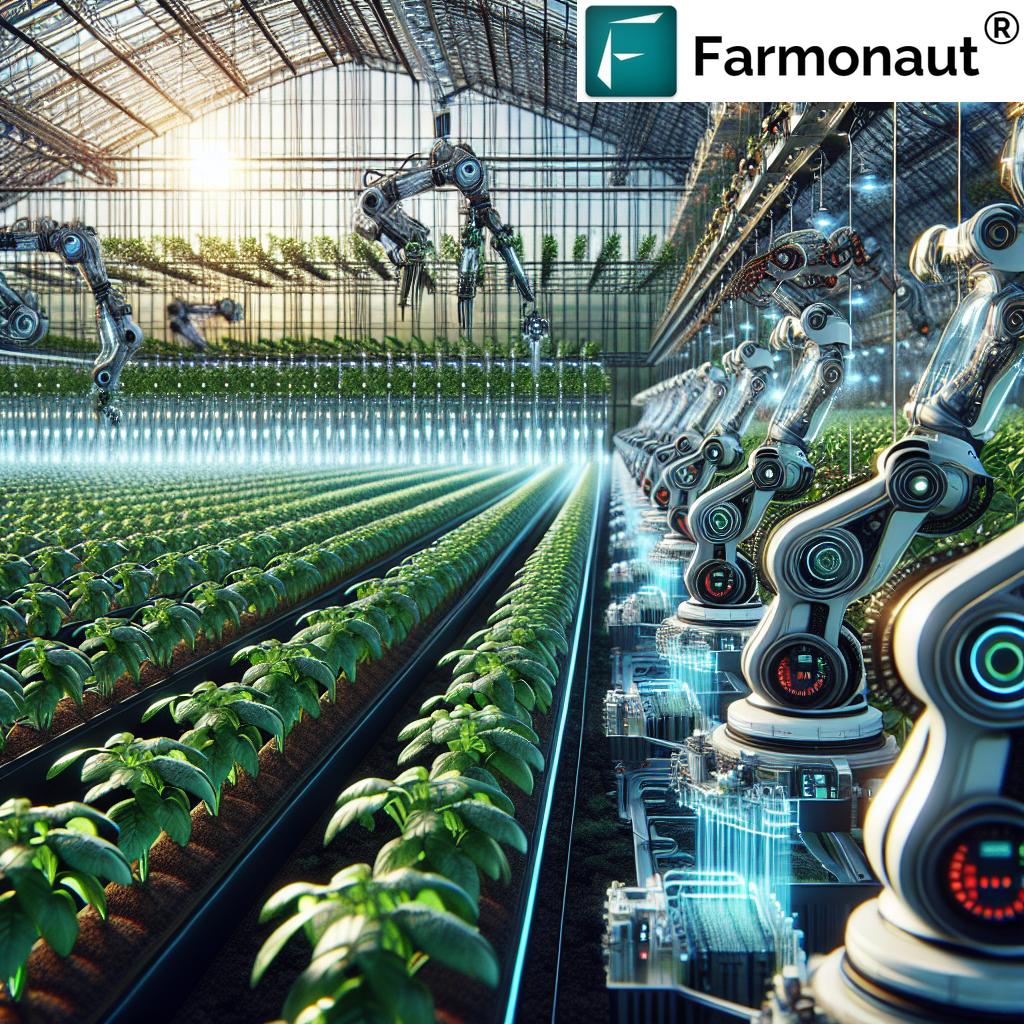
“Robots can plant seeds up to 10 times faster than traditional methods, revolutionizing large-scale farm operations.”
Introduction to Farm Automation
In the 21st century, farm automation—also referred to as “smart farming” or “precision agriculture”—has ignited a dramatic transformation in the global agricultural landscape. By integrating autonomous robots, advanced machines, drones, AI-driven management systems, sensors, and automated solutions into traditional farming practices, we are witnessing unprecedented gains in efficiency, productivity, and sustainability. Our fields have become high-tech hubs, where decisions are powered not merely by experience, but by robust data and actionable insights.
This sweeping transformation is not just about streamlining repetitive tasks; it is about reshaping how we address labor shortages, resource optimization, environmental challenges, and the need to feed a growing population while sustaining our natural resources. Using robotics in agriculture, automated irrigation systems, drones for crop monitoring, and a multitude of precision technologies, farmers are more empowered than ever before.



In this blog, we’ll explore the 10 most powerful innovations driving the future of farming—delving deep into their technology, real-world applications, and impact on efficiency, sustainability, and crop yield.
Key Technologies in Farm Automation
The core of farm automation lies in seamlessly integrating a suite of technologies and robotics designed to drive results and tackle persistent challenges in agriculture. Let’s break down these game-changing innovations, showing how each one helps us achieve precision agriculture and smarter farm management.
1. Autonomous Tractors and Machinery
Autonomous tractors and associated machinery are revolutionizing how we approach plowing, planting, spraying, and harvesting.
These advanced robots, equipped with GPS navigation, precision software, and robust field sensors, can move across large areas without human intervention.
By leveraging artificial intelligence and real-time data from sensors and satellite imagery, autonomous tractors can operate with unparalleled accuracy, reducing overlaps in field tasks, optimizing fuel and input usage, and increasing field coverage.
- Reduces labor costs and reliance on seasonal/manual workers
- Enables precise application of seeds, fertilizers, and sprays
- Improves resource allocation and operational consistency
- Contributes to sustainable farming practices by reducing environmental impact
2. Seeding and Weeding Robotics
Innovative robots designed for seeding and weeding are at the forefront of precision agriculture. These systems utilize cutting-edge AI and machine vision to identify specific crop rows, detect weeds, and ensure precise placement of seeds and herbicides. The ability to target weeds directly, rather than relying on broad-spectrum chemical spraying, is pivotal for reducing the use of pesticides and minimizing environmental concerns.
- AI-powered vision and robotics allow precise action where it’s needed
- Reduces costs and negative environmental impact
- Improves crop quality and overall food safety
- Learn more about smart farming innovations here

3. Automated Irrigation Systems
Automated irrigation systems, particularly those integrating subsurface drip irrigation (SDI), IoT sensors, and satellite data, have redefined water management on the farm. These systems monitor soil moisture in real time using in-field sensors and trigger water delivery only when and where it’s needed—eliminating both under- and over-watering.
- Supports sustainability by reducing water waste
- Enhances crop health and growth through optimal hydration
- Combats erratic weather patterns and seasonal unpredictability
- Can be managed remotely using platforms like the Farmonaut Agro Admin App for large-scale operations
- Read more on smart farm irrigation systems
4. Harvesting Robots
Robotic harvesting equipment leverages advanced sensors, cameras, and mechanized arms to identify ripe crops and gently pick produce with minimal damage—critical when dealing with delicate fruits and vegetables. Companies like Agrobot have pioneered AI-powered systems for real-time crop inspection, assessment of ripeness, and precise harvesting.
- Significantly reduces labor dependency during critical harvest periods
- Minimizes crop loss and mechanical damage
- Enables continuous (24/7) harvesting operations
- Boosts yield and produce quality
- Explore examples of robotic harvesting here
5. Drones and Aerial Imaging
Drones—also known as Unmanned Aerial Vehicles (UAVs)—are rapidly becoming essential tools for crop health monitoring, field inspection, pest detection, and even precision crop spraying. By capturing multispectral images with specialized cameras, drones create detailed maps of field conditions, crop stress, soil variability, and potential infestations. This actionable data enables farmers to target interventions, optimize input use, and maximize field productivity—a key element of true smart farming.
- Rapidly survey large areas, reducing the time required for manual inspection
- Support precise spraying of fertilizers and pesticides exactly where needed
- Aid in early disease or pest detection
- Feeds directly into advanced farm management dashboards like Farmonaut’s platform for centralized decision-making
- Dive deeper into drone applications in agriculture
6. Livestock Management Robots
Robotics in livestock management is rapidly gaining traction. Mobile robots, smart machinery, and automated systems now handle a spectrum of tasks—from feeding and milking to herding and health monitoring. These systems use IoT sensors, AI algorithms, and machine vision to detect signs of illness, monitor feeding patterns, or even automate the milking process—improving both efficiency and animal welfare.
- Automate repetitive or labor-intensive animal care practices
- Reduce stress in livestock by creating consistent, gentle routines
- Enable predictive health monitoring to prevent disease outbreaks
- Can be integrated with Farmonaut data platforms for holistic farm management
- Read more on livestock robots here
7. Monitoring and Inspection Robots
Mobile monitoring robots and aerial drones equipped with advanced sensors and machine vision are revolutionizing how we observe crops, field conditions, and environmental variables. These robots travel autonomously through farmland or across the sky, collecting real-time data on leaf health, soil moisture, disease symptoms, weather events, and more—reducing the need for manual field scouting.
- Enable micro-level, site-specific field management
- Support rapid issue detection for pests, disease, or nutrient gaps
- Feed directly into digital farm management systems for decision support
- Explore more about crop monitoring robots
8. Transportation Robots
Transportation robots have eliminated many of the logistical bottlenecks historically associated with moving crops, seedlings, and harvested produce throughout the farm and beyond. These autonomous machines are designed for internal logistics—either moving trays in greenhouses or hauling bulk yield from fields to storage.
- Speed up internal farm logistics
- Reduce errors and accidental damage to plants or produce
- Seamlessly integrate with digital resource management systems
- Key feature for modern commercial greenhouses and large field operations
- Discover more about transportation robotics
9. Sorting and Packing Robots
Sorting and packing robots, using machine vision and AI, can instantly scan and categorize produce based on size, color, quality, and ripeness—automating the packing process while maintaining high accuracy and efficiency.
- Dramatically reduces time from harvest to market
- Ensures consistent product quality and presentation
- Reduces human error and contamination risks
- Can be scaled for use in everything from small orchards to large distribution centers
- More on automated packing solutions
10. Robotic Greenhouse Systems
Indoor farming and greenhouse operations are increasingly adopting robotics to automate planting, watering, pruning, and harvesting. These systems maintain optimal environmental conditions for each crop by integrating sensors, climate controls, and automated labor—leading to higher, year-round yields.
- Maximizes output from limited space
- Enables true “vertical farming” with minimal manual input
- Mitigates weather and seasonal risks by maintaining consistent conditions
- Learn about robotic greenhouse advancements
Top 10 Farm Automation Innovations: Features, Benefits, and Impact
| Innovation Name | Primary Function | Estimated Efficiency Increase (%) | Sustainability Impact | Example Use Case |
|---|---|---|---|---|
| Autonomous Tractors & Machinery | Driverless field operations (plowing, planting, spraying) | 25–40% | High | Automated planting reduces overlaps, optimizes input use |
| Seeding & Weeding Robotics | Precision seed placement, targeted weed control | 15–30% | High | AI robots reduce pesticide usage in vegetable farming |
| Automated Irrigation Systems | Sensor-based, water-optimized irrigation | 20–40% | High | SDI systems in remote fields reduce water costs |
| Harvesting Robots | Robotic crop picking, sorting | 25–50% | Medium | AI fruit pickers for strawberries |
| Drones & Aerial Imaging | High-resolution field monitoring | 20–35% | High | Drones spot drought or pest issues pre-emptively |
| Livestock Management Robots | Automated feeding, milking, health checks | 30–40% | Medium | Robot milking parlors increase output per cow |
| Monitoring & Inspection Robots | 24/7 autonomous data collection | 10–25% | High | Mobile robots scout for leaf disease in greenhouses |
| Transportation Robots | Autonomous crop and plant movement | 15–30% | Medium | Robots move seedlings in nurseries efficiently |
| Sorting & Packing Robots | Automated grading, sorting, packing of produce | 25–40% | High | Vision robots grade apples by color and size |
| Robotic Greenhouse Systems | Automated indoor crop management | 30–55% | High | Robots seed, water, and harvest lettuce in hydroponic farms |
Farm Automation Extends to Forestry: Smart Technology in Forest Management
Automation is not confined to the open fields. Modern forestry is rapidly adopting autonomous, data-driven, and robotic solutions to maximize efficiency, safety, and sustainability. Here’s how advanced farm and forest management is evolving:
Key Applications:
- Autonomous Forestry Equipment: Driverless harvesters and forwarders perform tree felling, processing, and transportation—reducing the need for hazardous manual labor, and improving precision in timber extraction.
- Drones for Forest Monitoring: Drones and aerial imaging systems equipped with high-resolution cameras and LiDAR sensors monitor forest health, pest infestations, tree growth, and help assess storm or fire damage rapidly across vast expanses.
- Automated Planting Systems: Robotic planters and seeders ensure precise reforestation with individually planted seedlings at optimal spacing, increasing tree survival rates and promoting biodiversity.
- Fire Detection and Management: Real-time fire detection via ground sensors and drones enables quick alerts and response—critical for mitigation and protection of forest resources.
“Precision agriculture can reduce fertilizer use by up to 20%, optimizing resources and minimizing environmental impact.”
Benefits of Farm Automation & Smart Farming Solutions
The widespread adoption of farm automation and precision agriculture delivers substantial improvements for both farmers and the environment. Here’s a breakdown of the key benefits:
-
Increased Efficiency & Productivity:
– Automated machines and robots complete tasks faster and more consistently than manual labor, leading to higher output per hectare. -
Resource Optimization:
– Precision application of fertilizers, water, and pesticides reduces waste and lowers input costs, while protecting the environment. -
Labor Shortage Mitigation:
– As rural populations age or relocate, robotics and autonomous systems fill critical gaps, ensuring farm continuity without excessive overtime or cost spikes. -
Enhanced Crop Quality & Yield:
– Consistent monitoring and site-specific management produce healthier crops, fewer diseases, and higher average yields. -
Sustainability:
– From reduced chemical use to better soil and water conservation, these technologies promote sustainable agricultural practices. -
Data-Driven Decision Making:
– Real-time data empowers farmers to anticipate problems and seize opportunities, leading to more resilient business models.
Challenges and Considerations in Implementing Agricultural Automation Systems
Despite its potential, farm automation comes with its own set of challenges:
-
High Initial Investment:
– Advanced equipment can require substantial up-front spending. That’s why solutions like Farmonaut’s large-scale farm management tools offer scalable, subscription-based alternatives. -
Technical Expertise Required:
– Implementing and maintaining AI-driven systems and networks of connected devices demands training and ongoing digital literacy. -
Data Management Complexity:
– The vast quantities of data produced by sensors, drones, and satellites require robust platforms for analysis and actionable insight.
– Farmonaut’s crop health monitoring offers intuitive dashboards that democratize access to this information for all farmers. -
Job Displacement Concerns:
– As automation reduces dependency on manual labor, careful workforce planning and upskilling are essential for sustainable rural development. -
Connectivity & Infrastructure:
– Reliable internet, power supply, and digital infrastructure are core requirements for advanced agricultural automation systems, particularly in rural or remote areas.
Farmonaut: Advancing Accessible Precision Agriculture
As we’ve seen, farm automation and precision agriculture rely on comprehensive data, rapid monitoring, and integrated management systems. This is where Farmonaut stands out as a clear leader—transforming how farmers and agribusinesses apply advanced technologies without prohibitive costs or technical barriers.
Farmonaut’s Core Technologies and Solutions
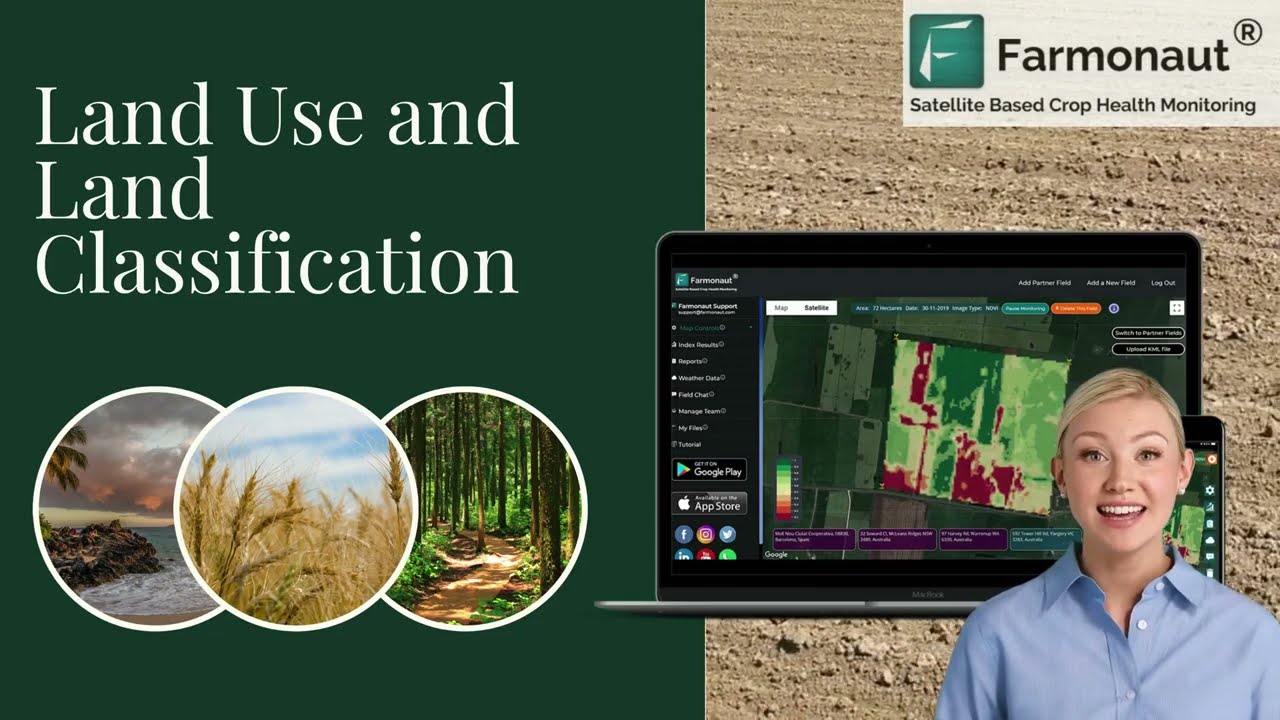
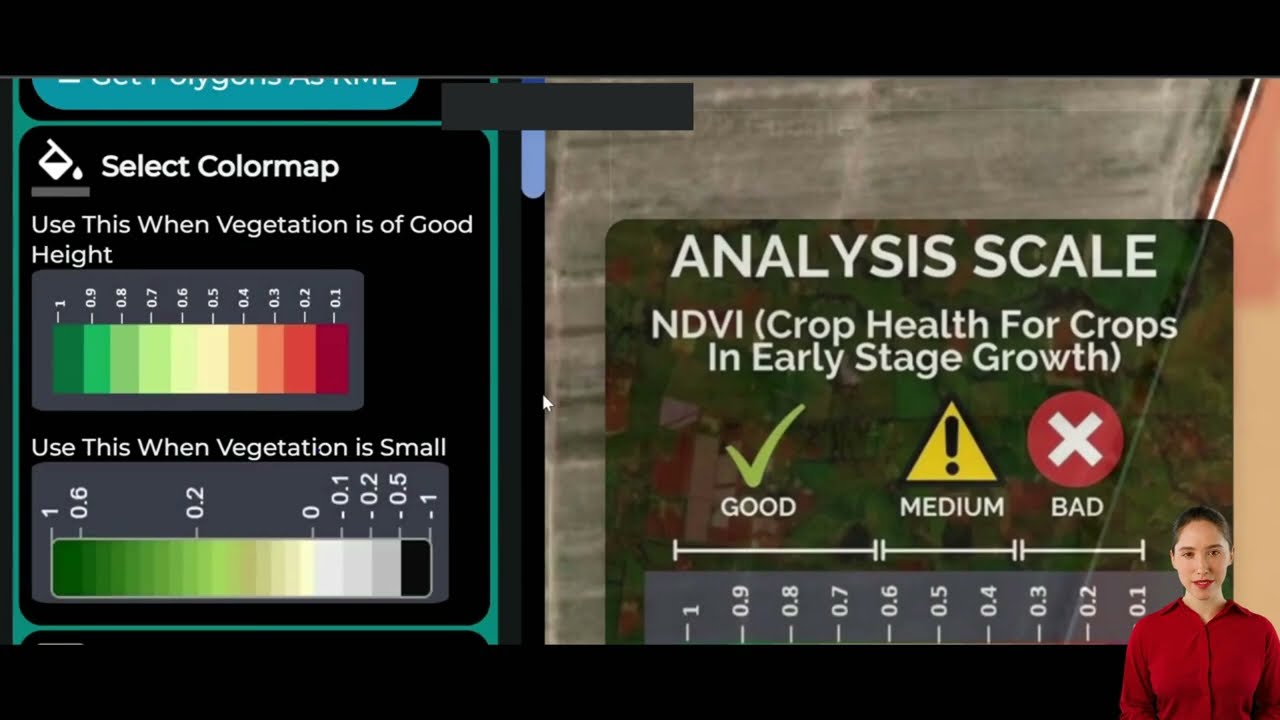
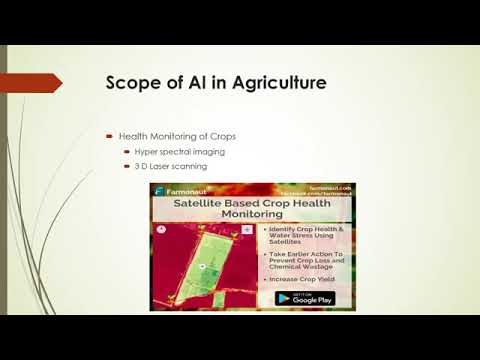
- Satellite-Based Crop Health Monitoring: Farmonaut utilizes multispectral satellite imaging to identify vegetation health, measure NDVI, track soil moisture, and detect early signs of crop stress, pest infestation, or water imbalance. This empowers farmers with data for truly informed decisions.
- Jeevn AI Advisory System: AI-powered, real-time crop advisory tailored to each farm, analyzing current and historical satellite data, local weather patterns, and agronomic best practices. This advice, delivered directly to farmers’ devices, maximizes productivity and efficiency.
- Blockchain-Based Traceability: With Farmonaut’s blockchain traceability tools, agrifood companies and farmers can assure transparent, verifiable product origins—fostering trust and ease in compliance with export or certification regulations.
- Fleet and Resource Management: Monitor, schedule, and optimize the use of all on-farm vehicles and machinery—ideal for large producers or those seeking efficient, cost-effective logistics.
- Carbon Footprinting and Sustainability: Farmonaut supports real-time emission tracking to monitor and reduce the carbon footprint of farm practices, aligning agricultural operations with regional and global environmental goals.
- Financial Access and Verification: Through satellite-based crop verification, banks and insurance companies can now confidently underwrite loans or insurance, accelerating financial access for small and medium-sized farmers.
Who Benefits from Farmonaut’s Advanced Farm Management?
- Individual Farmers: Affordable, app-based farm management and precision agriculture insights. Monitor crop health, optimize resource use, and receive tailored advice—all from a phone or browser.
- Agribusinesses: Satellite and AI-powered management tools for large-scale plantation monitoring, fleet management, and logistics.
- Government Agencies & NGOs: Large-area satellite surveillance for crop estimation, subsidy distribution, and monitoring sustainability.
- Financial Institutions: Satellite-verified loan approvals and insurance claim validation, lowering fraud and increasing risk management efficiency.
- Corporate Clients (Textile, Food, etc.): Reliable, blockchain-based product traceability for transparent, trustworthy supply chains.
No matter the size, location, or type of operation, Farmonaut’s technology delivers impactful results—democratizing smart farming solutions for the world.
For forestry professionals, Farmonaut also offers a forest plantation and advisory solution, providing real-time monitoring, advanced growth analysis, and precise risk management for plantations and reforestation efforts.
Farmonaut Subscription Plans
Farmonaut’s platform is accessible via Android, iOS, web app, and APIs, offering tiered subscription plans for farms of all sizes. This enables scalable, cost-effective adoption of advanced farm management and precision agriculture technologies.
Future Outlook: What’s Next for Robotics & Precision Agriculture?
The potential for farm automation continues to accelerate with new developments in AI, robotics, drone technology, remote sensing, and data science. What can we expect in the near future?
- Even Smarter Robots: Advanced vision, learning algorithms, and sensor fusion will allow robots to identify and adapt to issues in real-time—in fields, orchards, livestock, and forests alike.
- Autonomous Drone Networks: Swarm robotics for joint monitoring, rapid crop spraying, and coordinated large-scale interventions.
- Blockchain for End-to-End Traceability: Universal adoption of secure traceability will guarantee product origin and safety for global supply chains.
- AI-Driven Pest & Disease Management: Near-instant detection and targeted intervention reduce total pesticide use while maintaining high yields.
- Climate-Smart Farm Planning: Carbon tracking, water usage prediction, and integrated environmental analytics—a focus for both government compliance and sustainability-minded producers.
- Full Integration with Smart Cities: Agriculture’s data flows will inform regional food planning, logistics, and urban resilience.
Frequently Asked Questions (FAQ) on Farm Automation & Technology Solutions
What is farm automation?
Farm automation, also called smart farming or precision agriculture, involves using advanced technologies—robots, sensors, drones, and AI—to manage and optimize farm operations. These solutions enhance efficiency, boost yields, and promote sustainability by reducing labor and resource wastage.
Can automation help smallholder farmers?
Absolutely! Emerging subscription platforms like Farmonaut offer affordable, scalable solutions for farms of any size—delivering professional-grade insights through user-friendly apps and minimal hardware requirements.
How can farm automation improve environmental sustainability?
Technologies such as automated irrigation systems, seeding/weed robots, drone-based monitoring, and carbon footprint tracking all help reduce overuse of inputs, conserve water, and minimize pollution or greenhouse gas emissions.
How secure is Farmonaut’s blockchain-based traceability?
Farmonaut’s blockchain ensures every transaction, step, and product detail is cryptographically recorded, supporting full transparency for supply chains and protecting against fraud.
Is there technical support or training for these farm management systems?
Yes! Modern digital platforms, including Farmonaut, provide tutorials, support documentation, and easy access customer help via web, mobile, and online knowledge bases.
Can these technologies be used for forestry management?
Yes, farm automation solutions are increasingly adapted for forestry—whether for tree planting, fire risk monitoring, or sustainable timber management.
Conclusion: The Future is Here—Join the Farm Automation Revolution
Farm automation is rapidly reshaping traditional agriculture and forestry with its combination of autonomous robots, drones, precision management systems, and AI-driven insights. By embracing these advanced, data-enabled solutions, we’re building the foundation for a more efficient, productive, and sustainable future—for farmers, agribusinesses, and the planet.
As the technology matures and becomes more accessible thanks to companies like Farmonaut, the benefits of precision agriculture, real-time monitoring, and resource optimization will be felt at every scale—from individual farmers and small cooperatives to large agribusiness and government organizations. Together, we can address the toughest challenges of modern farming and thrive in an increasingly data-driven world.
Ready to start your journey in smart, sustainable farm management? Explore the Farmonaut app and platform today—or visit the large-scale farm management page for plantation-scale solutions.
Let’s cultivate a future where technology and sustainability grow side by side!
Discussion
Questions, corrections or field experience? Share them below. First-time comments are reviewed before they appear, and your email is never published.
No comments yet. Be the first to add a question or your experience.

 LACOS Geoinformation
 Pulsar Supernova
 Magrifly
 LatConnect 60
 Disease Free Life
 WebsEdge
 Blickwinkel
 Agricultural Credit Policy Council
 MCSOD
MCSOD Marei Nursery
 eKGIS
eKGIS Mostas Tech
 Andex
Andex FCF India
 Unifrutti Gulf
 Deluxe Conseil
 WICO
WICO
